Table of Contents
Every crafts person, DIY enthusiast, and professional contractor knows that sinking feeling—watching expensive material spin away as scrap because your circle cutter slipped, wobbled, or simply couldn’t deliver the clean, precise cut you needed. That perfectly good sheet of leather, acrylic, wood, or fabric transforms from a valuable resource into expensive trash in seconds. The frustration multiplies when you’re working on a tight deadline or with irreplaceable materials. But here’s the truth: material waste isn’t an inevitable cost of doing business. It’s a solvable problem that starts with understanding what separates mediocre cutting tools from precision instruments that pay for themselves through saved materials alone.
This year, the circle cutter market has evolved dramatically, introducing smarter engineering, superior materials, and innovative features designed specifically to eliminate waste. Whether you’re cutting gaskets in an industrial setting, creating leather goods in a boutique studio, or tackling home renovation projects, the right tool doesn’t just improve your results—it fundamentally changes your economics. Let’s explore everything you need to know to make an informed decision that will stop material waste in its tracks and transform your workflow from frustrating to flawless.
Top 10 Circle Cutters For Materials
Detailed Product Reviews
1. NT Cutter Heavy-Duty Circle Cutter, 1-3/16 Inches 6-5/16 Inches Diameter, 1 Cutter (C-2500P)
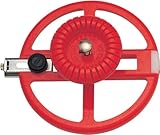
Overview: The NT Cutter C-2500P is a professional-grade heavy-duty circle cutter engineered for serious crafters and tradespeople. This Japanese-made tool tackles materials far beyond standard paper, cutting circles from 1-3/16 to 6-5/16 inches in diameter. Unlike hobbyist alternatives, it’s built to slice through veneer, ceiling tiles, leather, rubber, and thin floor mats with precision. The robust construction and specialized blade system make it ideal for both workshop and studio environments where durability is paramount.
What Makes It Stand Out: Its heavy-duty capability is the defining feature. The C-2500P accommodates BC-400P single-edge or BC-1P dual-edge blades, giving users flexibility for different materials. The integrated storage compartment holds two spare blades, ensuring you’re never caught without replacements. The cutter’s adjustable mechanism locks securely at any diameter within its range, offering infinite increments rather than preset sizes. This industrial approach to a crafting tool sets it apart from consumer-grade options.
Value for Money: While priced higher than craft store alternatives, the NT Cutter delivers exceptional value for professionals. Its ability to cut materials that would destroy cheaper cutters means fewer tool replacements. The blade compatibility and included refills reduce long-term costs. For DIYers working on home renovation projects involving ceiling tiles or floor mats, this single tool eliminates the need for multiple specialized cutters.
Strengths and Weaknesses: Strengths include unparalleled material versatility, robust construction, secure blade storage, and professional-grade accuracy. The infinite adjustment provides complete creative freedom. Weaknesses are its higher price point, steeper learning curve for beginners, and limited maximum diameter compared to some craft-specific models. The industrial aesthetic may not appeal to casual crafters.
Bottom Line: For serious makers and professionals needing to cut circles in tough materials, the NT Cutter C-2500P is an indispensable investment. Casual paper crafters should look elsewhere, but for those requiring industrial performance, it’s worth every penny.
2. Fiskars Circle Cutter with 3 Replacement Blades - 1" to 8 Cut Length - Arts and Crafts Paper Cutter - Clear/Orange

Overview: The Fiskars Circle Cutter is a crafting mainstay designed specifically for paper-based projects. This tool creates circles from 1 to 8 inches in diameter, making it perfect for scrapbooking, card making, and stationary crafts. The clear acrylic base provides excellent visibility, while the signature orange accents ensure it stands out in your craft drawer. Built by a brand synonymous with quality cutting tools, it’s engineered for repeat use in creative environments.
What Makes It Stand Out: The clear base with needlepoint centering is a game-changer for accuracy, letting you see exactly where you’re cutting. The gripper foot stabilizes the tool on your material, preventing the frustrating slippage that plagues lesser cutters. Unlike models with preset increments, this offers smooth, continuous adjustment across its full range. Fiskars includes three replacement blades, a generous addition that extends the tool’s lifespan significantly. The lightweight design makes it portable for crops and classes.
Value for Money: Positioned in the mid-range price bracket, this cutter offers excellent value for dedicated crafters. The three included blades alone represent substantial savings. While cheaper generic options exist, Fiskars’ reputation for durability means this tool will outlast budget alternatives. For scrapbookers who cut circles weekly, the cost per use becomes negligible. It’s an affordable upgrade from manual compass cutters that often tear paper.
Strengths and Weaknesses: Strengths include superior visibility, anti-slip design, generous blade supply, smooth operation, and brand reliability. The continuous sizing is versatile for various projects. Weaknesses include limitation to lightweight materials only, no built-in blade storage, and the needlepoint can leave a small hole in your work surface. Maximum 8-inch diameter may be restrictive for some projects.
Bottom Line: The Fiskars Circle Cutter is the go-to choice for paper crafters seeking reliability and precision. Its thoughtful design features justify the moderate investment, making it a smart addition to any serious crafter’s toolkit.
3. Mr. Pen- Compass Circle Cutter, 6.25In, for Paper Crafts and Fabric, Circular Compass Tool
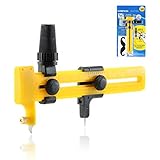
Overview: The Mr. Pen Compass Circle Cutter offers a budget-friendly solution for cutting circles up to 9 inches in diameter. This tool bridges the gap between traditional compass-style cutters and modern rotary designs, targeting home users, students, and teachers. Designed for paper, photos, cardstock, and fabric, it prioritizes safety and simplicity. The fixed grip mechanism aims to provide stability during cutting, making it accessible for users of all skill levels.
What Makes It Stand Out: Safety features are the highlight here. The built-in blade cover and plastic pivot spike guard protect fingers when the tool is stored, making it ideal for classroom settings or homes with children. The fixed grip design reduces hand fatigue during extended use and helps maintain consistent pressure. Its maximum 9-inch diameter exceeds many competitors in this price range, offering more creative flexibility for larger projects. The tool’s simplicity means virtually no learning curve.
Value for Money: This is one of the most affordable functional circle cutters available. For students, teachers, or occasional crafters, it provides essential capabilities without financial strain. While it lacks the refinement of premium brands, it delivers acceptable performance for basic projects. The ability to cut fabric expands its utility beyond paper crafts. Replacement blades are inexpensive, though not included. For budget-conscious buyers, it’s a practical entry point into circle cutting.
Strengths and Weaknesses: Strengths include excellent safety features, budget price, large 9-inch capacity, simple operation, and fabric-cutting capability. The fixed grip enhances control. Weaknesses include less precise adjustments, potential for blade dulling quickly on heavy cardstock, and a less ergonomic design than premium models. Build quality feels plasticky and may not withstand heavy daily use. No included spare blades.
Bottom Line: The Mr. Pen cutter is perfect for beginners, students, and casual crafters prioritizing safety and affordability over professional finish. For occasional use and light materials, it’s a sensible purchase that gets the job done.
4. 1 Pcs Circle Cutter,Circle Cutters For Crafts,Circle Paper Cutter,Circle Cutter Paper,Round Paper Cutter,Multi Purpose With Bottom Blade Guard, Easy Operation, Smooth Cutting
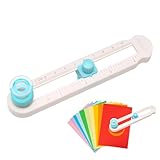
Overview: This unbranded multi-purpose circle cutter delivers impressive versatility with a diameter range from 2cm to 20cm (approximately 0.8 to 7.9 inches). The dual-scale markings and 360-degree manual rotation design cater to crafters needing precise, repeatable circles. Featuring a bottom blade guard for safety and an adjustable slider for concentric circles, this tool aims to be the Swiss Army knife of circle cutters for paper arts. Its generic branding keeps costs low while offering features found in more expensive models.
What Makes It Stand Out: The ability to cut concentric circles by adjusting the slider twice is a unique feature rarely seen in this price tier. The dual metric/imperial scales eliminate conversion guesswork for international users or pattern work. The bottom blade guard is a thoughtful safety addition that protects fingers and surfaces. Its 20cm maximum diameter handles most craft projects, while the 2cm minimum is smaller than many competitors. The removable cutter head simplifies blade replacement and maintenance.
Value for Money: As a generic option, this cutter offers exceptional bang for your buck. It undercuts branded alternatives significantly while providing comparable functionality. The concentric circle capability adds value for specialized projects like mandalas or clock faces. However, build quality inconsistencies are a risk with unbranded tools. For hobbyists experimenting with circle cutting or needing a backup tool, it’s a low-risk investment. Professional users may find longevity concerns outweigh the savings.
Strengths and Weaknesses: Strengths include concentric circle function, dual measurement scales, safety guard, wide diameter range, and budget price. The removable head is convenient. Weaknesses include questionable long-term durability, potentially imprecise adjustments, unknown blade quality, and lack of brand support. No included spare blades. The generic nature means quality control may vary between units.
Bottom Line: This versatile cutter is ideal for experimental crafters and those on tight budgets. Its unique features make it worth considering, but buy with realistic expectations about longevity. Perfect as a secondary tool or for occasional projects.
5. Oythiem Circle Cutter Tool for Paper Crafts - Rotary Cutter Round Cutting Knife for Scrapbooking, Card Making, Art And Diy Crafts, Fits Circles with A Radius Between 0.6"-4"

Overview: The Oythiem Circle Cutter positions itself as a premium gift-worthy tool for paper craft enthusiasts. With a radius range of 0.6 to 4 inches (1.2 to 8 inches diameter), it targets scrapbookers, card makers, and DIY artists. The ergonomic design prioritizes comfort during repetitive use, while the rotary cutting action promises smooth, clean edges. Packaged attractively, it’s marketed as an ideal holiday gift for creative individuals. This tool focuses on user experience and presentation.
What Makes It Stand Out: The ergonomic rocker-style handle distinguishes it from traditional knob-turning designs, reducing wrist strain during extended crafting sessions. Its gift-ready packaging makes it unique among utilitarian cutters, appealing to gift-givers. The brand emphasizes the cutting experience with smooth rotation and comfortable grip. While it handles standard papers, the marketing suggests versatility across photo paper, composite paper, and kraft paper. The ability to purchase spare blades separately indicates planned longevity.
Value for Money: Positioned as a mid-to-premium product, the Oythiem cutter justifies its price through ergonomic design and presentation rather than raw cutting power. The gift packaging adds perceived value, though serious crafters may prioritize function over form. For self-purchase, comparable performance can be found at lower prices. However, as a gift, it’s thoughtfully presented and ready to impress. The separate blade purchase requirement is a hidden cost to consider.
Strengths and Weaknesses: Strengths include ergonomic comfort, attractive gift packaging, smooth cutting action, and clear size adjustment mechanism. The design is user-friendly for beginners. Weaknesses include no included spare blades, higher price for the features offered, limited material capability (paper only), and marketing-focused branding that may not translate to professional durability. Maximum 8-inch diameter is moderate.
Bottom Line: The Oythiem Circle Cutter shines as a thoughtful gift for crafters who value comfort and aesthetics. For personal use, consider whether ergonomic benefits outweigh the premium price. It’s a solid choice for scrapbookers prioritizing user experience.
6. NT Cutter Aluminum Die-Cast Body Heavy-Duty Circle Cutter, 1-3/16 Inches 10-1/4 Inches Diameter, 1 Cutter (C-3000GP)

Overview: The NT Cutter C-3000GP is a robust, professional-grade circle cutter engineered for demanding applications. Its aluminum die-cast body provides exceptional stability when cutting materials from 1.18 to 10.23 inches in diameter. Designed for precision work on thin, dense materials, this tool delivers workshop-quality results for serious crafters and professionals who require repeatable accuracy.
What Makes It Stand Out: This cutter’s heavy-duty construction distinguishes it from lighter alternatives. The aluminum body minimizes flex during operation, ensuring perfectly round cuts even in challenging materials like veneer and leather up to 2mm thick. The inclusion of two BC-400P single-edge blades plus compatibility with optional double-edged BC-1P blades provides exceptional versatility for different material densities.
Value for Money: While priced higher than hobby-grade cutters, the C-3000GP justifies its cost through durability and capability. It replaces multiple specialized tools for cutting leather, rubber, acetates, and cardboard with professional results. The die-cast construction ensures years of reliable service, making it more economical than replacing plastic cutters that break under stress.
Strengths and Weaknesses: Strengths include rock-solid stability, impressive 10.23-inch maximum diameter, and ability to handle dense materials. The precision blade adjustment system allows micro-fine tuning. Weaknesses: steep learning curve for beginners, limited to relatively thin materials (2mm max), and the need to purchase replacement blades specifically from NT Cutter.
Bottom Line: The C-3000GP is an investment piece for serious makers. If you regularly cut circles in dense materials and demand precision, this heavy-duty cutter delivers professional results that cheaper alternatives cannot match. Hobbyists with occasional needs may find it overkill.
7. Fireboomoon 12 PCS Hole Hollow Punch Cutter Set with Storage Case,Stainless Steel Round Circle Ring Clay Cutters Ceramics Dotting Baking Indentation Mold Tools for Polymer Clay Pottery Handmade Craft
 Pottery Handmade Craft](https://m.media-amazon.com/images/I/41LRom1ZPYL._SL160_.jpg)
Overview: The Fireboomoon 12-piece hollow punch set offers a comprehensive solution for creating precise circular cutouts in soft materials. Ranging from 3mm to 32mm, these stainless steel cutters excel in pottery, polymer clay, and craft applications. The included storage case keeps this versatile kit organized and ready for immediate use across numerous creative projects.
What Makes It Stand Out: This set’s exceptional size range covers virtually every common craft need, from tiny detail work to larger focal elements. The stainless steel construction resists deformation and corrosion, maintaining sharp edges through repeated use. Unlike single-size cutters, this kit eliminates the need to purchase individual punches, providing instant adaptability for evolving project requirements.
Value for Money: With twelve professional-grade cutters at a budget-friendly price point, this set delivers outstanding value. Comparable individual punches often cost more than this entire collection. The durable stainless steel construction ensures longevity, while the storage case prevents loss and damage. For clay artists and paper crafters, it replaces numerous individual tools at a fraction of the cost.
Strengths and Weaknesses: Strengths include comprehensive size variety, durable stainless steel build, food-safe material for baking applications, and excellent organization. The cutters produce clean edges in soft materials. Weaknesses: limited to relatively thin, soft materials; requires hammering or pressing force; not suitable for dense materials like cardboard or leather; sizes are fixed, not adjustable.
Bottom Line: This punch set is essential for polymer clay artists, potters, and paper crafters. The variety, quality, and value make it a no-brainer for anyone working with soft materials. Don’t expect it to cut dense materials—use it for its intended purpose and you’ll be delighted.
8. NT Cutter Circle Cutter, Leaves no pin trace, 3/4" to 6-3/4" Diameter (iC-1500P)

Overview: The NT Cutter iC-1500P is a specialized circle cutter designed for precision work on delicate materials. Its innovative pin-less design leaves no center mark, making it ideal for finished artwork and presentations. Capable of cutting circles from 3/4-inch to 6-3/4-inch diameter, this tool serves graphic artists and model makers who demand flawless results on thin substrates.
What Makes It Stand Out: The revolutionary no-pin-trace design eliminates the central puncture common to most circle cutters, preserving the integrity of your finished piece. Six included BDA-200P blades ensure you’re equipped for extended projects, with a built-in storage compartment preventing loss. The metric measurement system provides precise sizing for technical applications.
Value for Money: This mid-priced cutter offers excellent value for artists working with delicate materials. The pin-less feature alone justifies the cost by eliminating material waste and preserving artwork quality. While limited to 0.5mm thickness, its specialization means you get professional-grade performance where it matters. Replacement blades are reasonably priced and readily available.
Strengths and Weaknesses: Strengths: leaves no center mark, generous blade supply, compact design, and precise metric measurements. It’s perfect for acetates, thin paper, and presentation materials. Weaknesses: extremely limited material thickness (0.5mm), steep learning curve, not suitable for dense or fibrous materials, and smaller maximum diameter than competitors.
Bottom Line: The iC-1500P excels at its specific purpose: cutting perfect circles in thin materials without center damage. Graphic designers and architects will appreciate the clean results. However, if you need versatility across material types, consider a more robust alternative. Practice is essential for mastery.
9. MyLifeUNIT Circle Cutter, Circular Rotary Cutter for Paper Crafts Scrapbooking (Included 6 Blades), Cutting Diameter 4 in to 12.6 in

Overview: The MyLifeUNIT Circle Cutter is a rotary-style cutter engineered specifically for paper crafts and scrapbooking applications. With an adjustable cutting range from 4 to 12.6 inches, it handles common paper sizes with ease. The package includes six carbon steel blades and features a comfortable plastic handle with an inch-based guide ruler for straightforward operation.
What Makes It Stand Out: This cutter’s generous 12.6-inch maximum diameter accommodates large-format paper projects that many competitors cannot handle. The integrated blade storage system keeps five replacement blades conveniently accessible, reducing workflow interruptions. Its rotary action produces exceptionally clean edges on paper, preventing the tearing common to blade-style cutters.
Value for Money: Offering six blades and a wide cutting range at a competitive price point, this cutter presents solid value for paper crafters. The carbon steel blades maintain sharpness through numerous cuts, and the simple design minimizes mechanical failure points. While not suitable for dense materials, its paper-specific optimization means you get excellent performance for your investment.
Strengths and Weaknesses: Strengths: large cutting diameter, comfortable grip, ample blade supply, clean rotary cuts, and clear inch measurements. It’s lightweight and easy to maneuver. Weaknesses: cannot cut circles under 4 inches, limited to paper under 0.05-inch thickness, plastic construction feels less durable, and requires a cutting board for best results. Not for fabric or dense materials.
Bottom Line: For scrapbookers and paper artists needing circles from 4 to 12.6 inches, this cutter is a reliable, budget-friendly choice. Its limitations are clearly defined, so use it within its paper-craft niche and you’ll be satisfied. Those needing smaller circles or material versatility should look elsewhere.
10. OLFA 18mm Rotary Circle Cutter (CMP-3) - Adjustable Rotary Blade Cutter w/Ratchet Handle Cuts Perfect Circles for Crafts, Sewing, Quilting, Replacement Blade: RB18-2

Overview: The OLFA CMP-3 Rotary Circle Cutter brings professional-grade engineering to the craft market with its innovative ratchet handle design. Pre-loaded with an ultra-sharp 18mm stainless steel rotary blade, this tool cuts circles from 1.5 to 8.34 inches in a single step. OLFA’s reputation for cutting excellence is evident in this versatile tool for fabric, paper, and felt applications.
What Makes It Stand Out: The ratchet dial handle revolutionizes the cutting experience by reducing wrist fatigue and eliminating the awkward twisting motion common to other cutters. This ergonomic innovation allows for extended crafting sessions without strain. The quick-change blade system and built-in safety features demonstrate thoughtful design, while the 18mm rotary blade delivers superior sharpness and edge retention compared to standard blades.
Value for Money: As a premium-priced cutter, the CMP-3 justifies its cost through ergonomic benefits and safety features that cheaper alternatives lack. The durable construction and OLFA’s blade quality ensure long-term reliability. For quilters, sewists, and serious crafters who spend hours cutting, the wrist-saving design alone warrants the investment.
Strengths and Weaknesses: Strengths: ergonomic ratchet handle, ultra-sharp 18mm rotary blade, excellent safety features, quick blade changes, and versatile material handling. It excels on fabric and paper. Weaknesses: premium price point, limited to 8.34-inch maximum diameter, and replacement blades are brand-specific. The learning curve for the ratchet mechanism may briefly slow new users.
Bottom Line: The OLFA CMP-3 is the premium choice for crafters prioritizing comfort and safety. Quilters and sewists will particularly appreciate the ergonomic design. While expensive, it’s worth every penny for those with repetitive cutting tasks. Casual users may find more basic models sufficient for occasional needs.
The Hidden Cost of Material Waste in Circle Cutting
Material waste represents more than just the obvious cost of ruined supplies. When your circle cutter fails, you’re paying for invisible expenses that compound over time. First, there’s the direct material cost—every circle that doesn’t meet specifications represents money literally thrown away. For professionals working with premium materials like marine-grade acrylic, aerospace composites, or designer fabrics, a single failed cut can cost more than the tool itself.
Then consider the hidden labor costs. Each miscut requires repositioning, remarking, and recutting—doubling or tripling your time investment. This productivity drain cascades through your entire project timeline. Add the psychological toll of constant rework: frustration, reduced confidence, and creative fatigue. For businesses, this translates to missed deadlines, unhappy clients, and damaged reputation. Understanding these cumulative costs clarifies why investing in a precision circle cutter isn’t an expense—it’s a strategic decision that delivers measurable ROI through waste reduction alone.
What Exactly Is a Circle Cutter? Understanding the Basics
A circle cutter is a specialized cutting tool designed to create perfect circular cuts across various materials through a rotating blade or scoring mechanism. Unlike freehand cutting with scissors or knives, these tools use a fixed center point and adjustable radius to ensure geometric precision. The fundamental principle remains consistent: a pivot pin establishes the center, while an adjustable arm guides the cutting implement through a 360-degree rotation.
Modern circle cutters have evolved far beyond simple compass-style designs. Today’s tools incorporate advanced bearings, micrometer adjustments, quick-change blade systems, and material-specific cutting heads. Some models handle everything from delicate tissue paper to quarter-inch steel plate, while others specialize in specific applications like gasket fabrication, sign-making, or textile production. Understanding these distinctions helps you identify which design philosophy aligns with your actual needs rather than marketing hype.
Manual vs. Electric: Which Circle Cutter Type Suits Your Needs?
The choice between manual and electric circle cutters represents the first major decision point in your selection process. Manual cutters, operated by hand pressure and rotation, excel in portability, affordability, and simplicity. They require no power source, making them ideal for field work, craft fairs, or job sites with limited electrical access. The tactile feedback allows experienced users to adjust pressure mid-cut, crucial for materials with varying density or thickness.
Electric circle cutters, powered by motors and often featuring CNC-like precision, dominate high-volume production environments. They deliver consistent results regardless of operator fatigue and can handle tougher materials with less physical effort. However, they demand higher initial investment, require maintenance, and may lack the finesse needed for ultra-delicate materials. Your decision should hinge on volume requirements, material types, workspace constraints, and whether you prioritize speed over versatility. Many professionals maintain both types—manual for custom, one-off projects and electric for repetitive production runs.
Key Features That Define a Premium Circle Cutter
Identifying a truly superior circle cutter requires looking beyond glossy marketing and focusing on engineering fundamentals. The difference between a tool that wastes materials and one that conserves them lies in specific features that work synergistically. These elements determine not just cutting quality, but also user experience, longevity, and ultimately, your bottom line.
Cutting Precision and Accuracy Metrics
Precision in circle cutting isn’t subjective—it’s measurable. Look for tools with minimal runout, which is the deviation from perfect circular motion. Premium models achieve runout under 0.1mm through precision bearings and rigid construction. The adjustment mechanism should offer fine increments, preferably with vernier scales or micrometer-style dials that lock securely without slippage. Check for concentricity guarantees between the pivot point and cutting path; even slight eccentricity creates oval shapes instead of circles. Some advanced models feature laser guides or LED alignment systems that project the cutting path onto your material, eliminating guesswork and reducing layout errors that lead to waste.
Material Compatibility and Versatility
The best circle cutters demonstrate versatility across multiple material types without requiring complete reconfiguration. Examine the maximum cutting depth and the range of materials the manufacturer specifies. A truly versatile tool handles paper, cardstock, thin wood, acrylic, leather, rubber, and light-gauge metal with simple blade changes. Look for models offering interchangeable cutting heads: rotary blades for fabrics, scoring wheels for acrylic, and hardened steel blades for metals. The ability to adjust cutting pressure without changing the entire setup saves time and reduces setup waste. Consider whether the tool can cut from the material edge or requires center access—this determines whether you can salvage partial sheets or must work only with full, uncut material.
Blade Quality and Longevity
The blade represents the heart of any cutting tool, yet it’s often overlooked until failure occurs. Premium circle cutters use blades made from high-carbon steel, tungsten carbide, or ceramic composites. Carbide blades maintain sharpness 20-30 times longer than standard steel, crucial for abrasive materials like fiberglass or carbon fiber. Examine the blade mounting system—quick-release mechanisms that maintain perfect alignment after changes reduce setup time and calibration waste. Some systems feature self-sharpening mechanisms or reversible blades that double lifespan. Consider blade availability and cost; proprietary blade systems may offer superior performance but create long-term expense and potential supply chain issues. The best designs accept standard craft blades or industrial inserts, giving you flexibility and cost control.
Ergonomics and User Comfort
Fatigue directly correlates with mistakes and material waste. An ergonomically designed circle cutter reduces hand strain during repetitive cuts, maintaining consistent pressure and control. Look for contoured grips that distribute force evenly across your palm, reducing pressure points. The operating force required should match your typical volume—heavy-duty models with ball-bearing assists cut smoothly without demanding excessive hand strength. Weight matters too; a tool that’s too light may lack stability, while excessive weight causes fatigue. Balance is key—the center of gravity should sit directly over the pivot point. Some professional models feature auxiliary handles or stabilizing bars for two-handed operation, essential when cutting dense materials that require significant downward pressure.
Adjustability and Size Range
The practical value of a circle cutter depends heavily on its size range and how easily you can switch between diameters. Premium tools offer seamless adjustment from tiny 10mm circles to 300mm+ diameters without requiring disassembly. Look for positive locking mechanisms that prevent radius creep during cutting—a common cause of miscuts and waste. The measurement scale should be clearly visible, etched rather than printed to resist wear, and positioned to avoid parallax errors. Some advanced models include digital readouts or incremental encoders that display exact diameter settings. Consider whether the tool can cut partial circles or arcs; this feature dramatically expands design possibilities and allows you to nest cuts efficiently, maximizing material usage and minimizing scrap.
Common Material Wasting Pitfalls and How to Avoid Them
Even the best circle cutter can’t compensate for poor technique or setup. The most common waste generator is inadequate material securing. When material shifts even fractionally during cutting, the entire circle becomes scrap. Always use appropriate backing boards and non-slip mats. For delicate materials, consider low-tack adhesive sprays or masking tape to prevent movement without leaving residue.
Another major pitfall is incorrect blade depth. A blade that protrudes too far tears material edges and creates ragged cuts that require excessive trimming. Too shallow, and you must make multiple passes, increasing alignment error risk. Measure your material thickness precisely and set blade depth to extend just 0.5mm beyond the material. Cutting speed also matters—rushing through dense materials causes blade deflection and off-track cutting. Develop a consistent, moderate pace that maintains control without dragging. Finally, failing to account for kerf (the material removed by the blade) leads to undersized circles. Always factor blade width into your measurements, especially when cutting precise engineering components or fitted parts.
Professional Techniques for Zero-Waste Circle Cutting
Achieving near-zero waste requires adopting professional workflows that maximize material yield. Start with digital nesting software that arranges your circles to minimize scrap between cuts. Print templates on inexpensive paper first to verify spacing and sizing before committing to expensive materials. When working with sheet goods, always plan cuts from the outside inward, using the material edges as your first reference points.
For multi-layer cutting, stack materials with alignment pins and cut through all layers simultaneously—this technique works brilliantly for leather goods, gaskets, and fabric applications. Use a sacrificial backing sheet beneath your material to prevent tear-out on the underside, allowing you to use lighter pressure and achieve cleaner edges. When cutting partial circles or arcs, position your pivot point strategically to allow maximum material recovery from the remaining sheet. Professionals also develop “cut libraries”—standardized settings for common material/thickness combinations that eliminate trial-and-error waste.
Maintenance Tips to Extend Your Circle Cutter’s Lifespan
A well-maintained circle cutter not only lasts longer but also maintains the precision that prevents waste. Clean the pivot mechanism after every use—dust and debris create play that translates into inaccurate cuts. Apply a single drop of light machine oil to the pivot bearing weekly if used daily; this prevents wear that introduces wobble. Inspect blades under magnification before each project; microscopic chips or rolls create tearing that ruins material. Even if the blade seems sharp, replace it at the first sign of edge degradation.
Store your circle cutter in its original case or hang it vertically to prevent the arm from developing sag or bend. Check all locking mechanisms monthly; loose adjustments cause radius drift mid-cut. For tools with digital components, keep batteries fresh to prevent display dimming that leads to reading errors. Periodically verify accuracy by cutting test circles in inexpensive cardboard and measuring with digital calipers. This simple check catches developing issues before they waste expensive materials. For professional users, an annual factory calibration service ensures your tool meets original specifications.
Safety Considerations for Efficient Operation
Safety and efficiency are inseparable in circle cutting. A momentary lapse that results in injury not only wastes current material but also creates downtime that costs far more. Always wear cut-resistant gloves on your non-dominant hand, but ensure they don’t interfere with material handling. Safety glasses are non-negotiable—blade snaps can send fragments at high velocity. For electric models, use dust extraction when cutting materials that generate hazardous particles like MDF or composite boards.
Establish a clean, well-lit workspace where material can lie flat without obstruction. Poor lighting causes alignment errors that waste material. Keep your cutting path clear of obstacles; bumping the tool mid-rotation ruins the cut and potentially damages the pivot mechanism. Never force a blade through material—excessive pressure causes blade breakage and uncontrolled tool movement. If a blade binds, stop immediately and investigate rather than powering through. For manual tools, maintain a stable stance with your body positioned to apply downward pressure directly over the pivot, preventing tool tilt that creates angled cuts and material waste.
Budget Considerations: Investment vs. Long-Term Savings
The sticker price of a circle cutter rarely reflects its true cost. A $30 hobby tool might seem economical until it ruins $200 of specialty material in a single afternoon. Conversely, a $400 professional instrument pays for itself quickly through waste reduction alone. Calculate your actual cost by factoring material value, project volume, and error rate. If you work with premium materials, even a 5% improvement in success rate justifies significant tool investment.
Consider total cost of ownership: blade replacement frequency, availability of spare parts, and warranty coverage. Some premium tools offer lifetime warranties that cover wear parts, dramatically reducing long-term expenses. Evaluate whether the tool’s precision allows you to use thinner or less expensive materials without sacrificing quality. For businesses, depreciate the tool cost across projected projects—often you’ll find the per-project cost difference between budget and premium tools is less than the value of material saved on a single job. Remember, the cheapest tool is rarely the most economical when waste enters the equation.
Industry-Specific Applications: From Crafting to Construction
Different industries face unique circle-cutting challenges that inform tool selection. In sign-making, cutting perfect circles in vinyl and acrylic requires tools that handle large diameters without flexing, as even slight arm bend creates visible imperfections. Textile professionals need tools that cut multiple fabric layers cleanly without dragging, which distorts patterns. Leather workers prioritize tools that create beveled edges for stitching, requiring specialized angled blades.
Gasket manufacturers demand absolute precision in rubber and fiber composites, where a 0.5mm error causes leaks. They benefit from heavy-duty manual tools with micrometer adjustments. Cabinet makers cutting speaker holes in MDF or plywood need tools with dust collection and the ability to cut partial circles for recessed mounting. Model makers working with thin styrene or card require ultra-fine adjustments and minimal cutting force to prevent material crushing. Understanding your industry’s specific requirements prevents purchasing a tool with impressive specifications that fails in your actual use case.
Troubleshooting Common Circle Cutting Problems
When circles come out imperfect, systematic troubleshooting saves material and time. If edges are ragged or torn, first check blade sharpness, then examine cutting speed—too fast tears, too slow melts materials like acrylic. Wavy or faceted circles indicate pivot play; tighten the pivot mechanism or replace worn bearings. Ovals instead of circles suggest the material moved during cutting or the tool wasn’t held perpendicular.
Inconsistent diameter between cuts points to a loose radius adjustment—verify the locking mechanism engages positively. If the blade skips or jumps, inspect for material inconsistencies like knots in wood or seams in fabric that require slower cutting. For electric models, variations in motor speed due to voltage fluctuations cause uneven cutting depths; use a stable power source. When cutting laminated materials, chip-out on the bottom face indicates inadequate backing support or excessive blade exposure. Develop a diagnostic checklist specific to your tool and materials to quickly identify issues before they waste additional material.
Future Trends in Circle Cutting Technology
The circle cutter market is experiencing quiet revolution through smart technology integration. Bluetooth-enabled tools now connect to smartphone apps, allowing you to input exact diameters and receive cutting parameter recommendations based on material type and thickness. Some emerging models feature built-in force sensors that alert you when pressure exceeds optimal levels, preventing both material damage and blade wear. Battery-powered electric cutters with brushless motors deliver cord-free convenience without sacrificing torque, ideal for on-site work.
Laser scoring systems that mark the cut line before blade engagement reduce alignment errors to near zero. We’re also seeing modular tool systems where a single precision pivot base accepts multiple cutting heads—rotary, oscillating, or even routing—maximizing investment value. Sustainable design trends favor tools with replaceable wear components rather than disposable units, reducing environmental waste alongside material waste. As manufacturing tolerances improve across the industry, even mid-range tools now offer precision once reserved for industrial equipment, democratizing professional results for serious hobbyists and small businesses.
Frequently Asked Questions
How do I determine the right circle cutter size range for my projects?
Calculate the smallest and largest circles you cut regularly, then add 20% to each extreme to accommodate future needs. Most users find a tool covering 20mm to 200mm handles 90% of applications. For specialized work like architectural models or large signage, you may need dedicated tools at each end of the spectrum.
Can one circle cutter really handle all materials effectively?
While versatile tools exist, no single cutter excels at everything. A high-quality general-purpose tool handles paper, cardstock, thin wood, and leather adequately. However, materials requiring extreme pressure (thick metal) or ultra-delicate touch (silk) benefit from specialized tools. Most professionals own one premium general-purpose cutter and one or two specialty tools for their primary materials.
Why does my circle cutter drift even when locked?
Drift typically indicates worn pivot bearings, a loose radius adjustment mechanism, or cutting pressure applied at an angle. First, clean and inspect the pivot for play. Check that the radius lock engages fully—some mechanisms require firm pressure to seat properly. Finally, ensure you’re applying downward force directly over the pivot point, not on the arm’s end, which creates torque that defeats the lock.
How often should I replace blades to prevent waste?
Replace blades at the first sign of performance degradation, not when they completely fail. For most materials, this means every 50-100 cuts for standard steel blades, or 500+ cuts for carbide. Keep a log of cuts per blade for your primary materials to establish a predictable replacement schedule. Waiting for visible dullness means you’ve already wasted material on subpar cuts.
What’s the best way to cut circles from expensive material remnants?
For partial sheets, use a circle cutter designed for edge-starting rather than requiring center access. Secure remnants to a sacrificial backing board with double-sided tape, ensuring absolutely no movement. Plan cuts to maximize remnant usage, often cutting smaller circles first before attempting larger ones. Consider making a test cut in an offcut corner to verify settings before committing to the main piece.
Do electric circle cutters really save material compared to manual ones?
Electric cutters reduce waste primarily through consistency, not inherent precision. They eliminate the human variables of speed and pressure that cause errors during long cutting sessions. For short runs under 20 circles, a skilled user with a quality manual tool often achieves equal results. For production runs exceeding 50 circles, electric models’ fatigue-free operation significantly reduces error rates and material waste.
How can I verify my circle cutter’s accuracy without wasting material?
Cut test circles in corrugated cardboard or scrap foam board, then measure with digital calipers at multiple points around the circumference. A perfectly accurate tool shows identical measurements within 0.1mm. Rotate the test piece and remeasure to verify your measuring technique. This method costs pennies per test and reveals both tool inaccuracy and user technique issues.
What maintenance step most directly impacts waste reduction?
Pivot point cleanliness has the greatest direct impact on waste. Even microscopic debris between bearing surfaces creates play that magnifies into visible cut errors. A quick pivot cleaning before each project takes 30 seconds but prevents the cumulative error that ruins expensive material. Make it as routine as checking blade sharpness.
Are expensive circle cutters worth it for hobbyists?
The answer depends on your material costs. If you work primarily with inexpensive paper or cardstock, a mid-range tool suffices. However, if your hobby involves leather, specialty woods, or composites where single sheets cost $50+, a premium tool pays for itself after just a few saved projects. Calculate your typical material cost per project—a $300 tool that prevents one $50 mistake monthly pays for itself in six months.
What’s the biggest mistake people make when buying a circle cutter?
The most costly error is purchasing based on maximum advertised diameter rather than minimum usable diameter and adjustment precision. A tool that cuts 400mm circles but can’t reliably lock below 50mm or adjust in 1mm increments often wastes more material through inflexibility than it saves through capacity. Focus on the range you actually use, not impressive specifications you’ll never need.
See Also
- Stop Wasting Materials with the 10 Best Cricut Machines This Year
- Stop Wasting Vinyl with the 10 Best Automatic Vinyl Cutting Machines This Year
- Stop Jamming Issues with the 10 Best DIY Vinyl Cutters This Year
- Stop Wasted Material with the 10 Best Large Format Vinyl Cutters This Year
- Stop Wasting Vinyl with the 10 Best Cutting Machines This Year