Table of Contents
When you’re crafting at a professional level, every detail matters. The difference between a good finished piece and a breathtaking one often comes down to tools that perform with surgical precision, project after project. Corner punches might seem like simple devices, but in the hands of a serious crafter, they become instruments of refinement that elevate everything from luxury wedding invitations to bespoke packaging. Premium corner punches deliver consistency that budget alternatives simply cannot match, transforming a tedious task into a seamless part of your creative workflow.
Investing in professional-grade corner rounders isn’t about indulgence—it’s about recognizing that your tools directly impact your reputation, efficiency, and ultimately, your bottom line. The right punch doesn’t just cut corners; it cuts them perfectly every single time, reducing waste, saving time, and ensuring your clients receive work that reflects true craftsmanship. Let’s explore what separates exceptional corner punches from the ordinary and how to make an informed investment that pays dividends across your entire creative practice.
Top 10 Corner Punches For Professional Crafters
Detailed Product Reviews
1. QIQQIKIN Corner Cutter 3 in 1 (R5+10MM+Scallop) Edge Rounder Punch, Paper Corner Punches for Paper Crafts, Picture Photo Clipper Laminating Scrapbook Chomper Business Card Making Junk Journal Supplies

Overview: This versatile corner punch from QIQQIKIN offers three distinct cutting patterns in one compact tool: a standard R5 radius, a straight 10mm cut, and a decorative scalloped edge. Designed for paper crafters ranging from scrapbook enthusiasts to small business owners creating custom business cards, this tool handles cardstock weights from 70-230gsm. The sturdy ABS housing encases sharp metal cutters that deliver clean, burr-free results across various paper crafting applications.
What Makes It Stand Out: The scallop pattern option sets this punch apart from standard rounders, adding a decorative flourish that elevates handmade cards, junk journals, and photo corners. The three-in-one design eliminates the need for multiple single-purpose tools, saving both workspace and budget. Its ability to create both rounded and straight trimmed corners with a single device offers exceptional versatility for mixed-media projects where different edge treatments are desired on the same piece.
Value for Money: This punch delivers excellent value for crafters seeking variety without investing in separate tools. While specialized single-pattern punches might offer slightly cleaner cuts on specific materials, the convenience of three options in one unit justifies its mid-range price point. For small business owners and avid scrapbookers, the cost savings versus purchasing three individual punches makes this a financially savvy choice that doesn’t compromise on essential functionality.
Strengths and Weaknesses: Pros: Three distinct cutting patterns; handles various cardstock weights; sturdy construction; smooth operation; ideal for mixed-media projects. Cons: Limited radius options compared to multi-radius rounders; scallop pattern may not suit all project styles; straight cut is fixed at 10mm only; decorative edges may show slight imperfections on very thick materials.
Bottom Line: The QIQQIKIN 3-in-1 Corner Cutter is an excellent choice for crafters who prioritize versatility and decorative options. While it may not replace dedicated professional tools for single-pattern precision work, its multi-functionality and reliable performance make it a worthwhile addition to any craft room, particularly for those who frequently switch between project types.
2. QIQQIKIN Paper Corner Rounder 3 in 1 (R4mm+R7mm+R10mm), Punches for Crafts, Cutter ,Envelope Punch Board ,Hole Puncher, Laminate, DIY Projects, Photo Cutter,Card Making Scrapbooking and Journaling
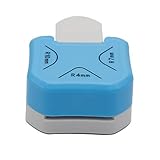
Overview: This precision-focused corner rounder from QIQQIKIN provides three standardized radius options—4mm, 7mm, and 10mm—in a single zinc alloy and ZBS housing. Engineered for consistency, this tool caters to crafters requiring uniform, professional-grade rounded corners across various projects. It accommodates materials up to 2mm thick, including standard paper, EVA foam, and foil, making it suitable for scrapbooking, card making, and business card production where repeatable results are essential.
What Makes It Stand Out: The graduated radius sizes allow for precise scaling of corner treatments based on project dimensions—smaller 4mm corners for delicate tags, medium 7mm for standard cards, and larger 10mm for substantial scrapbook pages. The zinc alloy construction provides superior durability compared to plastic alternatives, ensuring the cutting mechanism maintains alignment and sharpness through extensive use. Its straightforward operation delivers remarkably clean edges without the learning curve associated with some decorative punches.
Value for Money: Positioned as a mid-tier professional tool, this punch offers exceptional value for serious crafters and small business owners. The build quality rivals more expensive single-radius punches while providing three size options that would cost significantly more if purchased separately. For those producing cohesive product lines or maintaining consistent branding across materials, the investment pays for itself in time saved and professional presentation achieved.
Strengths and Weaknesses: Pros: Three precise radius sizes; durable metal construction; clean, consistent cuts; handles various materials up to 2mm; no-frills reliability. Cons: Lacks decorative edge options; requires careful paper alignment for best results; not ideal for extremely heavy cardstock beyond 230gsm; zinc alloy adds weight that some users may find tiring during bulk projects.
Bottom Line: The QIQQIKIN 3-in-1 Radius Punch is a workhorse tool for crafters who value precision and consistency over decorative variety. Its robust construction and standardized sizing make it ideal for production work, while the three options provide flexibility for different project scales. This is a smart investment for anyone regularly creating professional-looking paper goods.
3. Corner Rounder Punch, Corner Cutter and Paper Punches for Crafting, Rounded Corner Punch for Journaling & Scrapbook Supplies, Card Making, Paper Crafts, Laminate, Cardstock, DIY Projects, Photo

Overview: Marketed under the TONOS brand, this ergonomic corner rounder emphasizes user comfort and visibility during operation. It features the standard trio of radius options—4mm, 7mm, and 10mm—while incorporating a design that allows users to flip the punch and see exact paper positioning before cutting. Built with a solid metal blade and press-to-punch mechanism, this tool targets crafters who prioritize accuracy and ease of use in extended crafting sessions, from journaling to photo finishing.
What Makes It Stand Out: The transparent positioning feature represents a significant usability improvement over traditional blind-insertion punches. By allowing visual confirmation of paper placement, it virtually eliminates miscuts and material waste—a major advantage when working with expensive photo paper or pre-printed cardstock. The ergonomic press-down action requires minimal hand strength, making it accessible for users with arthritis or limited grip strength while maintaining cutting precision across materials up to 2mm thick.
Value for Money: This punch competes in the upper-mid-range category, justifying its price through user-centric design features rather than just build materials. For crafters who frequently work with irreplaceable photos or costly specialty papers, the positioning visibility alone provides value that outweighs minor price premiums over basic models. The durability of the metal blade ensures longevity, making it cost-effective for regular users despite the initial investment being slightly higher than generic alternatives.
Strengths and Weaknesses: Pros: Excellent visibility for precise positioning; ergonomic, low-effort operation; solid metal blade; versatile material compatibility; reduces waste from miscuts. Cons: Brand recognition is limited compared to industry leaders; slightly bulkier than minimal designs; price point may deter occasional users; mechanism may require occasional cleaning to maintain smooth operation with adhesive papers.
Bottom Line: The TONOS Corner Rounder Punch excels in user experience and precision, making it an excellent choice for serious crafters and those with physical limitations. While it may cost more than basic models, the visibility feature and ergonomic design provide tangible benefits that justify the price for anyone who values accuracy and comfort in their crafting tools.
4. Spellbinders T-059 1-2 Punch: Corner Rounder & Notch

Overview: Spellbinders brings its reputation for premium crafting tools to this dual-function punch that combines a corner rounder with a specialized notch cutter. Measuring 3.25 x 2.88 x 1.94 inches, this compact tool is engineered for envelope construction, tab creation, and mini file folder projects. Unlike multi-radius options, this punch focuses on delivering two specific functions with professional-grade precision, targeting advanced paper crafters who require specialized capabilities beyond simple corner rounding.
What Makes It Stand Out: The integrated notch punch is a game-changer for specific applications like envelope flaps, binder tabs, and interactive scrapbook elements. Spellbinders’ engineering ensures both cutting mechanisms maintain perfect alignment and produce crisp, clean edges that elevate finished projects. The tool’s compact footprint belies its heavy-duty construction, which withstands frequent use without the degradation common in lesser-quality punches. This specialization makes it indispensable for crafters focused on functional paper engineering rather than decorative edge variety.
Value for Money: As a premium brand tool, this punch commands a higher price point but delivers specialized functionality unavailable in standard corner rounders. For crafters who regularly create envelopes, organizational systems, or interactive elements, purchasing this dual-function tool is more economical than buying separate notch and corner punches. However, those seeking only basic rounding will find better value in multi-radius alternatives. The Spellbinders name assures quality and durability, representing a long-term investment rather than a disposable craft supply.
Strengths and Weaknesses: Pros: Unique notch function; exceptional build quality; precise, consistent cuts; compact design; perfect for functional paper crafts. Cons: Single radius size (not specified but typically standard); premium pricing; limited versatility for decorative work; notch feature may go unused by general crafters; heavier than plastic alternatives.
Bottom Line: The Spellbinders 1-2 Punch is a specialized tool for serious paper crafters who need both corner rounding and notch capabilities. While its price and limited radius options may not suit everyone, the quality and unique functionality make it essential for those creating envelopes, tabs, or interactive paper projects. Consider this an investment piece for advanced crafting rather than a general-purpose tool.
5. DRESS MY CRAFT/CRAFTER’S 3PL Paper Punch CRNR, Sweet Corner

Overview: From the reputable DRESS MY CRAFT/Crafter’s Companion line, the 3PL Sweet Corner punch represents a minimalist approach to corner rounding, focusing on delivering a single, perfectly executed corner style. While product specifications are notably sparse—listing only nominal package dimensions—the brand’s reputation suggests this is a precision tool designed for discerning crafters who prioritize quality over quantity of features. This punch likely targets card makers and scrapbookers seeking consistent, professional results for standard-sized projects.
What Makes It Stand Out: The DRESS MY CRAFT brand carries significant weight in the crafting community, known for tools that balance ergonomic design with durability. Unlike multi-function punches that compromise on individual pattern perfection, this dedicated corner rounder presumably delivers flawlessly consistent results across extended use. The “Sweet Corner” designation implies a specific radius optimized for greeting cards and similar applications, where proportion and aesthetics are critical. The tool’s simplicity eliminates decision fatigue and ensures rapid, repeatable results during production crafting sessions.
Value for Money: As a branded specialty tool, this punch sits at a higher price point than generic multi-function alternatives. The value proposition rests entirely on build quality, cutting precision, and brand reliability rather than feature quantity. For professional card makers or scrapbookers who use a corner rounder daily, the investment in a durable, consistent tool justifies the cost. However, hobbyists seeking versatility will find better value elsewhere. This is a classic case of paying premium prices for specialized performance and brand assurance.
Strengths and Weaknesses: Pros: Presumed high-quality construction; consistent, professional results; ergonomic design typical of the brand; reliable for production work; no complexity. Cons: Extremely limited product information; single radius only; premium pricing; no decorative options; availability may be limited; cannot verify material thickness capacity.
Bottom Line: The DRESS MY CRAFT Sweet Corner punch is best suited for dedicated crafters who value brand reliability and consistent performance over versatility. While the lack of detailed specifications is concerning, the brand’s reputation suggests quality. Purchase this only if you require a single, dependable corner style and trust the manufacturer implicitly, as the minimal product data makes it difficult to assess suitability for specific projects beforehand.
6. LOONENG 3 Way Beauty Shape Corner Punch, 3 in 1 Corner Paper Punch for Paper Crafts, Laminate, Cardstock, Business Card, DIY Projects, Photo, Card Making and Scrapbooking

Overview: The LOONENG 3 Way Beauty Shape Corner Punch delivers three distinct decorative corner finishes in one compact tool. Designed for scrapbookers, card makers, and DIY enthusiasts, this punch creates reversed, lip, and scallop patterns that transform ordinary paper edges into elegant design elements. The tool handles various materials including cardstock, laminated sheets, business cards, and photographs up to moderate thicknesses.
What Makes It Stand Out: Unlike standard rounders, this punch offers three unique decorative profiles that add artistic flair to any project. The zinc alloy cutter blade ensures crisp, clean cuts without fraying, while the precision-engineered guides guarantee consistent results. The lever-type handle reduces hand fatigue during extended crafting sessions, making it practical for batch projects like wedding invitations or holiday cards.
Value for Money: Purchasing three separate decorative punches would typically cost significantly more than this all-in-one solution. The durable construction promises longevity, and the versatility eliminates the need for multiple single-purpose tools. For crafters who regularly produce greeting cards, scrapbook layouts, or gift tags, this punch delivers professional results at a fraction of the cost of specialized alternatives.
Strengths and Weaknesses: Strengths include three distinct decorative options, sturdy zinc alloy blade, comfortable grip, and clean cutting action. The compact size stores easily in craft totes. Weaknesses involve limited pattern variety beyond the three included shapes, potential difficulty with very thick materials, and the learning curve required to achieve perfect alignment consistently.
Bottom Line: The LOONENG 3 Way Corner Punch excels for crafters seeking decorative diversity without cluttering their workspace. It’s an excellent investment for card makers and scrapbookers who value both functionality and aesthetic options. While it won’t replace a standard rounder for minimalist designs, it shines when creative embellishment is desired.
7. Paper Corner Rounder Punch, Corner Punch Corner Cutter Rounder for Cardstock, 3 in 1 (R4mm, R7mm, R10mm) Round Corners Cutter for Crafts, Card Making, Scrapbook Supplies

Overview: This precision-engineered corner rounder punch delivers three professional radius options in a single handheld tool. Designed for paper crafting purists, it creates perfect 4mm, 7mm, and 10mm rounded corners on cardstock, photos, and laminated materials. The tool accommodates thicknesses from 0.1mm to 0.4mm, making it ideal for standard paper stocks and moderate laminates used in card making and scrapbooking.
What Makes It Stand Out: The clear size markings and dedicated slots for each radius eliminate guesswork, ensuring consistent results across batches. The integrated non-slip mat provides stability during operation, preventing costly mistakes on premium materials. Unlike decorative punches, this tool focuses on clean, professional rounding that suits business cards, photographs, and formal invitations where precision matters most.
Value for Money: For crafters requiring standardized corner radii, this punch replaces three separate tools while maintaining professional quality. The non-slip feature protects work surfaces and extends tool life by ensuring clean, aligned cuts. Compared to electric alternatives or single-radius punches, this manual tool offers excellent precision at an accessible price point for hobbyists and small business owners.
Strengths and Weaknesses: Strengths include three precise radius options, non-slip stability, clear operating instructions, and portable design. The thickness guidelines prevent material jamming. Weaknesses involve strict thickness limitations that exclude heavy chipboard or multiple layered materials, manual operation requiring consistent hand pressure, and lack of decorative pattern options for creative projects.
Bottom Line: This corner rounder is essential for crafters prioritizing precision over decoration. It excels at producing clean, professional edges for business cards, photos, and formal stationery. While not suited for heavy-duty materials or artistic shaping, it delivers reliable, consistent results that elevate the finish of any paper project requiring standardized rounding.
8. 2PCS Paper Corner Rounder Corner Punch 3 in 1 Corner Cutter for Card Making, Laminate, Cardstock, Scrapbooking and Paper Crafts, Business Cards(4mm, 7mm, 10mm)

Overview: This value-packed set includes two identical 3-in-1 corner rounder punches, each capable of creating 4mm, 7mm, and 10mm radius corners. The tools work with standard paper stocks, laminated materials, and cardstock for DIY projects ranging from business cards to scrapbook pages. Silk-screened size indicators on each punch enable quick identification of the desired radius without trial and error.
What Makes It Stand Out: The dual-tool packaging immediately sets this apart, providing a backup unit or enabling collaborative crafting without sharing. Each punch features the same three radius options, making the set ideal for classroom settings, craft parties, or small business operations where multiple users work simultaneously. The compact, lightweight design ensures both tools store efficiently in craft bags or desk drawers.
Value for Money: Receiving two fully-functional punches at a price point typically charged for a single unit represents exceptional value. This configuration suits educators, workshop instructors, or families where several people craft together. The redundancy also provides insurance against tool loss or malfunction during critical projects, effectively doubling your crafting capacity without doubling the investment.
Strengths and Weaknesses: Strengths include two complete tools, clear size labeling, portability, and straightforward operation. The set excels in multi-user environments. Weaknesses involve basic functionality without decorative options, potential quality variations between the two units, and the same thickness limitations inherent to manual corner rounders. Storage requires slightly more space than a single punch.
Bottom Line: This 2PCS set delivers unmatched value for group crafting scenarios. It’s perfect for teachers, workshop leaders, or families who craft together regularly. While individual hobbyists may find the second unit redundant, anyone operating in a collaborative or educational context will appreciate the convenience and backup security this twin-pack provides.
9. Ecraft Paper Corner Rounder Punch : 3 in 1 (R4mm, R7mm, R10mm) - Corner Cutter for Paper Crafts, Laminate, Photo, DIY, Card Making and Scrapbooking

Overview: The Ecraft Paper Corner Rounder Punch combines three essential radius options in a durable, maintenance-friendly design. This tool specifically targets 160G-220G paper weights, creating 4mm, 7mm, and 10mm rounded corners with precision. The ABS housing and zinc alloy cutter blade provide professional-grade durability for frequent use in home, office, school, or photo studio environments.
What Makes It Stand Out: Ecraft distinguishes itself with explicit material guidelines and maintenance instructions—recommending cooking oil lubrication after extended use to maintain cutting sharpness. This proactive care guidance extends tool lifespan significantly. The manufacturer provides clear thickness parameters (under 2mm) and suggests layering thinner papers, demonstrating unusual transparency about operational limits that helps users avoid frustration.
Value for Money: The robust construction and included maintenance knowledge justify the investment for serious crafters. While priced similarly to competitors, the detailed usage instructions prevent material waste and premature tool failure. For small business owners producing custom cards or photo studios preparing client prints, the reliability and care guidance translate to long-term cost savings.
Strengths and Weaknesses: Strengths include sturdy ABS and zinc alloy construction, clear operational guidelines, maintenance recommendations, and versatile radius options. The explicit material specifications prevent misuse. Weaknesses involve manual lubrication requirements, potential mess from oil maintenance, strict thickness limitations, and lack of decorative alternatives for creative projects.
Bottom Line: Ecraft’s corner rounder suits methodical crafters who follow instructions and maintain their tools properly. It’s ideal for consistent, high-volume rounding of appropriate paper stocks. While requiring more upkeep than simpler models, the performance longevity and clear guidelines make it a smart choice for dedicated paper crafters and small business applications where reliability matters.
10. 3 in 1 Paper Craft Corner Punch - Scrapbook Border Punch for Cards & Arts

Overview: This versatile corner punch system offers crafters multiple decorative options for enhancing paper projects. The tool features interchangeable cutting capabilities that produce various corner shapes including hearts, stars, flowers, and intricate patterns. Designed for greeting cards, invitations, photo albums, and gift tags, it combines a sturdy lever mechanism with a stable base to deliver clean cuts through standard paper and cardstock.
What Makes It Stand Out: The emphasis on decorative diversity distinguishes this punch from basic rounders. Rather than limiting users to simple radius curves, it enables artistic expression through multiple shape options. The alignment markings ensure consistent placement across multiple pieces, crucial for professional-looking batches. The tool integrates seamlessly with other crafting supplies like lace trimmers, border punches, and color pens for comprehensive project coordination.
Value for Money: For crafters focused on artistic embellishment, this single tool replaces numerous specialty punches, reducing both cost and storage requirements. The ability to create coordinated corner designs across different project types maximizes creative potential. While potentially costing more than basic rounders, the decorative versatility eliminates the need for separate shape punches, offering solid value for mixed-media artists.
Strengths and Weaknesses: Strengths include multiple decorative patterns, alignment assistance markings, sturdy construction, and integration with other crafting tools. The lever mechanism provides mechanical advantage for clean cuts. Weaknesses involve vague specifications about included shapes, unspecified material thickness limits, potentially steeper learning curve for pattern alignment, and less precision for formal applications requiring simple rounding.
Bottom Line: This decorative corner punch excels for creative crafters prioritizing artistic flair over pure functionality. It’s perfect for personalized greeting cards, themed scrapbook pages, and decorative gift tags. While not ideal for business applications requiring standardized corners, it unleashes creative possibilities that basic rounders cannot match, making it invaluable for artistic paper crafting enthusiasts.
What Defines a Premium Corner Punch?
Premium corner punches distinguish themselves through exceptional engineering, superior materials, and thoughtful design that anticipates a professional’s needs. Unlike mass-market versions that prioritize low cost over longevity, professional-grade tools feature hardened steel blades, precision-machined components, and ergonomic handles that withstand thousands of cuts without degradation. The action feels smooth and decisive rather than gritty or hesitant, producing clean edges without fraying, tearing, or requiring excessive force.
What truly separates premium options is their ability to maintain consistent performance across varied materials and extended use. You’ll notice the difference in the micrometer-precise alignment guides, the satisfying heft of solid metal construction, and the razor-sharp cuts that remain crisp even after processing hundreds of heavyweight cardstock sheets. These tools aren’t disposable—they’re designed to be sharpened, maintained, and passed down, becoming trusted companions in your creative arsenal.
Why Professional Crafters Need Premium Tools
The Hidden Cost of Budget Alternatives
That inexpensive corner punch from the craft store aisle might seem like a smart financial choice initially, but the true cost reveals itself over time. Budget tools dull quickly, producing inconsistent results that force you to discard ruined materials—expensive specialty papers, metallic stocks, or handmade sheets that can’t be replaced. The time spent struggling with a stubborn punch, repositioning misaligned cuts, or manually finishing rough edges translates directly into lost productivity and diminished hourly rates.
Professional crafters understand that tool failure during a deadline-driven project isn’t just inconvenient; it’s potentially catastrophic. When a bride’s 200 wedding invitations are due or a product launch packaging order must ship, you need equipment that performs flawlessly under pressure. Premium corner punches eliminate this risk, becoming reliable workhorses that protect both your schedule and your professional reputation.
How Premium Tools Elevate Your Brand
Your clients judge your work by its finest details. A perfectly rounded corner with a smooth, burr-free edge signals quality and attention to craft that budget tools simply cannot replicate. When every piece you produce bears the mark of excellence, you command higher prices, attract discerning clients, and build a portfolio that stands apart in a crowded marketplace. Premium tools don’t just make your work better—they make your brand more valuable.
Key Features That Justify the Investment
Precision Engineering and Cutting Mechanisms
The heart of any premium corner punch lies in its cutting mechanism. Look for tools featuring lever-action or gear-driven systems that multiply your force while maintaining control. The best designs incorporate self-centering guides that automatically position your material for perfect alignment, eliminating guesswork and reducing setup time. Some advanced models include adjustable depth stops, allowing you to create consistent corner radii across different project sizes.
Examine how the blade meets the cutting base—premium punches use a shearing action rather than simple compression, which produces cleaner cuts with less effort. The clearance between moving parts should be minimal, preventing material slippage while allowing smooth operation. This level of engineering prevents the “crushing” effect common in cheap punches, where paper fibers are compressed before cutting, leading to fuzzy edges.
Material Quality and Durability
Professional corner punches should feel substantial in your hand, typically weighing between 1.5 to 3 pounds depending on their capacity. This heft comes from solid metal construction—zinc alloy bodies with hardened steel blades, or in the highest-end models, entirely steel fabrication. Avoid tools with significant plastic components in high-stress areas; these are failure points waiting to happen.
The blade itself deserves scrutiny. Premium punches use tool-grade steel hardened to Rockwell C-scale ratings of 55-62, ensuring edge retention through thousands of cuts. Some manufacturers offer replaceable blade cartridges, extending the tool’s lifespan indefinitely. The finish matters too—powder-coated or anodized surfaces resist corrosion and wear, maintaining both appearance and function in busy studio environments.
Ergonomic Design for Extended Use
When you’re processing hundreds of corners in a single session, comfort becomes critical. Premium punches feature cushioned grips contoured to fit your hand naturally, reducing fatigue and preventing repetitive strain injuries. The handle angle and throw distance are optimized for smooth operation, requiring minimal effort while providing maximum control.
Look for tools with non-slip base pads or mounting holes for bench-top installation. Some professional models include adjustable handle positions to accommodate different hand sizes or operational preferences. The best designs distribute force evenly across the cutting mechanism, so you’re not fighting the tool with each squeeze.
Understanding Corner Punch Styles and Patterns
Classic Rounded Corners: From Subtle to Bold
The radius measurement determines the curvature of your corner, and premium punches offer precise, consistent radii measured in millimeters or fractions of an inch. Common professional sizes include 3mm (⅛ inch) for subtle refinement, 5mm (¼ inch) for standard rounding, and 10mm (⅜ inch) for bold, contemporary looks. The best tools provide interchangeable die sets, allowing you to switch between radii without purchasing separate punches entirely.
Professional-grade punches maintain this radius perfectly across the entire cutting edge, ensuring that your first and five-hundredth cut are identical. This consistency is crucial when creating matching sets or when clients reorder items months later and expect perfect replication.
Decorative Edges: Scallops, Inverted Scallops, and More
Beyond simple rounding, premium punches create sophisticated decorative edges that add tactile and visual interest. Scalloped corners feature gentle waves that soften geometric designs, while inverted scallops create pointed, crown-like details. These patterns require exceptional blade precision to cut cleanly without tearing delicate paper fibers.
Professional tools in this category often include alignment marks that help you position the punch for continuous patterns across multiple sheets. The cutting dies are engineered with relief angles that prevent paper from sticking in the mechanism, a common frustration with decorative punches. When evaluating these tools, test them on thin vellum and thick cardstock alike—premium punches handle both with equal grace.
Specialty Shapes: Beyond the Basic Curve
For truly distinctive work, specialty corner punches create shapes like ornate filigree corners, ticket-style angled cuts, or compound curves that combine multiple radii. These tools represent the pinnacle of punch engineering, requiring complex die geometry and robust construction to function reliably. Professional versions feature guide systems that make positioning intuitive, even with intricate patterns.
The investment in specialty punches pays off when developing signature styles for your brand. A unique corner treatment can become your calling card, instantly recognizable to clients and setting your work apart from competitors using standard tools.
Build Quality: What to Look For in Professional-Grade Construction
Metal Composition and Weight
Pick up a premium corner punch and you’ll immediately notice the difference. The body should be cast from high-grade zinc alloy or machined from solid steel, providing the mass needed for stable operation. This weight isn’t just for show—it anchors the tool during use, preventing shifting that leads to misaligned cuts. The base should be wide and flat, with rubber feet that grip your work surface without leaving marks.
Inspect the casting quality: premium tools show smooth surfaces without pits, flash, or irregular parting lines from the mold. Moving parts should fit together with precision, exhibiting minimal play while moving freely. This tight tolerancing is what separates professional equipment from hobbyist gear.
Blade Technology and Sharpening Systems
The cutting blade in a premium punch is a masterpiece of micro-engineering. Look for blades with a honed edge angle between 30-45 degrees, optimized for clean paper cutting without excessive wear. Some professional models feature reversible or replaceable blades, effectively doubling or extending the tool’s cutting life indefinitely. The blade mounting system should be robust—avoid tools where the blade is simply press-fit or held with minimal hardware.
Advanced punches incorporate self-sharpening mechanisms where the blade and die rub against each other at specific angles during operation, maintaining edge sharpness through normal use. Others include access ports for periodic lubrication, ensuring smooth action and preventing corrosion in the hinge points.
Alignment Guides and Measurement Markings
Professional work demands precision, and premium punches deliver with integrated measurement systems. Look for etched or laser-engraved guides showing both metric and imperial measurements, with clear markings for common paper sizes. The best tools feature adjustable stops that let you set repeatable positions for batch work, ensuring every piece in a series matches perfectly.
Some advanced models include LED alignment lights or magnifying viewers that help you position delicate materials with pixel-perfect accuracy. These features might seem like luxuries until you’re working with expensive metallic papers or intricate die-cuts where a millimeter of misalignment ruins the entire piece.
Capacity and Versatility: Paper Weight Limits
Layered Material Handling
Professional corner punches specify their maximum capacity in terms of paper weight (gsm) or number of sheets. Premium tools typically handle 300-400 gsm cardstock easily, with some heavy-duty models punching through 600 gsm (equivalent to 2-3 sheets of standard cardstock simultaneously). This capacity isn’t just about raw power—it’s about maintaining cut quality at maximum load.
The best punches feature adjustable pressure settings that let you fine-tune the cutting force based on material thickness. This prevents over-compression of thinner papers while ensuring clean cuts through heavy stock. When evaluating capacity claims, test with textured or coated papers, which cut differently than plain cardstock due to their fiber structure and surface treatments.
Material Compatibility Beyond Paper
Premium corner punches prove their worth by handling diverse materials: chipboard, thin acrylic, leather, vellum, and even some fabrics. The key is a combination of blade sharpness, cutting angle, and die clearance that prevents material drag or sticking. Professional tools often include material-specific settings or interchangeable dies optimized for different substrates.
Consider your typical project materials when selecting a punch. If you work with luxury packaging, you’ll need a tool that handles laminated board and textured papers. For wedding stationery, versatility across vellum, handmade papers, and metallic stocks is essential. The investment in a truly versatile punch eliminates the need for multiple specialized tools.
Price vs. Value: Calculating Your Return on Investment
Long-Term Durability Considerations
A premium corner punch costing $80-150 might seem extravagant compared to $15 hobby versions, but the math tells a different story. A professional-grade tool processes 10,000+ cuts before requiring maintenance, while budget alternatives often fail after 200-300 uses. If you’re creating 50 wedding suites with 20 corners each, that’s 1,000 cuts in a single project—enough to destroy a cheap punch and compromise your deadline.
Calculate your cost per cut: a $120 punch lasting 10,000 cuts costs $0.012 per use. A $15 punch failing after 300 cuts costs $0.05 per use—four times more expensive. Factor in ruined materials, lost time, and rush shipping for replacement tools, and premium options deliver clear financial advantage.
Time Savings and Efficiency Gains
Professional tools operate with 30-50% less effort and time per cut compared to budget alternatives. When processing 500 corners, this efficiency translates to significant labor savings. If your hourly rate is $50, saving just 30 minutes per project puts $25 back in your pocket—paying for a premium punch after just five projects.
The consistency of premium punches also reduces quality control time. You’re not inspecting each corner for flaws or manually trimming fuzzy edges. This invisible time savings accumulates across every project, increasing your effective hourly rate without raising client prices.
Resale Value and Collectibility
Unlike disposable tools, premium corner punches retain value. Professional-grade equipment from respected manufacturers often sells for 40-60% of its original price on the secondary market, especially when well-maintained. Some limited-edition or discontinued models even appreciate in value among tool collectors and serious crafters.
This resale potential transforms your purchase from an expense into a depreciating asset—one that costs you pennies per use while delivering professional results. Keep original packaging, manuals, and maintenance records to maximize resale value when you eventually upgrade or shift your service offerings.
Maintenance and Longevity: Protecting Your Investment
Cleaning and Debris Removal
Even premium tools require care to maintain peak performance. Paper dust and adhesive residue accumulate in the cutting mechanism, dulling blades and causing misalignment. Establish a cleaning routine: after every heavy-use session, use a soft brush to remove debris from the die area. Monthly, apply a few drops of sewing machine oil or dry lubricant to hinge points, working the mechanism to distribute it evenly.
For stubborn adhesive buildup from sticker paper or washi tape, use a cotton swab dipped in rubbing alcohol to gently clean the blade and die surfaces. Never use water, which can cause rust, and avoid compressed air that might force debris deeper into the mechanism. Some professional punches include tool-free disassembly for thorough cleaning—consider this feature when making your selection.
Storage Solutions for Professional Studios
Protect your investment with proper storage. Keep punches in their original boxes or padded tool rolls that prevent blades from contacting other tools. If your studio is humid, include silica gel packets in storage containers to prevent corrosion. For mobile crafters, hard-shell cases with custom foam inserts protect tools during transport while keeping them organized.
Wall-mounted storage systems keep punches accessible while protecting them from studio dust and accidental drops. Some professionals create dedicated stations for each punch size, with alignment guides and waste bins positioned for efficient workflow. This organization reduces setup time and extends tool life by preventing the nicks and dings that occur in cluttered drawers.
Sharpening and Blade Replacement Options
Premium punches often feature user-replaceable blades, typically costing 20-30% of the tool’s original price. This extends the tool’s life indefinitely, making it a true long-term investment. Replacement procedures should be straightforward, requiring minimal tools and clear instructions. Some manufacturers offer factory sharpening services for models with fixed blades, returning your punch to like-new condition for a modest fee.
For minor touch-ups, fine-grit sharpening stones designed for paper cutters can polish the blade edge. However, this requires careful technique to maintain the correct angle—when in doubt, professional servicing preserves your warranty and ensures optimal results. Keep a spare blade on hand for critical deadlines, eliminating downtime during important projects.
Common Mistakes to Avoid When Selecting Premium Punches
One frequent error is choosing a punch based solely on maximum capacity without considering typical use. A heavy-duty punch that handles 600 gsm might feel cumbersome and require excessive force for everyday 200 gsm cardstock, leading to fatigue. Conversely, selecting a lightweight model for occasional heavy use results in premature wear and frustration.
Another mistake is overlooking the waste collection system. Premium punches should include a well-designed chip tray that catches cut corners without interfering with operation. Models with poor chip management create mess and can jam when debris re-enters the cutting mechanism. Test how easily the tray removes and empties—during busy production runs, you’ll empty it frequently.
Finally, don’t assume all premium punches are universally compatible with specialty papers. Metallic stocks, handmade papers with inclusions, and coated surfaces cut differently than standard cardstock. Always test with your actual project materials before committing, or choose a punch with adjustable pressure settings to accommodate variations.
How to Test a Corner Punch Before Committing
In-Store Testing Protocols
When evaluating punches in person, bring samples of your typical materials. Test each punch with the lightest and heaviest papers you use, checking for clean cuts without fraying or compression marks. Listen to the action—it should sound crisp and decisive, not mushy or grinding. The handle should return to its starting position smoothly without sticking.
Inspect the cut corners with a magnifying glass. Premium punches produce edges where paper fibers are cleanly severed, not crushed. Check for consistent results across multiple cuts—punch ten corners in succession and compare them under good lighting. Any variation indicates alignment or blade quality issues that will cause problems in professional use.
If purchasing online, order from retailers with generous return policies. Test thoroughly upon arrival and don’t hesitate to return tools that don’t meet your standards. Read reviews specifically from professional users, not hobbyists, as their demands and evaluation criteria differ significantly.
Integrating Premium Corner Punches Into Your Workflow
Batch Processing Techniques
Professional efficiency comes from systematizing repetitive tasks. Create cutting stations where paper is pre-trimmed to size, punched, then moved to finishing. Use jigs or stops to position stacks of paper consistently, reducing alignment time per piece. Some crafters mark registration corners with light pencil dots that the punch’s guide automatically centers, eliminating visual alignment entirely.
For large orders, process all corners of one type before switching punches. This batching reduces tool changes and helps you develop a rhythm that increases speed without sacrificing accuracy. Time yourself to establish benchmarks—knowing you can punch 100 corners in 12 minutes helps with project estimation and pricing.
Creating Signature Styles
Develop a library of corner treatments that become your brand signatures. Perhaps you always use a 7mm radius on wedding invitations and a decorative scallop on baby announcements. Document these choices with sample cards showing the exact punch settings and materials used. This consistency builds brand recognition and speeds up client consultations.
Photograph your corner treatments in macro detail for your portfolio. Clients often can’t articulate why professional work looks superior, but showing them the crisp, perfect corners on your samples helps justify premium pricing. Your corner punch becomes more than a tool—it’s part of your artistic identity.
The Environmental Impact of Choosing Quality Tools
In an era of disposable everything, premium corner punches represent sustainable craftsmanship. A tool that lasts decades prevents dozens of cheap replacements from entering landfills. Many professional-grade punches are repairable, with replaceable parts that extend their lifespan indefinitely. This durability aligns with eco-conscious branding that appeals to modern clients.
Consider the material waste reduction: precise cuts mean fewer ruined pieces, saving trees and reducing your studio’s carbon footprint. Some manufacturers use recycled metals in their castings and minimal packaging, further reducing environmental impact. When marketing to environmentally aware clients, your investment in durable, repairable tools becomes a selling point that differentiates your sustainable practices from competitors using throwaway equipment.
Warranty and Customer Support: What Professionals Should Expect
Premium corner punches should include comprehensive warranties of 5-10 years, covering defects in materials and workmanship. This warranty reflects the manufacturer’s confidence in their engineering and materials. Read the fine print: the best warranties cover normal wear and blade sharpness for at least the first year, while budget tools often exclude cutting components entirely.
Evaluate the manufacturer’s customer support before purchasing. Can you reach a knowledgeable representative by phone? Do they offer repair services, replacement parts, and detailed maintenance guides? Companies that stand behind professional tools provide extensive online resources: video tutorials, printable alignment guides, and user forums where experienced crafters share techniques.
Consider the availability of spare parts. A premium punch is only a good investment if you can source replacement blades, springs, or alignment guides five years down the line. Established manufacturers maintain parts inventories for discontinued models, ensuring your investment remains functional indefinitely.
Recognizing When It’s Time to Upgrade Your Tools
Even premium tools eventually show signs of retirement. If you find yourself applying noticeably more force to achieve clean cuts, or if corners show slight variations in radius despite proper alignment, your blade has likely reached end-of-life. Persistent squeaking after lubrication indicates worn bushings or hinge points. Cracks in the body casting, no matter how small, compromise the tool’s precision and signal immediate replacement.
Upgrading also makes sense when your service offerings evolve. If you’ve begun offering luxury packaging but own only a basic corner rounder, a heavy-duty model with larger capacity becomes a revenue-enabling investment. Similarly, expanding into decorative corners might require adding a specialty punch to your collection. Track your tool usage and maintenance costs—when repairs exceed 50% of a new tool’s price, replacement becomes the economical choice.
Frequently Asked Questions
How many cuts can I realistically expect from a premium corner punch before needing maintenance?
Professional-grade corner punches typically deliver 10,000-15,000 clean cuts before requiring blade replacement or sharpening, assuming proper use on appropriate materials. With regular cleaning and lubrication, some high-end models exceed 20,000 cuts. This lifespan assumes cutting standard cardstock; abrasive materials like metallic papers or chipboard will reduce blade life proportionally.
Can one premium corner punch handle all the materials I use, or do I need multiple specialized tools?
A single heavy-duty premium punch with adjustable pressure can handle most materials from 80 gsm vellum to 400 gsm cardstock. However, extreme ends of the spectrum—delicate handmade papers with inclusions or 600+ gsm board—benefit from specialized tools. For most professional crafters, one quality rounded corner punch plus one decorative option covers 95% of projects.
What’s the learning curve when transitioning from a budget punch to a premium model?
The transition typically takes 1-2 projects to master. Premium punches require less force but demand more precise material positioning. Many professionals report immediate improvement in cut quality but need practice to trust the alignment guides fully. The biggest adjustment is retraining muscle memory—premium tools are so smooth that over-squeezing can actually cut too aggressively on lightweight papers.
Are interchangeable die sets worth the additional investment?
For studios offering diverse services, interchangeable dies provide excellent ROI. A single heavy-duty body with 3-4 radius options costs less than separate punches and saves storage space. However, if you primarily use one corner style, dedicated punches often provide slightly better rigidity and longevity. Evaluate your project mix—if you use more than two radius sizes regularly, interchangeable sets make financial sense.
How do I know if a punch’s claimed capacity is accurate?
Test with your actual materials. Manufacturers test capacity using smooth, uncoated cardstock. Textured, metallic, or coated papers cut differently and may reduce effective capacity by 20-30%. A punch rated for 400 gsm might struggle with 300 gsm metallic stock. Always test at 70% of claimed capacity for specialty papers to ensure clean cuts and prolong blade life.
What’s the best way to clean adhesive residue from my punch without damaging it?
Use 90% isopropyl alcohol on a lint-free cloth or cotton swab. Apply sparingly to the blade and die surfaces, then wipe clean with a dry cloth. For stubborn residue, let the alcohol sit for 30 seconds before wiping. Never use acetone, which can damage powder-coated finishes, or water-based cleaners that promote rust. Clean after processing adhesive-backed materials to prevent buildup.
Do premium corner punches hold their value for resale?
Yes, well-maintained premium punches retain 40-60% of their value, especially from respected manufacturers. Models with replaceable blades and classic designs hold value best. Keep original packaging, manuals, and maintenance records to maximize resale price. Limited edition finishes or discontinued models sometimes appreciate among collectors. Budget punches have virtually no resale value.
Can I sharpen the blades myself, or should I use professional services?
Minor touch-ups are possible with fine-grit (1000+) sharpening stones, but maintaining the precise bevel angle requires skill. Most professionals benefit from factory sharpening services, which restore the original edge geometry for $15-25 plus shipping. Attempting major sharpening yourself can void warranties and potentially ruin the blade. Keep a spare blade on hand and send dull ones for professional servicing.
What alignment issues should I watch for as my punch ages?
Check for inconsistent radius size between cuts, corners that aren’t perfectly symmetrical, or material that drifts during punching. These indicate worn guide bushings or a loose blade mount. Some alignment issues are correctable through adjustment screws; others require replacement parts. Address alignment problems immediately—continued use accelerates wear and can permanently damage the tool.
How do I justify the cost of premium punches to clients or in my pricing structure?
Factor the cost into your project overhead rather than itemizing it. Calculate cost per cut (typically under $0.02) and add this to material waste allowances. The real value comes from time savings and quality consistency—track how much faster you work with premium tools and adjust hourly rates accordingly. Many professionals find they can complete projects 15-20% faster, effectively increasing earnings without raising prices.
