Table of Contents
Mood boards have evolved from casual collage exercises into sophisticated visual storytelling tools that drive everything from interior design campaigns to brand identity systems. In 2026’s hybrid creative landscape, where tactile inspiration meets digital refinement, the humble repositionable tape applicator has become the unsung hero of every serious creative’s toolkit. These precision instruments transform chaotic bursts of inspiration into fluid, adaptable compositions without the commitment anxiety of permanent adhesives.
But not all tape applicators are created equal. As mood board artistry becomes more nuanced and materials more diverse, the market has responded with an overwhelming array of options featuring everything from AI-assisted tension control to bio-based adhesive formulas. Whether you’re a professional creative director orchestrating multi-million dollar campaigns or a passionate hobbyist curating your seasonal aesthetic, understanding what separates a transformative tool from a frustrating gimmick is essential. Let’s explore the features, innovations, and considerations that will define your perfect repositionable tape applicator in 2026.
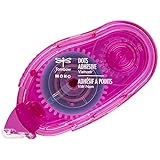
Top 10 Repositionable Tape Applicators For Mood



Detailed Product Reviews
Why Repositionable Tape Applicators Are Non-Negotiable for Modern Mood Boards
The psychological magic of mood boarding lies in its non-committal nature—the ability to shift a vintage photograph three millimeters left, swap a fabric swatch for a texture sample, or completely dismantle yesterday’s vision to build tomorrow’s breakthrough. Traditional glue sticks and permanent tapes create decision paralysis; every placement feels final, every arrangement risks destruction upon removal. Repositionable tape applicators eliminate this friction, offering tack-level precision that holds elements securely while granting infinite second chances.
In 2026’s fast-paced creative cycles, where client feedback arrives via Slack at midnight and iterations happen in real-time during video calls, the ability to rapidly reconfigure physical mood boards isn’t just convenient—it’s commercially essential. These tools bridge the gap between the physical and digital, allowing you to photograph and share arrangements, receive feedback, and implement changes without starting from scratch. The right applicator becomes an extension of your creative intuition, responding to your touch with predictable, reliable performance that fades into the background of your process.
Understanding the Evolution of Tape Applicator Technology (2024-2026)
The repositionable tape applicator market underwent a quiet revolution between 2024 and 2026, driven by demands from professional creative studios and independent artists alike. Early models focused simply on delivering adhesive without permanence, but today’s devices are engineered ecosystems. The introduction of micro-serrated application edges in late 2024 eliminated the “ridge effect” that previously created visible lines under thin papers. By early 2025, manufacturers began integrating torque-sensitive feed mechanisms that automatically adjust tape tension based on application speed—preventing the dreaded slack loops and snaps that plagued earlier versions.
2026 has ushered in the era of “smart adhesion,” where tape formulas are chemically engineered to recognize and adapt to different fiber structures. This means the same applicator can now apply gentler tack to delicate rice papers and stronger hold to heavy cardstock without user intervention. Some premium models even feature substrate-sensing technology that visually indicates (through subtle LED feedback) when you’re using a tape width or adhesive strength mismatched to your material—preventing damage before it occurs.
Core Features That Define Premium Applicators
Adhesive Precision and Control
The heart of any repositionable tape applicator lies in its ability to deposit exactly the right amount of adhesive exactly where you intend it. Premium models feature channel-guided application systems that prevent lateral drift, ensuring your 6mm tape stays perfectly parallel to your material edge. Look for applicators with progressive pressure triggers—these allow you to feather the adhesive application, applying lighter tack at the start of a line and gradually increasing hold, perfect for creating peelable corners on large format boards.
The adhesive itself has become a point of innovation. 2026’s best formulas use multi-phase tackification, where the initial touch is feather-light for positioning, then develops moderate hold over 30-60 seconds, giving you a crucial repositioning window. This chemistry should be archival-safe, acid-free, and photo-safe, but also completely removable for 48-72 hours without residue. Beware of applicators promising “permanent repositionability”—the chemistry is contradictory. True repositionability has a natural lifespan; quality products are transparent about their hold duration.
Ergonomic Design Considerations
Your relationship with a tape applicator is tactile and repetitive. A tool that causes hand fatigue after twenty minutes will collect dust regardless of its technical brilliance. Modern ergonomic design extends beyond simple cushioned grips. Weight distribution has become a science—the optimal balance point should rest just forward of your index finger’s base, creating a pivot that feels natural during application arcs.
Consider the thumb-rest geometry. 2026’s superior models feature ambidextrous, contoured rests with micro-texturing that provides grip without abrasion. The activation mechanism—whether trigger, button, or pressure-sensitive pad—should require no more than 200-250 grams of force to engage, preventing repetitive strain during marathon mood board sessions. For professionals, look for models with interchangeable grip modules that accommodate different hand sizes or allow for custom 3D-printed adaptations.
Refill Systems and Sustainability
The environmental consciousness of 2026 demands tools that minimize waste. Premium applicators feature cartridge-based refill systems rather than disposable units. The best systems use mono-material refills—single polymer construction that makes recycling straightforward. Some manufacturers have adopted take-back programs where used cartridges earn credit toward replacements.
Consider the tape length per refill. Economy models might offer 8-10 meters, while professional systems provide 30-50 meters, reducing the frequency of mid-project changes. The refill process itself matters: tool-free cartridge swapping that takes under 15 seconds keeps your creative flow uninterrupted. Watch for “smart” refills with RFID tags that communicate remaining tape length to your applicator, preventing the frustration of running dry mid-line.
The Anatomy of a Perfect Mood Board Application
Achieving flawless application requires understanding the physics of your tool. The ideal angle of approach is 35-45 degrees from the board surface—this allows the applicator’s guide edge to make contact while the tape roller deposits adhesive with optimal pressure distribution. Speed matters: moving too fast (over 15cm per second) prevents proper adhesive transfer, while moving too slow (under 5cm per second) can deposit excess tack that oozes beyond the tape edges.
Temperature and humidity affect performance more than most users realize. In conditions above 27°C or below 40% relative humidity, adhesives can become overly aggressive. Premium 2026 applicators include material temperature sensors that adjust feed rate to compensate. For mood board work, apply tape in continuous strokes rather than short segments—this creates invisible seams and prevents buildup of adhesive at start-stop points.
Material Compatibility: What Works and What Doesn’t
The diverse materials comprising modern mood boards—vellum, kraft paper, photographic prints, dried botanicals, metallic foils, and digital printouts—each present unique challenges. Repositionable tape performs excellently on fibers with moderate porosity: standard cardstock, matte photo paper, and uncoated fine art papers. On these surfaces, the adhesive creates a mechanical bond that releases cleanly.
Non-porous materials like acetate, metallic foils, and some coated inkjet papers require specialized low-tack formulas. Using standard repositionable tape here can cause adhesive transfer—where the glue remains on the slick surface when the material is lifted. Conversely, heavily textured materials like handmade papers or canvas swatches need higher-tack formulas; standard tape may not achieve sufficient contact across the surface peaks and valleys.
Always test on material off-cuts. The 2026 standard is to keep a “swatch journal”—a dedicated notebook where you test tape performance on every material you collect, noting hold strength, residue potential, and repositioning limits.
Tape Width Variations and Their Strategic Uses
Width selection directly impacts both aesthetics and functionality. The 6mm width remains the workhorse for general mood board assembly—narrow enough to stay hidden behind most elements but wide enough for reliable hold. For delicate work—securing typography samples or transparent overlays—3mm tape provides minimal visual interference and easier removal from small pieces.
12mm and 15mm widths serve strategic purposes. Wide tape creates invisible hinges for folding elements, provides stable mounting for heavy objects like fabric swatches or small product samples, and can create grid structures on your board base for alignment guidance. Some advanced users employ 20mm tape to create “parking zones”—areas where inspiration pieces can be temporarily grouped before final placement.
Consider applicators with interchangeable width cartridges. While single-width tools offer simplicity, a system that accommodates 3mm, 6mm, and 12mm refills provides ultimate flexibility without cluttering your workspace with multiple devices.
Advanced Features for Professional Creatives
Smart Tension Control Mechanisms
The most sophisticated 2026 applicators feature dynamic tension systems that respond to your movement speed and directional changes. When you accelerate, tension increases slightly to prevent tape slack; when you decelerate for precise cornering, it eases to avoid adhesive buildup. This creates a consistent, bubble-free application that looks machine-perfect but feels intuitively human.
Some models include manual override controls—small sliders that let you lock tension for specialty applications like creating curved tape paths or working with unusually thick materials. For collaborative studios, look for applicators with user profiles that remember individual tension preferences, automatically adjusting when different team members pick up the tool.
Integrated Cutting Systems
The cutting mechanism separates frustration from flow. Traditional serrated blades tear tape unevenly and can damage delicate materials. 2026’s premium systems use ceramic micro-blades that slice cleanly without pulling, or better yet, heated wire cutters that separate tape through clean fusion rather than mechanical cutting.
The blade position matters critically. Side-mounted cutters allow you to trim tape flush against board edges without lifting the applicator. Retractable blade guards that activate automatically when the applicator is set down prevent tabletop damage and safety hazards. For intricate work, some models feature secondary precision cutters near the tape exit point, letting you snip tiny segments without engaging the main blade.
Transparency and Visibility Features
Seeing exactly where tape is being applied prevents costly mistakes on irreplaceable materials. Leading applicators incorporate clear polycarbonate guide channels that let you watch the tape emerge and align with your target. Some feature integrated LED guide lights that project a faint line onto your work surface, showing precisely where the tape edge will land—particularly valuable when working with transparent materials or in low-light studio environments.
The applicator body itself should be partially translucent, allowing you to monitor remaining tape levels at a glance. Advanced models include digital tape counters that display exact remaining length, though many purists prefer the simplicity and reliability of visual inspection.
Portability and Workspace Integration
The modern creative professional moves between home studio, client site, and collaborative workspaces. Your tape applicator should adapt seamlessly. Compact “pocket professional” models measure under 12cm in length and weigh less than 80 grams, fitting easily into a laptop bag or tool roll. These sacrifice some advanced features but retain core precision.
For stationary studio use, consider applicators with magnetic bases that dock to metal whiteboard frames or integrated mounting hooks for pegboard organization. Some premium models feature Bluetooth connectivity that syncs with project management apps, automatically logging tape usage by project—a niche but valuable feature for billing materials on client work.
The power source matters for heated cutters or smart features. USB-C rechargeable lithium cells have become standard, offering weeks of use between charges. Avoid models with proprietary charging cables; the friction of hunting for a specific cord kills creative momentum.
Budget Tiers: What to Expect at Every Price Point
Entry-level applicators ($8-15) provide reliable 6mm tape application with basic ergonomics. They typically use disposable integrated cartridges and lack advanced features, but many deliver perfectly adequate performance for hobbyists and students. The compromise comes in consistency—adhesive deposition may vary slightly, and longevity averages 6-12 months of regular use.
Mid-range options ($25-45) introduce refillable systems, better ergonomics, and improved cutting mechanisms. This is the sweet spot for serious creatives who need reliability without professional-studio pricing. Expect 2-3 width options, comfortable grips, and tape formulas optimized for common mood board materials.
Professional-grade applicators ($60-120) justify their price through precision engineering, advanced materials, and feature sets that save time and prevent material waste. They offer interchangeable cartridges, smart tension control, archival-grade adhesives, and construction that withstands daily use for years. For creative professionals who bill hourly, the time saved and mistakes prevented quickly offset the initial investment.
Sustainability and Eco-Conscious Options
The creative industry has awakened to its environmental impact, and tape applicator manufacturers have responded. Bio-based adhesives derived from plant starches now match synthetic performance for most applications, though they may have shorter shelf life. Some brands use recycled ocean plastics for applicator bodies, creating vibrant, speckled aesthetics that signal environmental commitment.
Refill systems are inherently more sustainable than disposables, but examine the details. Are refills packaged in recyclable materials? Does the manufacturer offer a cartridge return program? Some innovative companies have introduced “concentrate” systems where you purchase bulk adhesive and refill small cartridges yourself, minimizing packaging waste.
Consider the tool’s end-of-life design. Premium applicators in 2026 are increasingly designed for disassembly, with standardized screws and separated material types that make recycling feasible. A ten-year warranty isn’t just a quality promise—it’s a sustainability statement that the manufacturer expects the tool to remain in use, not in landfill.
Common Mistakes When Choosing Applicators
Many creatives select applicators based on brand familiarity rather than feature matching. This leads to mismatched tools—using heavy-duty applicators for delicate paper work, or precision tools for mounting weighty material samples. Always audit your typical materials before purchasing.
Another frequent error is prioritizing tape length over tape quality. A 50-meter refill of inferior adhesive creates more waste than a 15-meter roll of precision-formulated tape. The false economy of cheap refills becomes apparent when they damage irreplaceable vintage ephemera or fail to hold during client presentations.
Ignoring the learning curve is costly. Advanced applicators with multiple features require practice to master. Purchasing a professional model for occasional use often results in frustration, as the nuanced controls feel finicky rather than empowering without regular practice. Conversely, professionals who stick with basic models miss efficiency gains that compound across hundreds of applications.
Maintenance and Longevity Best Practices
Even the finest applicator requires care. Clean the application roller weekly using isopropyl alcohol on a lint-free cloth—this prevents adhesive buildup that causes skipping and uneven deposition. Never submerge the applicator in solvent; moisture can infiltrate the feed mechanism and cause corrosion.
Store applicators horizontally in a dust-free environment. Vertical storage can cause tape to settle unevenly on the roll, leading to feed issues. For long-term storage (over one month), remove the tape cartridge and store it in its original packaging to prevent adhesive degradation from air exposure.
The cutting blade demands attention. Ceramic blades stay sharp for years but can chip if dropped. Traditional steel blades should be replaced every 6-12 months depending on usage. Many manufacturers offer blade sharpening services for professional models, a cost-effective way to maintain peak performance.
Future-Proofing Your Purchase for 2026 and Beyond
The pace of innovation suggests several trajectories. Modular applicator systems are emerging, where the core handle accepts different heads for different tape types—repositionable, permanent, even conductive tapes for interactive mood boards. Investing in a modular platform protects against obsolescence.
Consider compatibility with emerging adhesive technologies. Some manufacturers are developing “phase-change” adhesives that shift from repositionable to permanent with UV light exposure, allowing you to finalize boards without switching tools. While this technology remains expensive, choosing an applicator brand that participates in adhesive research ensures access to future innovations.
Firmware updatable smart applicators represent another forward-looking option. These tools receive performance improvements and new feature unlocks via smartphone apps, extending their useful lifespan beyond static hardware limitations.
Industry-Specific Considerations
Fashion designers require applicators that handle fabric swatches and delicate prints. They need wide-format options (12mm minimum) and adhesives that release completely from textiles without leaving residue that affects drape or texture. Many fashion studios prefer applicators with built-in static dissipation to prevent attracting lint.
Interior designers work with heavier materials—wood veneers, stone samples, metal finishes. They need high-tack formulas and robust applicators that can deposit adhesive strips up to 20mm wide. The ability to create temporary hinges is crucial for presenting multi-angle views of materials.
Brand strategists and graphic designers prioritize precision and cleanliness. They work with printed materials where any visible adhesive or residue undermines professionalism. 3mm and 6mm tapes with ultra-clear, non-yellowing adhesives are essential. They also benefit from applicators with integrated alignment guides for creating geometric layouts.
Frequently Asked Questions
How long can materials typically be repositioned before the adhesive becomes permanent?
Most quality repositionable tapes maintain clean removability for 48-72 hours under normal indoor conditions. After this window, the adhesive begins forming stronger bonds with paper fibers, increasing the risk of surface damage upon removal. Temperature and humidity significantly affect this timeline—cool, dry conditions extend repositionability, while warm, humid environments accelerate bonding.
Can repositionable tape be used on top of printed inkjet photos without damaging the image?
Yes, but with critical caveats. Only use acid-free, photo-safe repositionable tape specifically formulated for coated papers. Apply gentle pressure and avoid repositioning more than 2-3 times. For valuable prints, apply tape to the backside whenever possible. Some 2026 formulations include “ink-guard” technology that creates a micro-barrier preventing adhesive-ink interaction, but always test on a discard print first.
What’s the best way to remove tape from delicate vintage papers without tearing?
Work slowly with a micro-spatula or thin palette knife. Gently lift one corner while applying minimal tension parallel to the paper surface. Use a hair dryer on low, cool setting to slightly warm the adhesive, making it more pliable. For extremely fragile materials, apply a small amount of archival-quality adhesive remover with a fine brush along the tape edge, allowing it to seep under and break the bond chemically.
Are heated cutting mechanisms worth the extra cost for mood board work?
For most users, no. Heated cutters excel with thick, fibrous tapes and industrial applications. For standard paper-based mood boards, a sharp ceramic blade provides cleaner cuts with less complexity. However, if you frequently work with fabric-backed tapes or heavily textured materials, a heated cutter prevents fraying and creates sealed edges that won’t peel.
How do I prevent tape from losing its stickiness in dry winter studio conditions?
Low humidity causes adhesives to dry out and lose tack. Store tape cartridges in sealed bags with a humidity control pack (the type used for camera equipment). When working, use a small desktop humidifier to maintain 40-50% relative humidity in your immediate workspace. Some 2026 applicators include internal humidification chambers that maintain optimal moisture levels in the tape as it feeds.
Can I use the same applicator for both repositionable and permanent tape refills?
Generally, no. The feed mechanisms and application pressures are optimized for specific adhesive viscosities and backing thicknesses. Using permanent tape in a repositionable applicator often results in poor adhesion or jamming. Some modular systems accept different heads for different tape types, but the core feed mechanism remains dedicated. Keep separate applicators for each adhesive type to ensure consistent performance.
What’s the ideal tape width for creating invisible hinges on fold-out board elements?
Use 12mm or 15mm tape applied in parallel strips 3-4mm apart. This creates a flexible hinge with distributed stress points. Apply the tape to the backside of your fold element, folding it back on itself to create a “tape loop” hinge. For extra-heavy elements, reinforce with a second layer of tape after the first has set for 10 minutes. The hinge should bend freely without adhesive separation.
How do I clean adhesive residue that transferred to my board surface?
Use a white vinyl eraser, gently rubbing in small circular motions. For stubborn residue, apply a tiny amount of undiluted isopropyl alcohol to a cotton swab and dab—don’t rub—the affected area. Work from the outside inward to avoid spreading. For delicate surfaces, use a dry cleaning sponge (the type used for archival document cleaning). Never use water or household cleaners, which can warp paper and cause staining.
Are there repositionable tape applicators designed specifically for vertical or wall-mounted mood boards?
Yes, emerging “gravity-fed” models feature vertical application heads that deposit tape perfectly on upright surfaces without sagging or misalignment. These include extended reach handles (30-45cm) that let you work on large wall boards without a ladder. They use stiffer tape backings and modified adhesives that resist immediate peel-back when applied vertically. While niche, these are invaluable for presentation boards and collaborative workspace installations.
How can I tell when my applicator’s feed mechanism needs professional servicing versus simple cleaning?
If cleaning the roller and blade doesn’t resolve skipping, uneven deposition, or tape breakage, inspect the feed gears. Visible wear, cracking, or teeth that skip when manually rotated indicate professional service is needed. Unusual noises—grinding, clicking, or high-pitched squealing—suggest internal gear misalignment. For applicators under warranty, contact the manufacturer; many offer free servicing. For out-of-warranty tools, compare repair costs against replacement, as some internal components are not user-serviceable.
See Also
- 10 Must-Have Repositionable Tape Applicators for Layout Drafts in 2026
- 10 Must-Have Repositionable Tape Applicators for Planner Design in 2026
- 10 Must-Have Repositionable Tape Applicators for Layout Design in 2026
- 10 Game-Changing Refillable Tape Applicators for Eco Crafters in 2026
- 10 Best Precision Tape Applicators for Miniature Models in 2026
