Table of Contents
Weaving has experienced a remarkable renaissance in recent years, transforming from a historical craft into a modern mindfulness practice. As our lives become increasingly digital, the tactile satisfaction of creating fabric with your own hands offers a powerful antidote to screen fatigue and stress. For beginners, the journey into weaving can feel overwhelming—looms come in countless configurations, fiber terminology reads like a foreign language, and the gap between aspiration and execution seems vast. But here’s the truth: the right weaving kit doesn’t just provide tools; it offers a complete roadmap that turns curiosity into competence.
This comprehensive guide cuts through the marketing noise and addresses what every aspiring weaver actually needs to know before investing in their first kit. We’ll explore the essential features that separate frustrating beginner experiences from joyful creative breakthroughs, decode the technical specifications that matter most, and help you match your personal goals with the perfect entry point into this timeless craft. Whether you dream of creating wall hangings that rival boutique gallery pieces or simply want a meditative hobby that produces beautiful, useful objects, understanding these fundamentals will save you time, money, and countless hours of confusion.
Top 10 Weaving Kits For Beginners
Detailed Product Reviews
1. NATIONAL GEOGRAPHIC Wooden Arts and Crafts Loom Weaving Kit - Yarn and 3 Fun Designs for Easy Weaving, Child Weaving Set with Loom

Overview:
This National Geographic kit introduces children to weaving through a carefully structured, progressive approach that builds confidence. The sturdy wooden loom comes with everything needed to create three specific projects, making it ideal for young beginners who benefit from clear, achievable goals and guided learning.
What Makes It Stand Out:
The exceptional progressive skill-building design starts with a simple rainbow pattern and advances to more complex sunset and waterfall designs. This scaffolding approach keeps children engaged as they master techniques step-by-step. The National Geographic brand backing ensures educational quality and reliable customer service.
Value for Money:
At its price point, this kit offers solid value. The reusable wooden loom and generous 150+ feet of yarn in 13 vibrant colors extend the product’s lifespan far beyond the initial three projects. While you could buy supplies separately, the curated instructions and quality components justify the premium over basic looms.
Strengths and Weaknesses:
Pros:
- Progressive project difficulty builds confidence systematically
- High-quality, reusable wooden loom construction
- Excellent instructions designed specifically for children
- Trusted educational brand with strong support
Cons:
- Limited to three guided projects may restrict creative exploration
- Yarn quantity may be insufficient for ambitious young weavers
- Wooden loom smaller than some alternative options
Bottom Line:
Perfect for structured learners, this kit excels at teaching weaving fundamentals through guided progression. Ideal for children who thrive with clear instructions and achievable milestones.
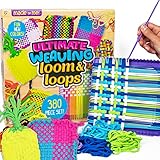
2. Made By Me Ultimate Weaving Loom, Includes 378 Craft Loops & 1 Weaving Loom with Tool, Makes 25 Projects, 9 Rainbow Colors of Weaving Loops, Hook & Loop Potholder Kit, DIY Weaving Kit
Overview:
This comprehensive kit focuses on loop-based weaving, offering a modern twist on classic potholder loom crafts. With 378 polyester loops and a sturdy plastic loom, children can create up to 25 wearable projects without any sewing required.
What Makes It Stand Out:
The massive quantity of super-soft loops in nine vibrant colors enables endless pattern experimentation. The no-sew design with easy-connect pegs makes it exceptionally accessible for younger children. Projects range from practical items like potholders to creative pieces like friendship bracelets and bags.
Value for Money:
Exceptional value. With enough materials for 25 projects, this kit costs mere pennies per creation. The reusable loom and hook tool provide ongoing value, while the sheer volume of loops means kids can experiment freely without fear of running out. Comparable kits offer far fewer loops at similar prices.
Strengths and Weaknesses:
Pros:
- Huge quantity of loops (378) for extensive creativity
- No sewing required—truly kid-friendly
- Diverse project possibilities beyond basic squares
- Develops multiple skills: patterns, motor skills, color recognition
Cons:
- Plastic loom less durable than wooden alternatives
- Polyester loops not as “natural” as yarn
- Projects smaller in scale (7.5" loom)
Bottom Line:
Outstanding value for creative kids who want quantity and variety. Best for children who enjoy experimenting with colors and patterns independently.
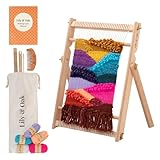
3. Lily & Oak Weaving Loom for Adults & Kids - Weaving Loom Kit | Beginner-Friendly Table Loom & Lap Loom with Yarn, Tools & Instructions | Wooden Loom for Multicraft Projects (15.8 x 11.8 inches)
Overview:
This premium wooden loom bridges the gap between children’s toys and serious crafting tools. Sized at 15.8 x 11.8 inches, it accommodates both lap and table use, making it versatile for various age groups and project types.
What Makes It Stand Out:
The professional-grade beech wood construction and inclusion of a heddle bar elevate this beyond typical beginner kits. The dual-mode functionality (lap or table) and comprehensive tool set—including shuttle, comb, and metal needle—provide an authentic weaving experience. Video tutorials and printed instructions cater to different learning styles.
Value for Money:
While pricier than basic kits, the quality justifies the cost. The large, stable loom feels like a real artisan tool rather than a toy. Comparable beginner looms of this quality often cost significantly more. The included natural yarn and professional components make it a worthwhile investment for serious beginners.
Strengths and Weaknesses:
Pros:
- Premium beech wood construction
- Versatile lap or table configuration
- Includes heddle bar for advanced techniques
- Excellent instructional resources (print + video)
- Suitable for both kids and adults
Cons:
- Higher price point may deter casual buyers
- Larger size requires more storage space
- May intimidate very young children
Bottom Line:
The ideal choice for committed beginners seeking an authentic, long-lasting loom. Worth the investment for families or adults starting their weaving journey.
4. Lemonfilter Weaving Loom Kit for Kids, 9 * 11inch Loom Knitting Frame Child Multi-Craft Handcraft Weaving Set for Kids 6-12, Wooden Weaving Loom for Adult, DIY Handcraft & Beginners

Overview:
This compact 9x11 inch pine wood loom targets younger weavers with its simple design and focus on developing patience and concentration. The kit includes essential tools and four yarn colors for immediate crafting sessions.
What Makes It Stand Out:
The loom’s assembly process itself becomes a learning activity, teaching children about structure and stability. Its smaller size is perfect for creating manageable projects like coasters and small scarves, preventing overwhelm. The emphasis on concentration development makes it appealing for parents seeking mindful activities.
Value for Money:
Reasonably priced for a wooden loom kit, though the limited yarn colors (four) and smaller size mean you may need to purchase additional supplies sooner. The natural pine construction offers decent durability at this price point. Comparable wooden kits often cost more but include more comprehensive materials.
Strengths and Weaknesses:
Pros:
- Natural pine wood construction
- Assembly teaches structural concepts
- Perfect size for small, manageable projects
- Promotes patience and concentration
- Safe, smooth finish for children
Cons:
- Only four yarn colors included
- Assembly may be tricky for some users
- Smaller working area limits project size
- Instructions could be more detailed
Bottom Line:
A solid starter loom for younger children that prioritizes skill development over project quantity. Best for patient learners and guided parental involvement.
5. 7 PCS Rectangle Weaving Loom Wood Weaving Loom Kit Small Weavings Looms Kit Bookmark Looms with Wooden Stick, Weavings Comb, Crochet Needle for Kids Adults Beginners and Weavinges Lovers

Overview:
This unique set provides seven different-sized rectangular looms in one package, offering unprecedented versatility for weavers who want to experiment with various project scales. The gear-designed ends help secure weaving lines efficiently.
What Makes It Stand Out:
The variety of sizes in a single purchase is unmatched—perfect for creating everything from bookmarks to wall hangings without buying multiple separate looms. The innovative gear design on the ends improves thread tension and placement. Portability across all sizes makes this ideal for crafting on-the-go.
Value for Money:
Incredible value for multi-project crafters. Purchasing seven individual looms separately would cost significantly more. While each loom is simpler than premium options, the collective versatility justifies the modest price tag. Great for classrooms, families, or weavers wanting size options.
Strengths and Weaknesses:
Pros:
- Seven different sizes for maximum versatility
- Innovative gear design for better thread management
- Lightweight and portable
- Excellent value for multiple looms
- Suitable for wide age range
Cons:
- Quality may be less robust than single premium looms
- No yarn included in basic description
- Smaller looms may be too simple for advanced projects
- Instructions likely generic across all sizes
Bottom Line:
Unbeatable for variety seekers and those wanting to experiment with different project scales. Perfect for classrooms or families sharing crafting resources.
6. Traditional Craft Kits Wicker Basket Weaving Kit for Beginners - Weave Kit for Kids and Adults Complete with Basket Weaving Supplies and Instructional Booklets
 Wicker Basket Weaving Kit for Beginners - Weave Kit for Kids and Adults Complete with Basket Weaving Supplies and Instructional Booklets](https://m.media-amazon.com/images/I/41Raks6CaaL._SL160_.jpg)
Overview: This beginner-focused kit introduces the traditional art of wicker basketry in a compact, family-friendly format. Designed to create a single 3" x 2" basket, it includes fiber splits, cord, a clothespin, and color photo instructions. Requiring only basic household tools, it promotes mindfulness and hands-on learning for ages 8 and up, with adult supervision recommended for children under 12.
What Makes It Stand Out: The kit’s commitment to authentic wicker techniques sets it apart from simpler paper-based crafts. The mindfulness angle is genuinely integrated, encouraging focused, meditative creation. Its intergenerational design fosters quality family time, while the professional photo instructions demystify what can be an intimidating craft. The compact size makes it approachable rather than overwhelming for first-timers.
Value for Money: While priced slightly higher than basic craft kits, you’re paying for legitimate skill-building in a traditional craft. The materials are sufficient for a quality learning experience, and the instructional depth rivals introductory workshops costing significantly more. Compared to purchasing individual basketry supplies, this kit eliminates guesswork and waste, making it a cost-effective entry point.
Strengths and Weaknesses: Strengths: Authentic wicker technique; clear, professional photo instructions; promotes mindfulness; excellent family bonding activity; minimal additional supplies needed. Weaknesses: Small finished size limits utility; single project per kit; requires adult supervision for younger children; may frustrate those wanting immediate, larger results.
Bottom Line: Perfect for families seeking a meaningful, screen-free activity or individuals exploring mindfulness through craft. The traditional approach delivers genuine skill acquisition, though the modest scale means it’s about the journey, not the destination. Ideal for patient beginners; experienced crafters should look elsewhere.
7. FREEBLOSS 12 Set Basket Weaving Kit Introductory Sewing for Beginners Creative Woven Bowl Suitable for Kids Arts and Crafts Projects with Video Tutorial Easter Basket Activities for Easter Eggs

Overview: This value-packed kit delivers materials for twelve woven basket projects, making it ideal for group activities or repeat practice. Each project uses colorful raffia ribbon and flower-shaped corrugated cardboard to create decorative bowls suitable for Easter eggs. With six vibrant raffia colors (20 meters each) and video tutorial support, it targets beginners and families looking for accessible, festive crafting.
What Makes It Stand Out: The sheer quantity—twelve complete sets—immediately distinguishes this kit from single-project alternatives. The video tutorial addresses common beginner frustrations, while the raffia-and-cardboard approach eliminates the complexity of traditional weaving. Its Easter-centric design is versatile enough for year-round decorative bowls, and the free color combination encourages genuine creativity rather than paint-by-numbers crafting.
Value for Money: Exceptional value for group settings. Cost per basket is significantly lower than individual craft kits, making it perfect for classrooms, parties, or large families. The generous raffia lengths allow for experimentation and mistakes. While not a heirloom craft, the entertainment and learning value far exceeds the price point, especially compared to disposable holiday decorations.
Strengths and Weaknesses: Strengths: Twelve projects included; video tutorial; vibrant color variety; eco-friendly materials; excellent for groups; seasonal versatility. Weaknesses: Cardboard base limits durability; raffia can be tricky for small hands; finished products are decorative, not functional; requires separate scissors.
Bottom Line: An outstanding choice for teachers, party planners, or families wanting multiple holiday crafts. The volume and video support make it nearly foolproof for beginners. Don’t expect sturdy storage baskets, but for festive, decorative fun and skill-building, it’s hard to beat the value and accessibility.
8. FREEBLOSS Macrame Basket Kit DIY Macrame Kit for Beginners Video Tutorials Basket Weaving Craft Adults Macrame Craft Kit for Gift

Overview: This kit pivots from traditional weaving to modern macrame, offering a contemporary approach to basket-making. It includes premium cotton rope in three colors, wooden components, and fabric to create a decorative macrame basket. With both paper instructions and video tutorials, it targets adult beginners seeking a stylish, gift-worthy finished piece that doubles as home decor.
What Makes It Stand Out: The premium cotton cord is noticeably softer and more pliable than standard craft rope, making knot-tying easier on hands. The dual instruction method—video plus written—caters to different learning styles effectively. Its modern macrame aesthetic appeals to current decor trends, and the finished product genuinely looks store-bought when completed, providing a strong sense of accomplishment.
Value for Money: The quality materials justify the price point. Cotton cord, wooden ring, and glue sticks would cost nearly as much purchased separately, and the video instruction adds significant value. Compared to macrame workshops, it’s an economical entry point. However, you’re paying a premium for curated convenience versus sourcing bulk supplies yourself.
Strengths and Weaknesses: Strengths: Premium soft cotton cord; comprehensive video tutorial; modern, decorative result; gift-worthy finished product; clear, beginner-friendly instructions. Weaknesses: Requires hot glue gun (safety consideration); macrame technique differs from traditional weaving (may disappoint purists); smaller finished size than expected; limited to one design.
Bottom Line: Ideal for adults drawn to modern fiber arts and home decor projects. The quality materials and instruction make success highly likely. If you’re specifically interested in weaving rather than knotting, choose a different kit. For macrame newcomers wanting a beautiful, functional result, this delivers excellent value and aesthetic appeal.
9. Inventive Weaving on a Little Loom: Discover the Full Potential of the Rigid-Heddle Loom, for Beginners and Beyond
Overview: This comprehensive guidebook from Storey Publishing serves as a masterclass in rigid-heddle loom weaving, distinct from project kits. It covers techniques from basic to advanced, enabling weavers to fully utilize their looms. With professional photography and clear progression, it’s a permanent reference for serious learners rather than a one-time craft activity. No physical supplies are included.
What Makes It Stand Out: Unlike superficial craft books, this dives deep into loom mechanics, pattern drafting, and advanced techniques like pick-up sticks and finger-controlled weaves. The “Beyond” promise is fulfilled with complex projects that grow with your skills. Published by the reputable Storey, it offers authoritative, tested instruction that stands up to repeated consultation and professional scrutiny.
Value for Money: For the price of a single workshop, you gain a lifetime reference. The depth eliminates the need for multiple beginner books, making it economical for committed learners. However, requiring a loom purchase (not included) adds substantial initial investment. For casual hobbyists, the density may be overkill; for serious weavers, it’s invaluable.
Strengths and Weaknesses: Strengths: Comprehensive, professional content; progresses beyond beginner level; authoritative publisher; permanent reference value; no project limit. Weaknesses: No supplies included; requires separate loom purchase; may intimidate absolute beginners; no video content; heavy on theory.
Bottom Line: Essential purchase for anyone owning or planning to buy a rigid-heddle loom. Skip if you want a quick, simple craft with all materials provided. This is an educational investment, not entertainment. Perfect for self-directed learners serious about mastering weaving as a craft, not just completing a project.
10. Melissa & Doug Wooden Multi-Craft Weaving Loom: Extra-Large Frame (22.75 x 16.5 inches)

Overview: Melissa & Doug’s extra-large wooden loom brings professional-scale weaving to children’s crafts. The adjustable frame accommodates various project sizes, while 91 yards of rainbow yarn and 42 picture strips provide immediate creative opportunities. Designed for durability and ease of use, it features easy-grasp knobs and wooden guides to maintain straight edges, targeting kids but sturdy enough for extended family use.
What Makes It Stand Out: The robust wooden construction and generous size differentiate it from flimsy plastic alternatives. The picture strips ingeniously simplify pattern-making for visual learners, while the repositionable frame grows with the child’s skill level. Melissa & Doug’s reputation for quality children’s products is evident in the smooth finish and thoughtful design elements that prevent common beginner frustrations like warping.
Value for Money: Premium-priced but justified by durability and scale. Comparable looms cost more without included yarn or pattern support. The large size means more ambitious projects, extending the product’s lifespan beyond simple pot holders. While overkill for a one-time craft, it’s an investment in a child’s creative development that withstands years of use.
Strengths and Weaknesses: Strengths: Sturdy wooden construction; extra-large adjustable frame; generous yarn supply; picture strips simplify patterns; easy-grasp knobs; brand reliability. Weaknesses: Large footprint requires storage space; primarily designed for kids (adults may find it small); picture strips may limit creative exploration; premium price.
Bottom Line: Excellent choice for families committed to nurturing a child’s interest in fiber arts. The quality and size support genuine skill development beyond simple novelty. Less ideal for casual crafters or those with limited space. If you want a loom that lasts through years of projects and genuinely teaches weaving fundamentals, this is worth the investment.
Why Weaving Has Captured the Modern Imagination
The contemporary weaving movement isn’t just about making pretty things—it’s about reclaiming agency in a mass-produced world. When you weave, you control every element: the fiber, the color story, the texture, and the final form. This level of creative control provides psychological benefits that extend far beyond the finished piece. Studies on craft-based therapy show that the repetitive, rhythmic motions of weaving can lower cortisol levels and induce a flow state similar to meditation.
For beginners, this means your first kit represents more than a hobby purchase; it’s an investment in mental wellness and creative expression. The best beginner weaving kits tap into this desire by providing not just equipment, but a structured pathway to mastery that respects your time and intelligence. They acknowledge that modern crafters want to understand the “why” behind techniques, not just follow rote instructions.
Decoding Weaving Kit Types: Find Your Perfect Match
Before examining features, you must understand the fundamental categories of weaving kits. Each type serves different creative goals, space constraints, and learning styles. Choosing the wrong category is the single biggest mistake beginners make, often leading to abandoned looms and dashed expectations.
Frame Loom Kits: Your Weaving Foundation
Frame looms represent the purest entry point into weaving. These simple, often wooden rectangles hold warp threads under tension while you manually weave weft through them. The beauty of frame loom kits lies in their simplicity—no complex mechanisms, no assembly frustration, just direct interaction with fiber. They excel at creating wall hangings, small tapestries, and experimental pieces where texture and artistic expression take priority over uniform fabric production.
Look for kits with notched edges that maintain even warp spacing and include a shedding stick to create clean sheds (the space between warp threads). The best frame loom kits for beginners include adjustable tensioning systems, which prevent the warping board effect where your weaving becomes progressively looser—a common frustration that makes beginners feel incompetent when it’s actually an equipment issue.
Rigid Heddle Loom Kits: The Natural Next Step
If your ultimate goal is creating functional fabric—scarves, placemats, or simple garments—a rigid heddle loom kit offers the ideal bridge between simplicity and capability. These looms use a heddle (a frame with slots and holes) that you raise and lower to create clean sheds automatically. This mechanism speeds up weaving dramatically while teaching fundamental concepts that transfer to more complex multi-harness looms.
Quality rigid heddle kits include at least two dent reeds (the comb-like pieces that determine sett, or threads per inch), allowing you to experiment with different yarn weights. They should also provide a warping peg for direct warping—a beginner-friendly method that eliminates the intimidation factor of traditional warping boards. The loom’s width typically ranges from 15 to 32 inches; for beginners, a 20-24 inch width offers versatility without overwhelming workspace demands.
Lap Loom Kits: Creativity on the Go
Lap looms occupy a sweet spot between frame looms and rigid heddle looms. Designed to rest comfortably on your lap or a table, these often feature a simple heddle bar system that provides some mechanical advantage while maintaining portability. They’re perfect for apartment dwellers, those with limited storage, or weavers who want to attend fiber guild meetings or craft nights without transporting bulky equipment.
The best lap loom kits emphasize stability—the loom shouldn’t flex or wobble during weaving, which affects tension consistency. Check for solid wood construction and reinforced corners. Many quality kits include built-in warp spacing guides and come with project bags that keep your work clean and portable.
Circle Looms: Quick and Satisfying Projects
Round weaving has exploded in popularity, and circle loom kits cater to this trend. These simple rings allow you to create circular wall hangings, coasters, and decorative pieces in a fraction of the time required for rectangular formats. While less versatile than other loom types, they offer near-instant gratification—crucial for maintaining beginner motivation.
Expert-level circle loom kits include multiple sizes, allowing you to create cohesive collections, and provide detailed instruction on shaping techniques that prevent the “bowl effect” where edges curl upward. They should also address the unique finishing challenges of circular pieces, where traditional hemstitching doesn’t apply.
Non-Negotiable Features in Beginner Weaving Kits
Regardless of loom type, certain features separate professional-grade beginner kits from craft-store novelties that lead to frustration. Think of these as your quality checklist—if a kit lacks these elements, keep shopping.
First, comprehensive warp thread selection is critical. The warp forms your weaving’s backbone, and inferior or insufficient warp thread dooms projects before you begin. Quality kits include strong, smooth cotton or cotton-blend warp yarn in adequate quantity for multiple projects. The warp should be at least twice the length of your planned project, plus loom waste—kits that skimp here force you to purchase supplemental materials immediately, negating the “complete kit” value proposition.
Second, tool quality matters enormously. A basic kit should include at least one shuttle (for carrying weft), a tapestry needle for detail work, a comb or beater for packing weft, and scissors. The shuttle should fit comfortably in your hand and have smooth edges that don’t snag yarn. Avoid kits with plastic tools where function matters—wooden or polished metal tools provide better weight and control.
The Loom Itself: What to Look For
The loom is your primary tool, and its construction determines your weaving experience more than any other factor. Understanding loom anatomy helps you evaluate quality independent of brand names or marketing claims.
Material Quality and Durability
Hardwood looms (maple, birch, or oak) offer superior stability and longevity compared to softwoods like pine. They resist warping from humidity changes and maintain tension better. Check for sanded, splinter-free surfaces—rough wood damages delicate fibers and makes threading uncomfortable. Quality kits specify wood type; vague “wooden loom” descriptions often hide inferior materials.
For portable looms, weight becomes a factor. A 24-inch rigid heddle loom should weigh 5-7 pounds; heavier indicates cumbersome design, lighter suggests flimsy construction. The sweet spot balances portability with the heft needed for stable tension.
Size and Portability Factors
Your available workspace directly influences loom size. Measure your intended weaving area before purchasing. Frame looms require only slightly more space than their weaving area, while rigid heddle looms need additional room for the weaver to sit comfortably and operate the heddle. Most beginners underestimate the “elbow room” needed—add at least 18 inches to each side of the loom’s width for comfortable operation.
Consider storage, too. Kits that include hanging hardware or storage bags protect your investment and keep small tools organized. Some rigid heddle looms fold flat for storage; this feature proves invaluable in small spaces.
Adjustability and Tension Control
The ability to adjust tension separates professional looms from toys. Look for kits with tensioning devices—wing nuts, thumb screws, or cam levers—that allow you to tighten warp threads evenly. Testimonials often mention “easy tension adjustments” as a hallmark of quality beginner experiences.
For frame looms, removable pegs or notched bars that allow different warp spacing expand your creative options. Rigid heddle looms should offer heddle height adjustment to accommodate different yarn thicknesses. These features ensure your first kit remains useful as skills advance.
Yarn Matters: Understanding Fiber Content and Quantity
A kit’s included yarn determines your first project’s success and educational value. Beginner kits should include yarn in three categories: warp yarn, weft yarn, and accent yarn. Each serves different purposes and teaches different lessons about fiber behavior.
Warp yarn must be strong and smooth—mercerized cotton, linen, or strong wool work well. It shouldn’t stretch or fuzz, which causes tension inconsistencies. The kit should include enough warp for at least two projects; learning to warp is challenging, and you’ll want to practice without purchasing additional materials immediately.
Weft yarn introduces texture and color. Quality kits include a variety pack with different weights (worsted, bulky, super bulky) and fibers (wool, cotton, acrylic blends). This variety teaches you how different yarns pack together, how to manage selvedge edges with varying thicknesses, and how fiber choice affects drape and appearance.
Accent yarns—novelty fibers, roving, or ribbon—allow creative expression and teach advanced techniques like soumak or rya knots. Kits with thoughtful accent selections demonstrate the manufacturer’s understanding of modern weaving aesthetics and provide immediate gratification through textural variety.
Tool Essentials Beyond the Loom
Beyond the loom and yarn, specific tools transform weaving from frustrating to fluid. A comprehensive kit includes these essentials; their absence indicates a manufacturer cutting corners.
Shuttles: Kits should include at least one stick shuttle (for narrow warps) and one boat shuttle (for wider projects). Boat shuttles with bobbins hold more yarn and create cleaner edges. The shuttle’s length should match your loom’s width—too long and it’s unwieldy, too short and you’ll constantly reload.
Beater/Comb: This tool packs weft threads into place. Wooden beaters with wide teeth prevent yarn damage; plastic versions can create static and snag fibers. Some kits include both a wide-tooth comb for initial beating and a finer comb for detailed work.
Tapestry Needle: A large-eye, blunt-tip needle finishes edges, weaves in ends, and creates decorative details. It should be large enough to handle bulky yarn but not so large it distorts the warp.
Heddle Hook: For rigid heddle looms, this specialized tool threads warp through heddle slots and holes. A comfortable grip and smooth tip prevent hand fatigue and snagging. Quality kits include this; its absence makes warping unnecessarily difficult.
Instructional Support: Your Roadmap to Success
The best weaving kit in the world fails without clear instruction. Evaluate a kit’s educational materials as carefully as its physical components. Modern beginners expect multi-format learning, and premium kits deliver.
Look for printed manuals with step-by-step photos, not just diagrams. Photos show hand positioning, tension appearance, and common mistakes in ways line drawings cannot. The manual should include a troubleshooting section addressing issues like broken warp threads, uneven edges, and tension problems.
Digital support extends learning. QR codes linking to video tutorials demonstrate techniques like tying on warp, creating a shed, and finishing techniques. Some kits include access to private Facebook groups or Discord channels where beginners share progress and get advice. This community aspect proves invaluable when you hit inevitable roadblocks.
Project patterns should progress logically. The first project teaches basic plain weave; subsequent projects introduce new techniques like stripes, textures, and simple shapes. This scaffolded learning builds confidence and skill systematically.
Skill Level Considerations: Honest Self-Assessment
Weaving kits often market themselves as “perfect for all skill levels,” but this claim rarely holds true. Honest assessment of your manual dexterity, patience level, and technical aptitude prevents mismatched expectations.
True beginners—those with no fiber craft experience—should prioritize simplicity. Frame loom kits with pre-warped options allow you to start weaving within minutes, building muscle memory and confidence before tackling the complex math of warping. These kits teach fiber handling, beat consistency, and visual design without the steep learning curve of loom preparation.
If you crochet, knit, or practice other fiber arts, you can handle intermediate beginner kits. Your existing yarn knowledge and tension control translate well to rigid heddle looms. You’ll appreciate kits that include multiple heddle sizes and mention “pick-up sticks” for exploring lace patterns.
Consider your tolerance for setup time. Warping a rigid heddle loom takes 1-2 hours for your first attempt. If immediate gratification motivates you, circle looms or pre-warped frame looms better match your personality. Conversely, if you enjoy methodical processes, the warping ritual becomes a meditative prelude to weaving.
Project Types: Matching Kits to Your Creative Vision
Your intended projects should drive kit selection more than any other factor. Each loom type excels at specific outcomes, and mismatched expectations create disappointment.
Wall Art and Tapestry: Frame looms and circle looms dominate this category. They allow free-form shaping, texture exploration, and mixed-media integration. Kits marketed for “fiber art” or “tapestry weaving” include thicker, more sculptural yarns and tools for creating negative space and irregular edges.
Functional Fabric: Rigid heddle looms produce consistent, usable cloth suitable for scarves, table runners, and simple garments. Kits targeting this market include smooth, durable yarns that full (slightly felt) into stable fabric and provide instructions for finishing techniques like hemstitching and fringe twisting.
Quick Gifts and Experimentation: Lap looms and small frame looms suit weavers who want to complete projects in a weekend. These kits emphasize speed and variety over large-scale production, often including enough materials for multiple small pieces.
Garment-Weight Fabric: If you aspire to weave fabric for clothing, start with a rigid heddle loom at least 20 inches wide. Kits should include lighter-weight yarns (fingering or sport weight) and instructions for sampling—creating small swatches to test drape and shrinkage before committing to a large project.
Budget Breakdown: What to Expect at Different Price Points
Weaving kit prices span from $30 to $400+, and understanding what each tier offers prevents both overspending on unnecessary features and underspending on quality that leads to abandonment.
$30-$75 Range: This entry-level tier includes basic frame looms, lap looms, and simple circle loom sets. Expect solid wood construction but limited adjustability. Yarn quantities cover 1-2 small projects. Tools are functional but basic. These kits excel at testing interest without major investment but may require supplemental purchases quickly.
$75-$150 Range: The sweet spot for serious beginners. Rigid heddle loom kits appear here, often with multiple heddle sizes and superior yarn variety. Instructional materials become more comprehensive, and tool quality improves significantly. These kits include enough materials for 3-4 projects, allowing skill development before restocking.
$150-$250 Range: Premium beginner kits feature hardwood looms with advanced tensioning systems, extensive yarn libraries with luxury fibers, and multiple shuttles. Digital support and community access become standard. These kits serve beginners committed to long-term weaving, offering growth potential that eliminates the need for immediate upgrades.
$250+ Range: Professional-grade kits for ambitious beginners. Looms accommodate wider projects and include accessories like second heddle kits for advanced patterns. Yarn selections rival boutique fiber shops, and instructional support often includes live workshop access. While overkill for casual interest, these kits eliminate equipment limitations for years.
Space Requirements: Finding Room for Your New Hobby
Weaving’s space demands surprise many beginners. Unlike knitting’s minimal footprint, looms require dedicated real estate. Accurately assessing your available space prevents purchase regret.
Frame looms and circle looms need only a flat surface roughly twice the size of the loom itself. A 18x24 inch table suffices for most projects. Storage is equally compact; these looms hang on walls or slide onto shelves like books.
Rigid heddle looms demand more space. During weaving, you’ll need a table at least as wide as the loom plus 24 inches on each side for comfortable heddle operation and shuttle throwing. A 24-inch loom requires a 6-foot table minimum. Many weavers use dining tables or dedicated craft desks.
Consider vertical space, too. When warping a rigid heddle loom using the direct method, you need 8-10 feet of clear space behind the loom. This doesn’t require a permanent setup—many weavers warp in hallways or living rooms then move the loom to their workspace—but it’s a consideration for apartment dwellers.
Storage for rigid heddle looms means either a dedicated corner or a closet. Some looms disassemble for storage, but frequent breakdown introduces wear. Measure your closet depth; many looms exceed standard 24-inch closet depths when stored upright.
Material Matters: Natural vs. Synthetic Fibers
The fiber content debate extends beyond personal preference into learning efficacy and project success. Quality beginner kits strike a strategic balance, teaching you fiber properties through hands-on experience.
Natural Fibers: Wool teaches elasticity and fulling; its slight stretch forgives tension inconsistencies beginners create. Cotton provides strength for warp and crisp definition for weft, showing clean pattern structure. Linen’s stiffness challenges beginners to maintain even beating, building skill quickly. Kits heavy on natural fibers typically cost more but produce professional results and teach proper fiber handling.
Synthetic Blends: Acrylic and acrylic-wool blends offer affordability and vibrant colors that motivate beginners. They resist breaking during the learning curve and wash easily. However, they lack the tactile satisfaction and drape of natural fibers. Premium kits use synthetics strategically—for accent textures or high-color-impact weft—while keeping warp threads natural.
Novelty Fibers: Ribbon, roving, and tape yarns create immediate visual interest but require specific techniques. Kits that include these should provide explicit instructions for managing their unique properties—ribbon twists, roving pulls apart, tape yarn collapses. Without guidance, these fibers frustrate rather than inspire.
The best approach? Kits offering 60-70% natural fibers for foundational learning, with 30-40% synthetics and novelty fibers for creative play. This ratio builds skill while maintaining engagement.
Growth Trajectory: Kits That Grow With You
Smart beginners view their first kit as a foundation, not a disposable entry point. Kits designed for growth include features that remain relevant as skills advance, delaying the need for expensive upgrades.
Modular design characterizes growth-oriented kits. Frame looms with removable warp bars allow you to weave longer pieces by advancing the warp. Rigid heddle looms that accept additional heddles enable complex patterns like twill and overshot without requiring a new loom.
Accessory compatibility signals growth potential. Does the loom accept pickup sticks for lace? Can you add a second heddle kit? Are there compatible stand options? Kits from manufacturers with robust accessory ecosystems extend the loom’s lifespan from beginner to intermediate projects.
Yardage capacity matters. Looms holding longer warps (3+ yards) allow you to weave multiple projects sequentially, a technique called “warping for multiple projects.” This efficiency becomes important as you progress, but beginners rarely consider it. Quality kits mention this capacity in specifications.
Community and Continued Learning Resources
Weaving is fundamentally a communal craft, with knowledge passed between practitioners. Kits that connect you to this tradition accelerate learning exponentially.
Look for manufacturers with active social media presence where they share tips, feature customer work, and respond to questions. This accessibility proves invaluable when you encounter problems at 10 PM on a Saturday. The best kit producers host regular live Q&A sessions and maintain pattern libraries accessible to customers.
Educational partnerships indicate quality. Kits developed in collaboration with weaving schools or recognized instructors include pedagogically sound instruction sequences. Some include exclusive access to online courses or discounts on workshops, effectively extending the kit’s value.
Local guild connections matter. Many weaving guilds offer beginner programs and loaner equipment. Kits that include information about finding your local guild demonstrate industry integration and support traditional knowledge transfer. Guild members often mentor beginners, providing context that videos cannot.
Troubleshooting Common Beginner Challenges
Even with perfect equipment, beginners face predictable challenges. Understanding these beforehand—and knowing which kit features mitigate them—prepares you for success.
Uneven Edges (Selvedges): This universal beginner struggle stems from inconsistent weft tension. Kits including a shuttle with tapered edges help, as does detailed instruction on “bubble” technique (creating a slight arc in weft before beating). Some premium kits include selvedge guides—removable pegs that maintain consistent width.
Broken Warp Threads: Beginners often use too much force when beating, snapping warp threads. Kits with strong cotton warp and instructions about gentle beating prevent this. A repair heald (a small wire hook for tying in new warp threads) should be included; its absence makes this common problem catastrophic.
Inconsistent Beat: Creating fabric with even density requires consistent beating pressure. Kits with weighted beaters or detailed guidance on using your body weight (not arm strength) produce better results. Some include “beat samples”—small woven examples showing correct density.
Tension Headaches: Poor loom construction causes uneven tension that no amount of skill fixes. Kits with independent tension adjustments for each side, or continuous warp tensioning systems, eliminate this variable. Reviews mentioning “perfect tension out of the box” indicate quality manufacturing.
Maintenance and Care for Longevity
Your first weaving kit represents an investment that, with proper care, serves you for decades. Understanding maintenance requirements before purchase ensures you’re prepared for the responsibility.
Wooden looms require periodic treatment. Avoid kits with untreated wood; they absorb moisture and warp. Look for looms finished with wax, oil, or lacquer that protect against humidity. Every 6-12 months, apply loom oil to moving parts and wax to wooden surfaces. This 15-minute maintenance ritual prevents squeaking, sticking, and wear.
Metal components need attention too. Heddles and reeds collect lint and dust, affecting performance. Kits including a small brush for cleaning these parts demonstrate attention to detail. Store metal tools with a light coat of oil if you live in humid climates to prevent rust.
Yarn storage matters. Kits with proper packaging—resealable bags, included cedar blocks, or moisture-absorbing packets—show fiber literacy. Once opened, store yarn in airtight containers away from direct sunlight and pests. Moth damage devastates stash, and proper storage education should be part of any quality kit’s instructions.
Frequently Asked Questions
What’s the difference between weaving and knitting, and why choose weaving?
Weaving interlaces threads at right angles on a loom, creating stable grid-based fabric. Knitting forms interlocking loops with needles, producing stretchy, drapable fabric. Weaving offers more structural control, faster project completion for certain items, and unique textural possibilities. Many fiber artists eventually practice both, but weaving appeals to those who enjoy methodical processes and architectural design.
How long does a beginner’s first weaving project typically take?
A small frame loom wall hanging (8x10 inches) takes 3-5 hours from warp to finish, including setup. A scarf on a rigid heddle loom requires 8-12 hours of active weaving time, plus 2-3 hours for warping and finishing. Circle loom projects can be completed in 1-2 hours. The key is choosing a project that matches your attention span—nothing kills motivation like a project that drags on for weeks.
Can children use beginner weaving kits, and what age is appropriate?
Children as young as 6 can successfully use simple frame looms and circle looms with adult supervision. The motor skills required for rigid heddle looms typically develop around age 10-12. Look for kits specifically marketed for families—these include safety considerations like blunt tools and pre-measured yarn to prevent frustration. Adult involvement in the first project dramatically increases success rates and creates meaningful craft传承.
What’s the minimum space I need to start weaving?
For frame looms and circle looms, a 2x2 foot table surface suffices. Rigid heddle looms need a 3x5 foot area for comfortable operation. During warping, you’ll temporarily need 8-10 feet of linear space, but this can be a hallway or even done outdoors. Many apartment weavers use their dining table, storing the loom under the bed or in a closet between sessions. Vertical wall storage for frame looms makes them ideal for tiny spaces.
How much should I realistically budget for my first weaving kit?
Plan to spend $75-$150 for a quality beginner kit that won’t require immediate upgrades. This range includes durable tools, adequate yarn, and proper instruction. Cheaper kits often cost more in the long run when you replace broken components or buy supplemental yarn. If you’re uncertain about long-term interest, borrow a loom from a local guild first, or purchase a $40 frame loom kit to test the waters before investing in a rigid heddle system.
Are expensive kits worth it for absolute beginners?
Generally, no. Premium kits ($200+) excel when you have clear goals and commitment. Many features remain unused until intermediate skill levels. However, if you have prior fiber craft experience and know you’ll stick with weaving, a high-quality rigid heddle kit in the $180-$250 range eliminates the need to upgrade for 2-3 years. The sweet spot: start with a mid-range kit, then invest in premium accessories as skills develop.
Can I use leftover knitting yarn in my weaving kit?
Absolutely, with caveats. Knitting yarn works beautifully as weft, but most lacks the strength needed for warp threads. Use knitting yarn for weft texture and color, but stick to the kit’s recommended warp yarn. Bulky knitting yarns create interesting effects on frame looms but may be too thick for rigid heddle reeds. Always check the reed’s dent size (slots per inch) against your yarn’s thickness before starting.
How do I fix a broken warp thread mid-project?
First, don’t panic—it’s fixable. Tie a new warp thread to the broken end using a weaver’s knot, then weight the repair thread with a small clip or clothespin hanging off the back of the loom. This maintains tension while you weave. When you reach the repair point, treat both threads as one. Quality kits include instructions for this repair and provide extra warp yarn specifically for fixes. The key is catching breaks early; check warp tension every few inches.
Is weaving more expensive than other fiber arts long-term?
Initial investment exceeds knitting or crochet—a quality rigid heddle loom costs more than needles or hooks. However, ongoing costs are comparable. Yarn expenses are similar across crafts. Weaving’s advantage is yarn efficiency: you use exactly what your project requires, with minimal waste. Many weavers spin or dye their own yarn, further reducing costs. The hobby becomes expensive only if you collect multiple looms or specialize in luxury fibers. A single loom and thoughtful yarn purchases keep costs reasonable.
Where can I find patterns and inspiration beyond my kit’s instructions?
Start with the manufacturer’s website—most offer free pattern libraries for kit owners. Ravelry’s weaving section contains thousands of patterns searchable by loom type. Instagram hashtags like #rigidheddleweaving or #tapestryweaving showcase real projects with yarn details. YouTube channels from weaving supply companies demonstrate techniques specific to your loom. Local guilds remain the best resource; many maintain lending libraries of patterns and offer workshops that expand your kit’s capabilities. Don’t overlook weaving books from your library—classic texts like “The Weaver’s Idea Book” provide endless inspiration.