Table of Contents
Whether you’re a seasoned studio artist or just beginning your journey with acrylics, the brushes you choose can make or break your creative process. Synthetic paint brushes have revolutionized acrylic painting, offering performance characteristics that rival—and often surpass—their natural hair counterparts. Unlike the stiff hog bristles of old or the delicate sable reserved for watercolors, modern synthetic filaments are engineered specifically to handle the unique demands of acrylic paint: rapid drying times, heavy-body textures, and the constant interplay with water.
Understanding what separates an exceptional synthetic brush from a mediocre one isn’t just about price tags or brand names. It’s about decoding the subtle interplay between filament technology, brush architecture, and your personal painting style. This comprehensive guide will walk you through everything you need to know to select synthetic brushes that will become extensions of your artistic vision, not obstacles to it.
Top 10 Synthetic Paint Brushes For Acrylics
Detailed Product Reviews
1. Transon Artist Paint Brush Set of 12 for Watercolor Acrylic Gouache Oil and Tempera Painting

Overview: This 12-piece brush set from Transon delivers versatility for artists exploring multiple mediums. The collection includes flat, filbert, angle, round, and liner shapes, providing fundamental tools for watercolor, acrylic, gouache, oil, and tempera painting. Hand-crafted with premium-grade nylon bristles and FSC-certified wooden handles, it targets hobbyists and intermediate creators seeking reliable, multi-purpose equipment without professional-grade pricing.
What Makes It Stand Out: The set excels in its eco-conscious construction and build quality. The five-layer painted handles offer exceptional grip comfort, while double-crimped aluminum ferrules ensure bristle security far beyond budget alternatives. The dual-color flexible taklon mimics natural hair responsiveness, providing surprising snap and paint load capacity. Transon’s rigorous quality control addresses the common frustration of shedding, making these brushes dependable for consistent use across diverse applications from canvas work to rock painting.
Value for Money: Positioned in the mid-range price bracket, this set offers commendable value for beginners transitioning into serious hobby work. While not competing with premium sable sets costing triple the price, it outperforms typical craft-store brushes in durability and performance. The 12-brush variety eliminates the need for immediate supplementary purchases, making it a cost-effective starter investment.
Strengths and Weaknesses: Strengths include excellent medium versatility, ergonomic FSC-certified handles, secure ferrule construction, and reliable anti-shedding performance. The nylon bristles clean easily and maintain shape well. Weaknesses involve limited size range within each shape category, which may constrain advanced artists requiring specific dimensions. The set lacks a storage solution, and serious professionals might find the synthetic bristles slightly less refined than natural hair alternatives for specialized techniques.
Bottom Line: An excellent all-purpose introduction to quality brushwork. Ideal for students, hobbyists, and multi-medium explorers seeking dependable tools that bridge the gap between beginner and professional equipment without breaking the budget.
2. ARTIFY 25 Pieces Professional Paint Brush Set – Expert Series Synthetic Nylon Brushes for Acrylic, Oil, Watercolor, Gouache – No Shedding, Canvas Roll Case & Palette Knife, Artist Gifts Art Supplies

Overview: ARTIFY’s 25-piece Expert Series represents a comprehensive professional solution for serious artists. This expansive collection includes 24 distinct brush shapes—liners, flats, angular, filberts, rounds, cat tongues, fan brushes—plus a palette knife, all housed in a protective nylon roll. Engineered with Korean-imported nylon and chrome-plated copper ferrules, it addresses the primary pain points of shedding and ferrule loosening that plague lesser sets.
What Makes It Stand Out: The meticulous engineering sets this apart. Premium Korean nylon delivers superior water absorption and elasticity, maintaining precise shape retention through countless sessions. Chrome-plated copper ferrules, secured with industrial-grade adhesive, guarantee zero wobbling or bristle loss. The waterproof canvas roll provides exceptional portability and protection, while the inclusion of a painting knife adds immediate value. The thoughtful shape selection inspires creative exploration across scales, from hairline details to broad washes.
Value for Money: Though priced at the higher end of synthetic sets, the value proposition is compelling. Comparable professional sable collections cost 5-10 times more. You’re receiving 25 tools with storage and a knife—effectively under $1 per brush when factoring accessories. For committed artists, this eliminates piecemeal purchasing and provides a complete arsenal in one investment.
Strengths and Weaknesses: Strengths include unparalleled anti-shedding technology, exceptional bristle snap, secure ferrules, comprehensive shape variety, and professional-grade storage. The Korean nylon performs admirably across all mediums. Weaknesses center on the overwhelming selection for absolute beginners and the premium price point that may deter casual hobbyists. The canvas roll, while protective, requires careful drying of brushes before storage to prevent mildew.
Bottom Line: A superior investment for dedicated artists seeking professional synthetic performance. The combination of durability, variety, and thoughtful design makes this a long-term studio companion that justifies every penny of its premium pricing.
3. 25pcs Paint Brush Set, Fuumuui Acrylic Paint Brushes, Professional Artist Series with Wide Flat, Filbert, Fan, Dagger, Cat Tongue, Round, Angle, Rigger for Oil, Acrylic Canvas Paintings, Face Painting

Overview: Fuumuui’s 25-piece Professional Artist Series delivers impressive variety for acrylic and oil painters seeking extensive shape options. This set includes 24 brushes across nine series—Wide Flat, Filbert, Fan, Dagger, Cat Tongue, Round, Angle, and Rigger—plus a palette knife and canvas roll. Crafted with high-quality synthetic bristles and double-crimped copper ferrules, it positions itself as a budget-conscious alternative to premium brands while maintaining professional aspirations.
What Makes It Stand Out: The sheer diversity of specialized shapes distinguishes this set. The inclusion of daggers and riggers alongside conventional forms empowers artists to experiment with advanced techniques without additional investment. Birch wood handles provide ergonomic comfort and lightweight balance, reducing fatigue during extended sessions. The copper ferrules, secured with strong adhesive, demonstrate serious attention to durability. The waterproof canvas roll offers practical studio-to-plein-air portability.
Value for Money: Exceptional value for quantity seekers. This undercuts most competitors while delivering more individual tools and accessories. For art students building their collection or instructors needing class supplies, the cost-per-brush is unbeatable. While not matching the refined performance of top-tier synthetics, it provides 90% of the functionality at 50% of the price—a pragmatic choice for budget-conscious creators.
Strengths and Weaknesses: Strengths include outstanding shape variety, ergonomic birch handles, secure ferrules, excellent load capacity, and comprehensive storage solution. The synthetic bristles maintain elasticity well. Weaknesses involve inconsistent quality control across such a large production—some brushes may arrive with slightly misshapen tips. The brand lacks the long-term reputation of established competitors, and the bristles may not achieve the same finesse as Korean or Japanese synthetics for ultra-detailed work.
Bottom Line: A workhorse set for artists prioritizing variety and value. Perfect for students, workshop leaders, and experimental painters who need numerous specialized tools without the financial commitment of premium brands.
4. Transon Round Paint Brush Set 9pcs Synthetic Sable Hair for Acrylic Painting Watercolor Painting Gouache Ink Craft and Detail Painting
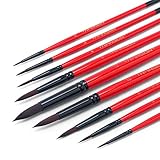
Overview: Transon’s specialized 9-piece round brush set focuses exclusively on the most versatile brush shape for detail-oriented work. Featuring synthetic sable hair that mimics natural kolinsky characteristics, this collection provides sizes 0 through 12, covering everything from precision lining to medium washes. Designed for watercolor, acrylic, gouache, ink, and tempera, it serves artists who prioritize control and finesse over shape variety.
What Makes It Stand Out: The synthetic sable formulation is the star—delivering remarkable snap, superior absorbency, and perfect spring-back that rivals natural hair without the ethical concerns or maintenance demands. The size range is intelligently curated, offering true detail brushes (0, 1, 2) alongside workhorse rounds (4, 8, 12). Nickel-plated aluminum ferrules resist corrosion, while the UV-painted solid wood handles provide precise control. The anti-shedding process ensures clean, consistent lines without stray bristles disrupting delicate work.
Value for Money: Positioned as an affordable specialty set, it offers tremendous value for detail-focused artists. Purchasing individual round brushes of comparable quality would cost significantly more. While limited in scope, it excels at its intended purpose, making it a smart secondary investment for artists who already own basic sets but require superior round brush performance.
Strengths and Weaknesses: Strengths include exceptional tip precision, excellent paint flow control, easy cleaning, corrosion-resistant ferrules, and comfortable ergonomic handles. The synthetic sable performs admirably across thin inks to heavy-body acrylics. Weaknesses are inherent in its specialization—artists needing flats or filberts must look elsewhere. The largest size (12) may still prove insufficient for large-scale washes, and the set lacks any storage solution. Some purists may detect subtle differences from genuine sable in the finest details.
Bottom Line: An indispensable addition for detail-oriented painters. Whether rendering botanical illustrations, portrait features, or intricate designs, this set delivers professional-grade precision at a fraction of natural hair cost, making it essential for any serious artist’s toolkit.
5. Winsor & Newton Foundation Synthetic Acrylic Brush Set, Short Handle, Round, Filbert & Flat, 6 Pack

Overview: Winsor & Newton’s Foundation set offers six short-handled synthetic brushes from one of art supply’s most trusted names. The package includes Round 3 & 6, Filbert 3 & 6, and Flat 10 & 14—basic shapes sized for acrylic painting. These white synthetic brushes prioritize durability and paint load capacity, designed specifically for acrylic color though compatible with oils. It represents the brand’s entry-level professional offering.
What Makes It Stand Out: The Winsor & Newton heritage provides immediate credibility and quality assurance. The short handle design offers superior control for tabletop and easel painting, particularly with acrylics’ fast-drying nature. The synthetic formulation balances stiffness for heavy-body paint with enough give for smooth application. The ferrule construction reflects the brand’s strict manufacturing standards, minimizing shedding and ensuring longevity that budget brands cannot match.
Value for Money: This set commands a premium price for only six brushes, making it one of the more expensive per-brush options. You’re paying partially for the prestigious name and quality control. While the construction is undeniably solid, competing brands offer more brushes with similar performance at lower cost. The value proposition hinges on brand loyalty and the peace of mind that comes with Winsor & Newton’s reputation rather than raw quantity or feature set.
Strengths and Weaknesses: Strengths include impeccable brand reputation, reliable construction, short-handle control for acrylic work, and consistent performance across the included shapes. The synthetic bristles clean easily and resist damage from acrylic solvents. Weaknesses are the extremely limited selection—six brushes restrict versatility, and the size gaps necessitate immediate supplementary purchases. No storage case is included. The short handles, while ideal for some, prove limiting for large canvas work where longer reach is beneficial.
Bottom Line: A quality-over-quantity choice for acrylic painters who trust the Winsor & Newton name. Best suited as a supplemental set or for artists who prioritize brand reliability over comprehensive variety, but most creators will need additional brushes to build a complete toolkit.
6. Soucolor Acrylic Paint Brushes Set, 20Pcs Round Pointed Tip Artist Paintbrushes for Acrylic Oil Watercolor Canvases Rock Body Face Nail Miniature Detailing Drawing Art Supplies

Overview: The Soucolor set delivers exceptional quantity with two packs of ten professional-grade brushes, totaling twenty pieces with round pointed tips. Designed for versatility across acrylic, oil, watercolor, and specialty applications like face painting and miniature detailing, this collection targets creative households where multiple artists share supplies. The blue wooden handles and nickel ferrules provide a traditional aesthetic while promising durability for various artistic pursuits.
What Makes It Stand Out: This set’s dual-pack configuration makes it uniquely suitable for siblings, classmates, or parent-child art sessions. The round pointed tip design excels at fine detail work, making it particularly valuable for miniature painting, nail art, and intricate canvas details. Beyond standard painting mediums, these brushes explicitly support body and face painting, expanding their utility for theatrical makeup, Halloween crafts, and children’s parties. The manufacturer emphasizes easy cleaning and bristle resilience, addressing common frustrations with budget brush sets.
Value for Money: Offering twenty brushes across ten sizes at a budget-friendly price point, this set represents outstanding value for beginners and intermediate artists. While individual brush quality may not match premium brands, the sheer quantity and versatility justify the investment, especially for families or educators needing multiple sets. The two-pack approach effectively halves the per-brush cost compared to purchasing individual professional brushes.
Strengths and Weaknesses: Strengths include exceptional quantity, versatile application range, easy maintenance, and family-friendly packaging. The round pointed tips are perfect for detail work. Weaknesses involve potential inconsistencies in bristle quality across such a large production run, and the nickel ferrules may not withstand heavy solvent use as well as copper alternatives. Advanced professionals might find the brush response too generic for specialized techniques.
Bottom Line: Ideal for families, art teachers, and beginner-to-intermediate painters seeking maximum versatility and quantity without breaking the bank. The Soucolor set excels as a shared resource for diverse creative projects, though dedicated professionals may eventually upgrade to specialized tools.
7. ARTIFY 25 Pieces Professional Paint Brush Set – Expert Series Synthetic Nylon Brushes for Acrylic, Oil, Watercolor, Gouache – No Shedding, Canvas Roll Case & Palette Knife, Artist Gifts Art Supplies

Overview: The ARTIFY Expert Series positions itself as a professional-grade solution with twenty-five meticulously selected synthetic nylon brushes. This comprehensive collection addresses the chronic issues of shedding and ferrule loosening through premium Korean-imported nylon and chrome-plated copper ferrules reinforced with industrial-grade adhesive. The inclusion of a palette knife and protective canvas roll elevates it beyond basic sets, targeting serious hobbyists and professionals.
What Makes It Stand Out: ARTIFY’s commitment to solving fundamental brush problems sets it apart. The Korean nylon bristles offer superior water absorption and elasticity, while the chrome-plated copper ferrules resist corrosion and remain secure through repeated cleaning. The thoughtfully curated selection includes twenty-five distinct shapes—from liners to fans—enabling virtually any painting technique. The waterproof, oil-proof nylon roll provides professional-level organization and portability, protecting your investment during transport.
Value for Money: While priced higher than entry-level sets, the ARTIFY collection justifies its cost through professional construction and comprehensive selection. The no-shedding guarantee and durable ferrules extend the lifespan significantly, reducing replacement frequency. Compared to purchasing individual brushes of similar quality, this set offers substantial savings, making it a smart long-term investment for developing artists.
Strengths and Weaknesses: Strengths include exceptional build quality, zero shedding, diverse brush selection, professional storage, and premium materials throughout. The palette knife adds versatility. Weaknesses center on the synthetic feel that some purists may miss compared to natural hair, and the initial cost may deter absolute beginners. The extensive selection could overwhelm newcomers unfamiliar with each brush’s purpose.
Bottom Line: A top-tier choice for serious artists ready to invest in reliable, long-lasting tools. The ARTIFY set eliminates common frustrations while providing professional versatility, making it worth every penny for committed painters.
8. Paint Brushes Set of 24 Pieces Wooden Handles Brushes with Canvas Brush Case, Professional for Oil, Acrylic and Watercolor Painting
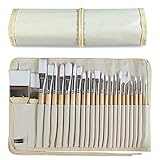
Overview: This twenty-four-piece collection delivers a straightforward, professional-oriented brush set with natural wood handles and nylon bristles. The comprehensive assortment includes fan, bright, detailed, round, mop, and angle brushes, covering fundamental techniques across oil, acrylic, and watercolor mediums. The included canvas case emphasizes portability and organization, making this an accessible option for students and plein air painters seeking reliable basics without premium pricing.
What Makes It Stand Out: The set’s balanced approach focuses on essential brush types without overwhelming users with obscure variations. The natural wood handles provide a comfortable, traditional feel that many artists prefer over plastic alternatives. The canvas case offers practical protection and easy transport, addressing the common problem of brush damage during travel. Its “quality ensure” promise suggests rigorous quality control, appealing to buyers seeking reliability over flashy marketing.
Value for Money: Positioned as a mid-range option, this set offers excellent value through its comprehensive selection and protective case. The twenty-four brushes provide variety comparable to more expensive sets, while the canvas case adds value typically sold separately. For art students or hobbyists building their first serious collection, it delivers professional functionality without the premium price tag of high-end brands.
Strengths and Weaknesses: Strengths include comprehensive brush variety, comfortable wood handles, protective canvas case, and solid value proposition. The inclusion of mop brushes is a nice touch for watercolorists. Weaknesses include generic nylon bristles that may lack the refined performance of premium synthetics, and the simple canvas case lacks the waterproofing of higher-end rolls. Limited information on ferrule quality raises durability questions.
Bottom Line: A solid, no-nonsense choice for students and intermediate artists seeking a complete brush collection with portable storage. It delivers essential functionality and organization at a reasonable price, ideal for everyday painting practice.
9. 14pcs Acrylic Paint Brushes, Professional Synthetic Bristles Paint Brush Set with Extra Palette Knife - Flat, Filbert, Fan, Dagger, Round, Angle, Rigger Paint Brushes for Oil, Acrylic Canvas Paintings

Overview: This fourteen-piece professional set prioritizes ergonomic design and synthetic bristle performance for serious acrylic and oil painters. Featuring a curated selection including dagger and rigger brushes alongside traditional shapes, it targets artists who value comfort during extended sessions. The birch wood handles are shaped to fit the hand’s natural curves, while double-crimped copper ferrules ensure longevity. The included palette knife and canvas roll complete a travel-ready professional package.
What Makes It Stand Out: Ergonomic engineering distinguishes this set, with handles specifically contoured to reduce hand fatigue during long painting sessions. The synthetic bristles maintain excellent shape retention and paint load capacity while resisting bending under pressure. Unique inclusions like the dagger brush for expressive strokes and the rigger for fine lines demonstrate thoughtful curation for specific techniques. The double-crimped ferrules provide extra security rarely seen in sets at this price point.
Value for Money: This set punches above its weight class by offering professional features—ergonomic handles, secure ferrules, specialty brushes—at a mid-range price. The inclusion of a palette knife and canvas roll adds significant value. While containing fewer brushes than some competitors, the quality-per-brush ratio is excellent, making it a smart investment for artists who prioritize performance over quantity.
Strengths and Weaknesses: Strengths include superior ergonomics, secure double-crimped ferrules, excellent synthetic bristle quality, specialty brush shapes, and comfortable portability. The birch handles feel premium. Weaknesses include the smaller fourteen-brush count limiting variety, and the ergonomic shaping may not suit every hand size perfectly. Some artists might prefer more size options within each brush type.
Bottom Line: Perfect for dedicated painters who spend hours at the easel and value comfort as much as performance. The ergonomic design and secure construction make it a worthwhile investment for serious artists.
10. Brusarth Paint Brushes Set, 14 PCS Artist Brush for Acrylic Oil Watercolor Gouache Artist Professional Painting Kits with Synthetic Nylon Tips

Overview: The Brusarth fourteen-piece set delivers a focused collection of synthetic nylon brushes designed for versatility across multiple mediums. With a deliberate selection including cat’s tongue and angular brushes alongside traditional rounds and flats, it serves hobbyists and professionals seeking reliable performance without excessive variety. The synthetic tips promise consistent paint delivery and easy maintenance, making this an accessible option for artists exploring different painting styles.
What Makes It Stand Out: The inclusion of a cat’s tongue brush—a versatile filbert-flat hybrid—demonstrates thoughtful curation for artists who appreciate multi-functional tools. The set balances specialty shapes with everyday essentials, preventing the overwhelm of larger collections. Emphasizing stain-free performance across diverse surfaces (fabric, canvas, wood), it appeals to mixed-media artists. The clear sizing system (numbered brushes) helps users quickly identify the right tool, a practical touch often overlooked in budget sets.
Value for Money: This mid-priced set offers strong value through its quality synthetic bristles and curated selection. Fourteen brushes provide sufficient variety for most techniques without redundant sizes. The durability of synthetic nylon ensures longevity, reducing replacement costs. For artists transitioning from beginner sets, it offers noticeable performance improvements without the steep investment of premium brands, hitting a sweet spot of affordability and quality.
Strengths and Weaknesses: Strengths include versatile brush selection, synthetic nylon durability, clear sizing, multi-surface compatibility, and gift-ready presentation. The cat’s tongue brush adds unique utility. Weaknesses include limited brush count compared to value-focused sets, and the lack of included storage solution means additional purchase for portability. The synthetic feel may not satisfy artists preferring natural hair’s texture.
Bottom Line: An excellent step-up set for developing artists seeking quality over quantity. The Brusarth collection provides reliable, versatile tools that perform well across mediums, making it a smart choice for dedicated hobbyists.
Why Choose Synthetic Brushes for Acrylic Painting?
The Science Behind Synthetic-Acrylic Compatibility
Acrylic paint behaves differently than any other medium. It dries through evaporation, forms a permanent plastic film, and can transform from fluid ink to heavy impasto within the same painting session. Natural hair brushes, with their delicate cuticles and porous structures, were never designed for this chemical environment. They absorb water unevenly, causing them to swell and lose their precision, while the paint itself can become lodged in the hair shaft, leading to premature wear.
Synthetic filaments, by contrast, are non-porous and chemically inert. They don’t absorb water, meaning they maintain their original shape and snap regardless of how diluted your acrylics become. The engineered surface of quality synthetic bristles allows acrylic paint to release smoothly and completely, giving you precise control over every stroke. This compatibility isn’t accidental—decades of polymer science have gone into creating filaments that respond to acrylics the way natural hair responds to watercolor.
Environmental and Ethical Considerations
The synthetic brush conversation extends beyond performance into ethical territory. No animals are involved in their production, making them an inherently cruelty-free choice. For artists who’ve grown increasingly conscious of their supply chain impact, this offers peace of mind without compromise. Additionally, synthetic brushes eliminate the variability that comes with natural materials—each brush performs consistently with its siblings, allowing you to replace a favorite tool with confidence that the new one will behave identically.
Performance Advantages Modern Synthetics Offer
Today’s high-end synthetic brushes deliver capabilities that natural hair simply cannot match. They’re engineered with microscopic texturing along the filament surface that improves paint pickup and release. Many feature tapered tips that mimic the finest sable while maintaining the strength of hog bristle. The result? Brushes that can lay down a glass-smooth wash, then pivot to create razor-sharp details, all while resisting the chemical abrasion that would destroy natural hair within months of regular acrylic use.
Understanding Brush Anatomy: What Matters Most
The Bristle Head: Heart of the Brush
The business end of your brush determines everything about its performance. Bristle density—how many individual filaments are packed into the ferrule—directly impacts paint capacity and stroke control. A densely packed brush holds more paint and maintains its shape under pressure, while a lighter packing creates a more flexible, responsive tip. Look for brushes where the bristles are secured deep within the ferrule, not just glued at the edge. This depth, often called the “belly” of the brush, provides the reservoir that feeds paint to the tip during long strokes.
The Ferrule: Critical Connection Point
That metal band connecting bristles to handle does far more than look professional. A quality ferrule prevents water and paint from seeping into the handle, where they can cause swelling, cracking, and eventually complete brush failure. The ferrule’s construction determines whether your brush will shed bristles or maintain its shape after hundreds of paintings. Pay attention to the crimping—the indentations that secure the ferrule to the handle. Double or triple crimping indicates a manufacturer that prioritizes longevity over speed of production.
The Handle: Your Creative Control Center
Handle ergonomics directly affect your stamina during marathon painting sessions. The weight distribution between handle and bristle head influences how the brush feels in your hand and how easily you can execute different techniques. A well-balanced brush becomes an extension of your fingers, while a poorly balanced one creates hand fatigue and reduces precision. The handle’s finish matters too—matte textures provide better grip when your hands are wet, while glossy lacquers can become slippery.
Synthetic Bristle Materials Decoded
Taklon and Its Variants
Taklon remains the gold standard for synthetic brush filaments, though not all Taklon is created equal. Originally developed as a medical fiber, Taklon is extruded from polyester that’s been tapered and texturized. Golden Taklon offers slightly more stiffness, making it ideal for heavy-body acrylics and textured applications. White Taklon provides softer, more flexible performance perfect for fluid acrylics and glazing. The latest generation, often called “Catalyst” or “Silvertip,” features advanced texturing that mimics the microscopic structure of natural hair, delivering exceptional paint pickup without sacrificing durability.
Nylon and Polyester Blends
Budget-friendly brushes often use straight nylon or simple polyester filaments. While these materials work adequately for craft applications, they lack the sophisticated engineering of premium synthetics. They tend to be either too stiff, creating visible brush strokes where you don’t want them, or too soft, collapsing under pressure and losing their shape. However, some manufacturers blend these materials strategically, combining nylon’s durability with polyester’s flexibility to create mid-range brushes that offer surprising performance for their price point.
Advanced Synthetic Filaments
The cutting edge of brush technology includes filaments infused with microscopic abrasives that help scrub paint from the bristles during cleaning, extending brush life. Others feature hollow cores that increase paint capacity while reducing overall weight. Some premium lines even use filaments with varying diameters within the same brush, creating a more natural taper and improved snap. These innovations represent the intersection of materials science and artistic tradition, giving acrylic painters tools that natural hair never could.
Brush Shapes and Their Acrylic Applications
Round Brushes: The Versatile Workhorse
Round brushes deserve their reputation as the most versatile shape in your arsenal. A quality synthetic round can pivot from filling small areas with precision to creating delicate lines with just a change in pressure. For acrylics, look for rounds with a strong belly that tapers to a fine point. This shape allows you to load substantial paint while maintaining control. The key is finding one with enough snap to return to its point after each stroke but sufficient flexibility to prevent hand fatigue during extended use.
Flat and Bright Brushes: Bold Strokes and Sharp Edges
Flat brushes, with their square-ended bristles, excel at laying down clean, straight edges and filling large areas efficiently. Brights are simply flats with shorter bristles, offering more control and stiffness for thicker paint applications. In synthetic versions, these shapes truly shine because the filament consistency ensures every bristle meets the canvas simultaneously, creating razor-sharp edges that natural hair struggles to maintain. For acrylic impasto techniques, a synthetic bright can move heavy paint without the bristles splaying or breaking.
Filbert and Oval Washes: The Blending Masters
The filbert’s rounded-oval shape combines the precision of a round with the coverage of a flat, making it perfect for blending and creating soft edges. Synthetic filbers maintain their shape exceptionally well, preventing the “hooking” that can occur when natural hair wears unevenly. Oval wash brushes, essentially oversized filberts, excel at covering large areas with smooth, consistent color. Their synthetic construction ensures they don’t lose hairs during broad washes, a common frustration with natural alternatives.
Fan and Angle Brushes: Specialty Techniques
Fan brushes, with their spread bristles, create textured effects and blend colors directly on the canvas. Synthetic fans resist the clumping that plagues natural hair when working with fast-drying acrylics. Angle brushes, cut at a diagonal, offer unique applications—creating multiple line widths with a single tool, reaching into corners, and executing precise calligraphic strokes. Their synthetic construction maintains the sharp angle through repeated use and cleaning.
Brush Sizes: Navigating the Numbering System
Understanding Standard Sizing Conventions
Brush sizing follows a maddeningly inconsistent system that varies by manufacturer and even by brush shape. Generally, sizes run from 0000 (extremely fine) through 24 or larger (quite broad). However, a size 6 round from one brand might be nearly identical to a size 4 from another. This inconsistency exists because sizing traditionally referred to the ferrule’s width, not the bristle length or overall brush head size.
When Size Numbers Lie: What to Watch For
Rather than trusting numbers alone, develop an eye for actual measurements. Compare brush heads side-by-side, noting the width of the ferrule opening and the length of the bristles from ferrule to tip. For online purchases, check the manufacturer’s specifications for actual millimeter measurements. Many premium brands now provide detailed sizing charts that show the exact dimensions of each brush. Remember that acrylic painting often requires working larger than watercolor, so don’t be afraid to invest in bigger brushes than you initially think necessary.
Ferrule Quality: The Unsung Hero of Durability
Brass vs. Aluminum Ferrules
Brass ferrules offer superior strength and corrosion resistance compared to aluminum, making them the professional standard. They’re less likely to dent if dropped and maintain their grip on bristles through repeated cleaning. Aluminum ferrules, while lighter and cheaper, can oxidize and weaken over time, especially with exposure to acrylic mediums and repeated water immersion. Some manufacturers use nickel-plated brass, combining the strength of brass with a corrosion-resistant finish that also looks sophisticated.
Crimping and Construction Quality
Examine how the ferrule attaches to the handle. Quality brushes feature deep, clean crimps that compress both the ferrule and the handle material, creating a mechanical bond that glue alone cannot match. The best brushes hide this crimping under a seamless lacquer finish, preventing water from seeping into the tiny gaps. Avoid brushes where the ferrule feels loose or where you can see gaps between metal and handle—these are destined for early failure.
Handle Types and Ergonomics
Short vs. Long Handles: Choosing for Your Style
Short handles excel for table-top painting and detail work, bringing your hand closer to the canvas for precise control. Long handles, traditional for easel painting, allow you to step back and paint with your whole arm, creating more gestural, expressive marks. For acrylics, consider your working method. If you paint flat on a table or work primarily on small canvases, short handles provide better leverage. If you work upright at an easel, long handles help maintain proper posture and viewing distance.
Material Matters: Wood, Plastic, and Lacquered Options
Raw wood handles absorb moisture and can swell, crack, or rot over time. Lacquered wood handles provide protection but can become slippery. Some manufacturers use multiple coats of matte varnish, offering protection without the slickness. Plastic and composite handles, once considered cheap alternatives, now appear on premium brushes because they eliminate moisture issues entirely and can be molded with ergonomic contours. The weight difference is noticeable—plastic handles reduce overall brush weight, reducing fatigue during long sessions.
The Great Stiffness Debate: Soft vs. Firm Bristles
Matching Stiffness to Painting Technique
Your painting style should dictate bristle stiffness, not the other way around. Heavy-body acrylic artists working with palette knives and impasto techniques need firm bristles that can move thick paint without collapsing. Fluid acrylic painters creating watercolor-like washes require softer bristles that glide across the canvas without leaving texture. The beauty of modern synthetics is the spectrum available—you can find brushes specifically engineered for every point along this stiffness continuum.
Snap and Spring: What These Terms Really Mean
“Snap” refers to how quickly a brush returns to its original shape after being bent. “Spring” describes the resistance you feel as you press the brush to the canvas. Quality synthetics offer remarkable snap without feeling stiff or unnatural. This characteristic is crucial for acrylics because fast-drying paint can create drag on the canvas. A brush with good snap maintains its shape stroke after stroke, while poor snap leads to splayed bristles and unpredictable marks. Test snap by wetting the brush and pulling it across your palm—you should feel a clean, quick return to shape.
Maintenance and Care: Maximizing Brush Longevity
The Immediate Post-Painting Routine
Acrylic paint becomes permanent when dry, so immediate cleaning isn’t just recommended—it’s essential. Never let acrylic paint dry on your brushes. Rinse thoroughly under lukewarm water, working the bristles gently with your fingers until the water runs clear. Avoid hot water, which can soften the ferrule glue and cause shedding. For stubborn paint near the ferrule, use a brush cleaning mat or your palm to work the bristles in a circular motion.
Deep Cleaning Synthetic Bristles
Even with diligent rinsing, acrylic medium can build up in the belly of the brush over time. Monthly deep cleaning restores performance. Use a mild soap or specialized brush cleaner, working it into the bristles and rinsing thoroughly. For severe buildup, a tiny amount of rubbing alcohol can break down dried acrylic, but use sparingly—it can dry out the filament coating. Never soak brushes ferrule-down in water or cleaner; this dissolves the adhesive and causes bristle loss.
Storage Solutions That Prevent Damage
Store brushes either flat or bristle-up in a container. Avoid cramming them into a jar where bristles bend against each other. For travel, use brush rolls that keep each brush separate and protected. Consider reshaping damp bristles and allowing them to dry completely before storage—this prevents mildew and maintains the brush’s intended shape. Some artists use brush preservers, light wax-based compounds that coat the bristles and maintain their shape during storage.
Budget vs. Professional: Understanding Price Tiers
What You Get at Each Price Point
Entry-level synthetic brushes ($2-$5 each) use basic nylon filaments and simple construction. They’re fine for learning but will likely shed, lose shape, and need replacement within months. Mid-range brushes ($8-$15) introduce better filament engineering, improved ferrules, and more consistent construction. Professional brushes ($20-$40+) feature advanced synthetic filaments, brass ferrules, balanced handles, and rigorous quality control. The performance difference is immediately noticeable in paint release, edge precision, and longevity.
When to Invest vs. When to Save
Invest in the shapes you use daily. If you paint primarily with filberts, buy the best synthetic filberts you can afford. For specialty shapes you use occasionally—fan brushes, for example—mid-range options suffice. Beginners should start with three quality brushes rather than twenty cheap ones. You can always add to your collection as your technique develops and you understand your preferences. Remember that a $30 brush that lasts five years costs less per painting than a $5 brush replaced quarterly.
Specialty Synthetic Brushes Worth Considering
Mottlers and Varnish Brushes
Mottlers are wide, flat brushes with long, flexible bristles designed for covering large areas and applying varnish. Synthetic mottlers excel at laying down smooth, streak-free varnish layers because they don’t shed hairs into your final coat. Their construction allows them to hold a surprising amount of fluid, making them equally valuable for large acrylic washes and priming canvases.
Riggers and Script Liners for Fine Detail
These long, thin brushes specialize in continuous lines and fine details. The synthetic versions maintain their needle-like points far longer than natural hair, which tends to fray with acrylic use. Their secret lies in the bristle length-to-width ratio—a long belly holds enough paint for extended lines without reloading, while the tapered tip creates hairline details. For signing paintings or adding intricate elements, a quality synthetic rigger is indispensable.
Mop Brushes for Washes and Glazing
Synthetic mop brushes combine soft, absorbent filaments with a full, rounded shape. Unlike their natural counterparts, they don’t have a breaking-in period and maintain their shape through hundreds of cleanings. They’re perfect for applying large, even washes of fluid acrylic or creating soft-edged backgrounds. The best synthetic mops have a slight stiffness that prevents complete collapse, allowing you to lift color as well as apply it.
Common Mistakes When Choosing Acrylic Brushes
Overlooking Bristle Density
Many artists focus on shape and size while ignoring how tightly packed the bristles are. Sparse brushes hold less paint and create inconsistent strokes. Test density by pressing the dry brush against your palm—a dense brush will resist compression and spring back immediately. With synthetics, you want enough space between filaments for paint to flow, but not so much that the brush feels hollow or loses its shape under pressure.
Ignoring the Impact of Water Content in Acrylics
Your acrylic painting style directly impacts brush selection. Artists who use acrylics like watercolor, with lots of water and thin glazes, need softer synthetics that won’t create unwanted texture. Those who paint with minimal water, using paint straight from the tube, require stiffer bristles that can manipulate heavy-body paint. Buying brushes without considering your water-to-paint ratio is like buying shoes without knowing your size.
Buying Sets vs. Individual Brushes
Brush sets offer apparent value but often include shapes you’ll never use while skimping on the ones you need most. Manufacturers frequently package lower-tier brushes in attractive sets, banking on the appeal of quantity over quality. You’re better off selecting three or four individual brushes perfectly suited to your style than a twenty-brush set where half will sit unused. The exception is sets specifically curated for acrylic painting by reputable manufacturers, which sometimes offer genuine value.
Testing Brushes Before You Buy
In-Store Testing Techniques
When evaluating brushes in person, run through a quick assessment. First, inspect the ferrule for gaps and loose bristles. Then, wet the brush thoroughly and flick it gently—shedding indicates poor construction. Press the wet brush against your palm and observe how it springs back. Finally, pull it across your skin to feel how smoothly it releases water. The brush should feel responsive, not mushy or stiff. Check the tip under good lighting—it should come to a clean point or crisp edge without stray hairs.
What to Look for in Online Purchases
Without physical access, rely on detailed product descriptions and artist reviews. Look for specific mentions of filament type, ferrule material, and handle construction. High-quality product photos showing the brush head close-up can reveal construction details. Check return policies—reputable sellers understand that brushes are personal tools and offer satisfaction guarantees. Read reviews from verified purchasers who mention using the brushes specifically with acrylics, as their experience will be most relevant to your needs.
Building Your Starter Collection
The Essential Five-Brushes Starter Kit
Start with these versatile shapes: a size 8 round for detail work, a size 12 flat for bold strokes and filling, a size 6 filbert for blending and soft edges, a size 2 rigger for fine lines, and a 1-inch oval wash for backgrounds and glazes. This collection covers 95% of acrylic painting techniques. Choose mid-range to professional quality in these core shapes—they’ll see the most use and their performance will shape your developing technique.
Expanding Your Collection Strategically
Once you’ve mastered the basics, add brushes that solve specific problems in your work. Struggling with large backgrounds? Add a mottler. Need more texture? Experiment with a fan brush. Finding your signature style will reveal which specialty shapes deserve investment. Many professional artists eventually settle on just three or four favorite brushes they use for everything, proving that quality trumps quantity every time.
Frequently Asked Questions
What’s the difference between synthetic and natural brushes for acrylics?
Synthetic brushes are engineered from man-made filaments like Taklon, nylon, or polyester, making them non-porous and resistant to the chemicals in acrylic paint. Natural brushes absorb water, which causes them to swell and lose shape when used with acrylics. Synthetics maintain consistent performance, don’t shed hairs into your work, and are cruelty-free. They’re specifically designed to handle acrylic’s fast drying time and plastic-based formula without deteriorating.
How often should I replace my synthetic acrylic brushes?
With proper care, quality synthetic brushes can last five to ten years of regular use. Replace them when they lose their snap and spring, develop permanent bends or splaying, or shed bristles consistently. Mid-range brushes might need replacement every two to three years, while cheap craft brushes may last only a few months. The key is maintenance—immediate cleaning after use significantly extends lifespan regardless of price tier.
Can I use the same synthetic brushes for oils and acrylics?
Technically yes, but it’s not recommended. Oil paints require solvents that can leave residue in the bristles, affecting how acrylics flow. Conversely, acrylic medium can contaminate oil paintings. If you must share brushes, clean them meticulously between mediums using appropriate solvents, then wash with soap and water. Most artists prefer dedicated brushes for each medium to avoid cross-contamination and because oil painting often requires stiffer bristles than acrylic work.
Why do my synthetic brushes splay after a few uses?
Splaying usually results from paint drying in the ferrule, improper cleaning, or buying low-quality brushes. Acrylic paint trapped near the ferrule base acts like glue, forcing bristles apart. Clean brushes thoroughly, especially near the ferrule, and never let paint dry on them. Cheap brushes with poor ferrule construction also splay because the bristles aren’t properly secured. Invest in better brushes and maintain them rigorously to prevent this issue.
What’s the best way to store synthetic brushes between painting sessions?
For short breaks (hours), rest brushes bristle-up in a water container with just the tips submerged. For overnight storage, clean them thoroughly, reshape the bristles, and lay them flat to dry completely. Once dry, store bristle-up in a jar or container where they don’t touch each other. Avoid airtight containers until brushes are fully dry to prevent mildew. For travel, use brush rolls that keep each brush separate and protected.
Are expensive synthetic brushes really worth the cost?
Yes, for serious acrylic painters. Premium synthetics use advanced filaments that hold more paint, release it more smoothly, and maintain their shape through hundreds of cleanings. They feature brass ferrules that won’t corrode and balanced handles that reduce fatigue. The per-painting cost is lower because they last years instead of months. However, beginners can start with mid-range brushes to develop technique before investing in professional tools.
How do I know if a synthetic brush is good quality before buying?
Check the ferrule for tight crimping and no gaps. Gently tug on the bristles—none should come loose. Wet the brush and test its snap by bending it against your palm; it should spring back quickly to its original shape. The tip should come to a clean point or edge without stray hairs. For online purchases, read reviews from acrylic painters and check the return policy. Reputable brands provide detailed specifications about filament type and construction.
Can synthetic brushes create the same effects as natural hair?
Modern synthetics can replicate—and often exceed—most natural hair effects. Advanced filaments mimic sable’s softness for washes, hog bristle’s stiffness for texture, and mongoose’s versatility for general work. The key is selecting the right synthetic for your technique. While purists might notice subtle differences in how paint flows, most acrylic painters achieve identical results with quality synthetics, plus gain benefits like cruelty-free production and consistent performance.
What’s the difference between Taklon and other synthetic filaments?
Taklon is a specific type of extruded polyester filament that’s been tapered and texturized to mimic natural hair. It’s more responsive than basic nylon, with better paint pickup and release. “Other synthetics” might include straight nylon (stiffer, less paint capacity) or advanced engineered filaments with microscopic texturing or hollow cores. Taklon remains the most common premium synthetic because of its proven performance, but newer materials offer specialized advantages for specific techniques.
Should I buy brushes individually or in sets?
Buy individually when starting out. Sets often include shapes you won’t use and may feature lower-quality brushes packaged for mass appeal. Choose three to five essential shapes in quality you can afford. Once you know your painting style, you can add specialty brushes individually. The only sets worth considering are those curated specifically for acrylic painting by reputable manufacturers, and even then, inspect the included shapes to ensure they match your needs. Quality over quantity always wins.