Table of Contents
There’s something almost magical about watching a watercolor gradient unfold on paper—the way ultramarine melts into cerulean, or how a sunset wash seems to glow from within. But here’s the truth that seasoned artists know: those breathtaking transitions don’t come from talent alone. The secret lies in having the right brush in your hand. The wrong tool will fight you at every stroke, leaving harsh lines and patchy color, while the perfect brush becomes an extension of your creative vision.
In 2026, watercolor brush technology has evolved dramatically, offering artists unprecedented control over their washes and gradients. Whether you’re a beginner dreaming of seamless skies or a professional perfecting atmospheric perspective, understanding what makes a brush excel at these specific techniques will transform your work. This guide cuts through the marketing hype and dives deep into the features, materials, and design elements that truly matter.
Top 10 Watercolor Brushes For Washes
Detailed Product Reviews
1. Princeton Velvetouch Wash Brush, Synthetic, Short Handle, Size 1 inch, 1 Count

Overview: The Princeton Velvetouch Wash Brush is a versatile 1-inch synthetic brush designed for multiple media types including watercolor, gouache, oil, and acrylic. Its short handle provides excellent control for detail work and close-up painting sessions. As part of Princeton’s premium Velvetouch line, this brush combines luxury synthetic filaments with ergonomic design for serious artists.
What Makes It Stand Out: The unique multi-filament blend sets this brush apart, offering exceptional color-holding capacity and resilient spring that rivals natural hair. The signature Velvetouch handle, crafted from FSC-certified wood, delivers superior comfort during extended painting sessions. Unlike single-media brushes, this wash brush confidently transitions between water-based and oil-based mediums without compromising performance.
Value for Money: Priced in the mid-to-high range for synthetic brushes, the Velvetouch justifies its cost through exceptional durability and versatility. A single brush that performs reliably across four different paint types eliminates the need for multiple specialized brushes, making it economical for artists working in mixed media. Comparable natural hair wash brushes cost 2-3 times more.
Strengths and Weaknesses: Strengths include outstanding color load capacity, comfortable ergonomic handle, versatile media compatibility, and excellent shape retention. The synthetic filaments clean easily and resist damage from solvents. Weaknesses: The 1-inch size may be too small for large wash areas, and the short handle limits reach for easel work. Single-brush purchase requires separate investment in other shapes.
Bottom Line: Ideal for mixed media artists seeking one high-quality wash brush that excels across multiple paint types. The Princeton Velvetouch delivers professional performance and comfort, making it a worthwhile investment for serious hobbyists and professionals.
2. Princeton Aqua Elite, Series 4850, Synthetic Kolinsky Watercolor Paint Brush,Mottler, 1-1/2 Inch

Overview: The Princeton Aqua Elite Series 4850 Mottler is a professional-grade 1.5-inch watercolor brush featuring advanced synthetic Kolinsky hair. Engineered to mimic the performance of rare natural Kolinsky sable, this brush delivers exceptional water and pigment capacity for large washes and broad strokes with precision control.
What Makes It Stand Out: Princeton’s innovative synthetic filament technology nearly indistinguishably replicates natural Kolinsky hair’s performance while offering ethical, sustainable advantages. The mottler shape holds oceans of color and releases it with remarkable consistency, enabling smooth, even washes without unwanted streaking. The fine point and tapered edge allow surprising detail work despite its width.
Value for Money: Positioned at the premium end of synthetic brushes, the Aqua Elite costs significantly less than genuine Kolinsky sable while delivering 90% of the performance. For watercolorists seeking natural-hair quality without ethical concerns or maintenance demands, this represents excellent value. The brush’s durability ensures years of reliable service, amortizing the initial investment.
Strengths and Weaknesses: Strengths include massive color load capacity, exceptional point control, ethical synthetic alternative, and smooth paint release. The brush maintains its shape beautifully and cleans effortlessly. Weaknesses: The 1.5-inch size limits versatility for detail work, and the price point may deter beginners. Specialized for watercolor only, unlike more versatile mixed-media brushes.
Bottom Line: A must-have for dedicated watercolor artists who demand natural-hair performance with synthetic convenience. The Princeton Aqua Elite Mottler excels at large, luminous washes and justifies its premium price through superior engineering and ethical craftsmanship.
3. ARTEGRIA Watercolor Brush Set, 10 Professional Soft Synthetic Squirrel Paint Brushes, Including Pointed Rounds, Flats, Dagger, Oval Wash
, Including Pointed Rounds, Flats, Dagger, Oval Wash](https://m.media-amazon.com/images/I/51to4vCGa1L._SL160_.jpg)
Overview: The ARTEGRIA 10-Brush Watercolor Set provides a comprehensive collection of professional synthetic squirrel brushes for diverse techniques. This versatile kit includes six pointed rounds, a dagger striper, oval wash, and two flats, covering everything from fine details to broad washes. The set caters to artists at all skill levels with quality craftsmanship.
What Makes It Stand Out: The extensive shape variety in a single package eliminates guesswork for artists building their brush collection. Soft synthetic squirrel bristles offer impressive liquid-holding capacity rivaling natural squirrel hair. The thoughtful inclusion of a storage tube, velvet travel bag, mini guide, and ebook adds exceptional value, providing proper storage solutions and educational resources rarely bundled with brush sets.
Value for Money: This set delivers remarkable value, offering ten professional-quality brushes with accessories at a price point typically charged for 3-4 individual premium brushes. The synthetic construction provides durability and easy maintenance that natural hair cannot match. For beginners, it removes the confusion of individual brush selection, while professionals gain a versatile travel set without premium costs.
Strengths and Weaknesses: Strengths include excellent shape variety, superior liquid absorption, no shedding with double-crimped ferrules, lightweight balanced handles, and comprehensive accessories. The synthetic squirrel performs admirably across techniques. Weaknesses: Some advanced artists may prefer specific shapes not included, and the brushes may lack the ultimate spring of top-tier synthetic Kolinsky. The included guide is basic.
Bottom Line: An outstanding starter or expansion set for watercolor enthusiasts. ARTEGRIA bundles quality, variety, and thoughtful accessories at an unbeatable price, making it ideal for artists seeking reliable performance without premium costs.
4. ARTEGRIA Watercolor Brush Set, 9 Professional Soft Synthetic Squirrel Paint Brushes, Including Round Detailers, Flat Wash, Rigger, Rake, Fan, Angled Shader
, Including Round Detailers, Flat Wash, Rigger, Rake, Fan, Angled Shader](https://m.media-amazon.com/images/I/512D-FYDfFL._SL160_.jpg)
Overview: The ARTEGRIA 9-Brush Watercolor Set offers a curated selection of synthetic squirrel brushes optimized for specific techniques. This collection includes four round detailers, a rigger, fan, flat wash, angled shader, and rake, providing specialized tools for texture, fine lines, and broad applications. Designed for versatility across skill levels.
What Makes It Stand Out: The set’s focus on specialty shapes like the rake and fan distinguishes it from standard round-dominated sets, enabling advanced texturing techniques straight out of the box. The synthetic squirrel bristles deliver consistent flow and impressive paint capacity. Like its 10-brush sibling, it includes premium accessories: storage tube, velvet bag, mini guide, and ebook, offering complete organizational and learning solutions.
Value for Money: This nine-brush set provides excellent value, positioning itself similarly to the 10-brush version with a slightly different shape selection. The specialized brushes would cost considerably more purchased individually. The included accessories add $15-20 of value, making this an economical choice for artists wanting to experiment with advanced techniques without investing in separate specialty brushes.
Strengths and Weaknesses: Strengths include unique shape variety for texture work, excellent absorption, durable construction with double-crimped ferrules, comfortable lightweight handles, and valuable accessories. The synthetic hair resists shedding and maintains shape well. Weaknesses: Lacks smaller round sizes for ultra-fine detail, and the 2-inch flat wash may be too large for smaller works. The rake and fan have limited daily use for some artists.
Bottom Line: Perfect for intermediate to advanced watercolorists seeking specialty shapes beyond basic rounds and flats. ARTEGRIA’s 9-brush set delivers targeted tools and premium accessories at a price that encourages creative experimentation.
5. Royal & Langnickel - 3 Pack Golden Taklon Paint Brushes, Assorted Sizes

Overview: The Royal & Langnickel 3-Pack Golden Taklon Brushes provides economical, wide-format tools in 1-inch, 2-inch, and 3-inch sizes. Designed for acrylics, watercolors, varnishes, and adhesives, these brushes feature sturdy hardwood handles and soft golden Taklon bristles. The set targets artists needing broad coverage tools across multiple media on a budget.
What Makes It Stand Out: The generous size range covers most large-area application needs in one affordable package. The hanging holes in handles facilitate easy drying and storage, a practical feature often overlooked in budget brushes. Golden Taklon offers hygienic advantages over natural hair, resisting bacterial growth and cleaning thoroughly. The multi-size pack eliminates the need to purchase individual wide brushes separately.
Value for Money: This budget-friendly set delivers exceptional value, typically priced below a single mid-range brush. For artists needing basic wash or varnish brushes, it provides three functional tools at an entry-level price point. While not professional-grade, the performance-to-price ratio is outstanding for students, hobbyists, and craft applications. Comparable individual brushes would cost 2-3 times more.
Strengths and Weaknesses: Strengths include unbeatable price, practical size variety, hygienic synthetic bristles, hanging holes for storage, and versatility across media. The soft bristles produce smooth strokes suitable for varnishing and washes. Weaknesses: Limited shape variety (only flat widths), lower durability than premium synthetics, potential for bristle splaying with heavy use, and lack of fine detail capability. Not suitable for precision work.
Bottom Line: An excellent budget option for beginners, students, and craft painters needing basic wide brushes. The Royal & Langnickel set delivers functional performance at an accessible price, making it ideal for learning and utility applications where precision is secondary.
6. Watercolor Brushes Professional, Fuumuui 8Pcs Sable Paint Brush Set Variety Shapes with Flat, Round Pointed, Cat’s Tongue Oval Wash Perfect for Watercolor Acrylic Gouache Inks Painting

Overview: The Fuumuui 8-piece sable brush set delivers professional-grade tools for watercolor, acrylic, and gouache enthusiasts. This collection includes pointed rounds, flats, and cat’s tongue oval wash brushes, offering versatility for techniques ranging from fine details to broad washes. Designed for artists at any skill level, the set balances quality construction with user-friendly features that immediately elevate painting results.
What Makes It Stand Out: Natural sable hair provides exceptional color carrying capacity and flow control, releasing pigment smoothly and consistently. The short, ergonomic handles crafted from FSC-certified wood reduce hand fatigue during extended sessions while offering superior grip and precision. Nickel-plated brass ferrules prevent corrosion and shedding, ensuring longevity. This combination of premium materials makes it particularly appealing for artists seeking authentic performance without exorbitant cost.
Value for Money: While genuine sable commands a premium, this eight-brush set undercuts competitors by 30-40% without sacrificing core quality. Comparable sets from established brands retail for $60-80, making this an accessible entry point into natural hair brushes. The durable construction means replacement costs stay low over time, offsetting the initial investment within months of regular use.
Strengths and Weaknesses: Strengths include superior color load, precise control, comfortable short handles, and robust ferrules. The natural hair performs beautifully with fluid mediums. Weaknesses involve ethical considerations for some users, requiring careful cleaning and maintenance, and potential shedding if mishandled. The limited eight-brush count may leave some shape gaps for advanced artists needing specialty tools.
Bottom Line: Ideal for intermediate painters ready to upgrade from synthetics, this set offers authentic sable performance at a reasonable price. Beginners serious about watercolor will appreciate the immediate quality difference, while professionals can use it as a reliable travel or secondary set.
7. Watercolor Brushes Professional, Fuumuui 10Pcs Synthetic Squirrel Hair Water Color Paint Brush Set for Artists - Flat, Round Pointed, Dagger, Cats Tongue Oval Wash for Watercolor Gouache Inks Painting

Overview: Fuumuui’s 10-piece synthetic squirrel set provides a comprehensive toolkit for watercolor, gouache, and ink painting. With an expanded range including dagger and cat’s tongue shapes, this collection enables everything from precise lines to flowing washes. The synthetic construction offers animal-friendly performance suitable for students and professionals alike, covering most water-based mediums effectively.
What Makes It Stand Out: The soft synthetic squirrel bristles mimic natural hair’s color capacity and flow while remaining cruelty-free and low-maintenance. Aluminum ferrules resist corrosion effectively, and the short ergonomic handles provide excellent control without hand strain. The inclusion of a dagger brush adds expressive stroke capabilities rarely found in budget sets, making this exceptionally versatile across techniques and surfaces from paper to canvas.
Value for Money: At roughly half the price of natural hair alternatives, this ten-brush set delivers remarkable versatility. The two extra brushes compared to similar sets increase value, while synthetic durability means less delicate care. For budget-conscious artists or classrooms, it represents one of the best cost-per-brush ratios available without compromising performance, making art accessible without quality loss.
Strengths and Weaknesses: Major strengths include ethical sourcing, easy cleaning, good color carrying capacity, and a diverse shape selection. The synthetic fibers resist damage from rougher handling. However, they lack the supreme snap and finesse of genuine sable, and may not hold quite as much paint for very large washes. Longevity of synthetic fibers can vary with heavy use, potentially fraying after a year of daily painting.
Bottom Line: An outstanding choice for beginners, students, or vegan artists. This set performs admirably across techniques while eliminating the anxiety of maintaining expensive natural hair. Professional artists will find it excellent for travel, practice, or as a backup collection that can be replaced without guilt.
8. Watercolor Brushes Professional Set, 10 Artist Brushes Watercolor Paint Brushes, Golden Maple Sable Brush Paint Brushes-Round Tip, Flats, Dagger, Oval Wash for Detail Painting, Water Color, Gouache
 Watercolor Paint Brushes, Golden Maple Sable Brush Paint Brushes-Round Tip, Flats, Dagger, Oval Wash for Detail Painting, Water Color, Gouache](https://m.media-amazon.com/images/I/51z5nxJgAZL._SL160_.jpg)
Overview: Golden Maple’s 10-brush sable set positions itself as a premium, ethically-conscious choice for discerning watercolorists. The comprehensive assortment spans from #0 round to #10 oval wash, including flats and a dagger striper. Explicitly marketed as cruelty-free with ethically sourced sable, it targets artists prioritizing both performance and animal welfare in their supply choices.
What Makes It Stand Out: The double-crimped ferrules virtually eliminate shedding—a common frustration with natural hair brushes. The brand’s transparent ethical sourcing commitment distinguishes it in a market often criticized for animal welfare concerns. The extensive size range, particularly the inclusion of a #0 detail round, makes this suitable for both miniature painting and broad watercolor techniques without needing supplemental brushes.
Value for Money: While priced 20-30% above budget sable sets, the anti-shedding construction and ethical certification justify the premium. You’re investing in longevity and peace of mind. For professional illustrators and fine artists who paint daily, the reduced replacement frequency offsets the higher initial cost within a year of regular use, making it economically sound long-term.
Strengths and Weaknesses: Strengths include cruelty-free sourcing, zero shedding design, exceptional size variety, and superior snap for detail work. The natural hair provides outstanding color control. The primary weakness is the elevated price point for hobbyists. Some purists may question “ethically sourced” sable claims, and the handles run slightly short for artists preferring longer grips common in traditional watercolor brushes.
Bottom Line: Best suited for serious artists and professionals who paint regularly and value ethical materials. The anti-shedding guarantee and comprehensive shape selection make it a reliable, long-term investment. Hobbyists may find the cost harder to justify unless they prioritize cruelty-free certification above all else.
9. Tenare 2 Pcs Hake Brush for Watercolor Bamboo Blender Ceramics Glaze Paint Brush Artist Craft Drawing for Watercolor, Wash, Ceramic and Pottery Painting(Classic Style)
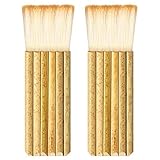
Overview: Tenare’s traditional hake brush set offers two 6-row bamboo brushes designed for large-scale watercolor techniques, ceramic glazing, and wash applications. These authentic Japanese-style brushes prioritize coverage over precision, making them specialty tools rather than all-purpose solutions. The bamboo construction provides a lightweight, natural feel for expressive, gestural painting across expansive surfaces.
What Makes It Stand Out: The ultra-soft bristles and wide, flat profile excel at creating smooth, even washes across large paper surfaces. Bamboo handles offer a unique tactile experience and sustainable material choice. Their versatility extends beyond watercolor to ceramics, pottery glazing, and even craft applications like sizing and gluing. The two-brush quantity encourages sharing or keeping one dedicated to messy mediums without cross-contamination.
Value for Money: Inexpensive and highly specialized, these brushes deliver excellent utility for their minimal cost. Comparable hake brushes sell individually for the same price, making this two-pack a genuine bargain. For artists working on large-format watercolor or ceramic projects, they provide capabilities that expensive sable washes cannot match, covering vast areas quickly and evenly.
Strengths and Weaknesses: Strengths include exceptional wash capability, soft bristles that won’t damage paper, multi-medium versatility, and sustainable bamboo handles. They’re perfect for backgrounds and wet-on-wet techniques. Weaknesses involve limited precision, potential for bristle loss if not cared for properly, and handles that may feel too lightweight for some users. Not a standalone solution for detailed work requiring fine points.
Bottom Line: An essential supplement for watercolorists tackling large pieces or ceramic artists needing reliable glaze applicators. Don’t expect fine detail, but for washes and backgrounds, they’re unbeatable value. Pair with a detail brush set for complete coverage and technique range in your artistic practice.
10. Princeton Artist Brush Lauren, Brushes for Acrylic and Watercolor Series 4350, Flat Wash Golden Synthetic, Size 150

Overview: The Princeton Lauren Series 4350 Flat Wash brush delivers brand-name reliability at a student-friendly price point. This single Size 150 golden synthetic brush is engineered for applying large washes, floating color, and blocking in expansive areas. Popular among art students and amateurs, it maintains enough quality to serve professionals needing a workhorse wash brush that can take daily abuse.
What Makes It Stand Out: Princeton’s reputation for consistent quality shines through in this value line. The golden synthetic blend offers surprising snap and paint capacity for its price tier. The square-edged wash head provides cleaner edges than typical flat shaders, making it particularly effective for geometric backgrounds and architectural watercolor elements where precision matters despite the large scale.
Value for Money: As a sub-$10 brand-name brush, it represents exceptional value. Comparable no-name synthetics cost the same but lack Princeton’s quality control. For students buying supplies on tight budgets, it delivers professional-level wash performance without the premium. The robust construction ensures it outlasts cheaper alternatives by months or years, saving money long-term.
Strengths and Weaknesses: Strengths include Princeton reliability, excellent wash performance, durable synthetic fibers, and unbeatable price. The larger size covers substantial area efficiently. Weaknesses are the single-brush limitation—you’ll need additional shapes for complete painting. Synthetic fibers may not provide the same fluid release as natural hair for the most demanding watercolor techniques. The handle is basic plastic, not luxury material.
Bottom Line: Perfect for students, beginners, or professionals needing a durable wash brush. Buy this as your first large brush or a reliable backup. While not a complete solution alone, it outperforms its price point dramatically and belongs in every watercolorist’s toolkit as a specialized workhorse.
Understanding the Anatomy of a Watercolor Brush
Before diving into specific features, you need to understand what makes a brush tick. Every component affects performance, especially when you’re asking it to deliver the smooth, controlled color transitions that define masterful gradients and washes.
The Ferrule: Your Brush’s Backbone
The ferrule—that metal band connecting bristles to handle—plays a surprisingly critical role in gradient work. A poorly constructed ferrule will wobble, shed hairs, or trap water and pigment, leading to unexpected drips and inconsistent paint release. Look for seamless, corrosion-resistant ferrules that are double-crimped to the handle. For gradient work, a well-proportioned ferrule that supports the bristles without crushing them ensures the hairs move as a unified bundle, crucial for even color distribution.
Handle Matters: Comfort and Control
During extended painting sessions, handle ergonomics become non-negotiable. Gradient techniques often require holding a brush at unusual angles—almost parallel to the paper for wide sweeps, or perched at the tip for delicate transitions. Handles with a slightly tapered shape and balanced weight distribution reduce hand fatigue. Matte finishes provide better grip than glossy lacquers, especially when your hands are moist from rinsing brushes frequently.
Bristle Types: Natural vs Synthetic
The bristle material determines everything from water capacity to snap-back. Natural hair brushes, particularly from sable or squirrel, have microscopic scales that hold impressive amounts of water and pigment, releasing them slowly and predictably. Modern synthetics have closed that gap remarkably, with engineered fibers that mimic these properties while offering durability and ethical peace of mind. For gradients, the goal is finding bristles that balance capacity with control—too much water creates puddles, too little gives you streaks.
Why Gradients and Washes Demand Specialized Brushes
Not all watercolor brushes are created equal when it comes to blending. The physics of creating a seamless transition requires specific performance characteristics that general-purpose brushes simply can’t deliver consistently.
The Science of Water Control
Gradient work lives and dies on water management. The ideal brush carries a generous reservoir of paint-laden water in its belly while maintaining a precise point or edge. As you pull a wash across paper, the brush should release moisture gradually and evenly. This controlled delivery prevents backruns and blooms—those unwanted cauliflower effects that ruin smooth skies. Brushes designed for gradients have denser packing in the ferrule and a more pronounced belly-to-tip ratio.
Spring and Snap: What These Terms Mean for Your Art
“Spring” refers to how bristles flex and return to shape, while “snap” is the briskness of that recovery. For gradients, you need generous spring that allows the brush to glide over paper texture without splaying, but not so stiff that it leaves brush marks. The snap should be gentle—too aggressive and you’ll get harsh edges; too soft and the brush drags, creating uneven pigment deposition. The sweet spot varies by technique: wet-on-wet demands softer spring, while controlled wet-on-dry benefits from more backbone.
Essential Brush Shapes for Seamless Blending
Shape determines how pigment meets paper. Each profile excels at different gradient challenges, and understanding their strengths helps you build a strategic collection.
Round Brushes: The Versatile Workhorse
A high-quality round brush with a full belly and fine point is non-negotiable. When loaded properly, it can create everything from broad washes to pinpoint details. For gradients, the key is the belly’s capacity—look for rounds that come to a crisp point even when fully loaded. Size 8 to 12 rounds handle most sky and background work, while smaller rounds (2-6) manage localized transitions. The belly should feel substantial; skinny rounds lack the reservoir for sustained washes.
Flat Washes: The Gradient Master
Flat wash brushes, with their straight-edge bristles and wide profiles, are engineered specifically for laying down smooth, even washes. The edge should be razor-sharp when dry but soften beautifully when loaded. For gradients, the brush’s width allows you to cover large areas quickly before edges dry, essential for preventing hard lines. A good flat wash brush “kisses” the paper rather than scrubbing it, depositing a consistent film of pigment.
Mop Brushes: Cloud-Like Softness
Mops and quill brushes, often made from squirrel hair, hold extraordinary amounts of fluid. Their round, fluffy heads create the softest possible transitions, perfect for atmospheric effects and wet-on-wet sky gradients. The challenge is control—mops require practice to master, but reward you with ethereal effects impossible with stiffer brushes. Look for mops with good “pointing” ability; even fluffy brushes should come to a controlled tip.
Oval Wash (Cat’s Tongue): The Hybrid Hero
This underrated shape combines round and flat characteristics. The oval belly holds ample paint while the pointed tip offers precision. For complex gradients requiring both broad passages and sharp details—think distant mountains fading into mist—the oval wash excels. Its versatility makes it a favorite among landscape artists who need to switch techniques mid-stroke.
Dagger Strippers: For Bold Transitions
The dagger’s angled edge creates dramatic, linear gradients perfect for architectural shadows or water reflections. When held at different angles, the same brush produces varying line widths, allowing you to transition from sharp definition to soft diffusion in one stroke. The dagger’s stiffness needs careful selection—too soft and it loses its edge; too firm and it leaves marks.
Bristle Materials Decoded
Material choice directly impacts your gradient quality. Each fiber type brings distinct advantages and trade-offs that savvy artists leverage for specific effects.
Kolinsky Sable: The Gold Standard
Kolinsky sable remains the benchmark for watercolor brushes, and for good reason. The hair’s natural conical shape, with a thick belly tapering to a fine point, creates perfect gradient tools. These brushes hold enormous amounts of pigment yet release it with surgical precision. The hair’s natural scales trap water molecules, allowing for extended stroke work without reloading. For serious gradient work, a Kolinsky round in size 8 or 10 is worth its weight in gold, delivering unmatched control over large, smooth transitions.
Squirrel Hair: Supreme Water Capacity
Squirrel hair is softer and more absorbent than sable, making it ideal for the softest, most atmospheric gradients. It lacks sable’s snap, which becomes an advantage when you want zero brush marks. Russian blue squirrel is particularly prized for its elasticity. These brushes excel at wet-on-wet techniques where pigment needs to disperse organically. The trade-off is less precision for sharp details, so squirrel mops work best as specialist tools rather than all-purpose workhorses.
Synthetic Sables: Modern Performance
Today’s premium synthetics—often labeled “golden taklon” or “synthetic sable”—perform remarkably close to natural hair. They’re more durable, maintain their point longer, and work beautifully with aggressive modern pigments. For gradients, the best synthetics offer excellent water capacity and a soft touch. They shine in travel kits where maintenance is challenging, and their ethical production appeals to environmentally conscious artists. The key is choosing high-quality synthetics; cheap versions lack the belly capacity for serious wash work.
Blended Bristles: Best of Both Worlds
Some manufacturers blend natural and synthetic fibers, aiming to combine sable’s performance with synthetic durability. These can be excellent value propositions, offering decent gradient capabilities at mid-range prices. The blend ratio matters—higher natural content generally means better water control. Test these brushes by loading them and pulling a long stroke; the color should fade evenly without sudden water release or premature drying.
Sizing Systems Demystified
Brush sizing seems arbitrary—why does one brand’s size 8 look like another’s 6? Understanding the systems helps you shop smarter.
Understanding Brush Numbering
Most watercolor brushes use a numeric system where higher numbers indicate larger sizes, but the scale isn’t standardized. European and Japanese manufacturers often size differently. For gradient work, focus on actual measurements: a size 8 round typically has a 7-8mm diameter at the ferrule and 20-22mm bristle length. Flat washes are measured by width in inches or millimeters. When building a gradient kit, think in terms of coverage area rather than arbitrary numbers.
When to Choose Large vs Small
Large brushes (12+) cover ground quickly but require more paint and water management skill. They’re essential for atmospheric backgrounds and full-sheet gradients. Medium brushes (6-10) offer the most versatility, handling both washes and details. Small brushes (0-4) create localized gradients and refine edges. For dedicated gradient work, prioritize medium to large sizes; you can always use the tip of a big brush for small transitions, but a small brush can’t create a smooth sky.
Performance Features That Matter
Beyond shape and material, specific performance characteristics separate gradient-worthy brushes from mediocre ones.
Water Holding Capacity
The belly’s ability to hold a large, consistent reservoir determines gradient length. Test this by loading a brush with clean water and timing how long it takes to release a continuous bead on a tilted surface. Premium gradient brushes should maintain a steady flow for 30-45 seconds. The release rate matters too—too fast and you get puddles; too slow and the gradient dries before completion.
Point and Edge Retention
A brush that loses its point after a few strokes becomes useless for precise gradient control. Quality brushes maintain their shape throughout a painting session. Test point retention by loading with thick pigment and making repeated strokes; the point should stay crisp. For flat brushes, the edge shouldn’t fray or split. This characteristic depends on both bristle quality and ferrule construction.
Spring and Responsiveness
The ideal gradient brush springs back to shape after flexing but doesn’t fight your hand. Press the bristles against your palm—they should bend smoothly and recover without splaying. During painting, this spring allows you to vary pressure for different effects while maintaining control. Too soft, and the brush drags; too stiff, and it skips over paper texture.
Investment Strategies for Every Budget
Quality brushes aren’t cheap, but strategic buying gets you professional results without bankruptcy.
Professional Grade vs Student Grade
Professional brushes use fuller, better-sorted bristles and superior construction. For gradients, this difference is stark—a professional brush delivers smooth, predictable results while a student version leaves streaks. However, not every brush in your kit needs to be top-tier. Invest in one or two premium rounds for critical gradients, then fill out your collection with mid-range flats and mops.
Splurge vs Save: A Practical Guide
Splurge on: your primary round brush (size 8-10), a large flat wash, and a quality mop. These are your gradient workhorses where performance directly impacts results. Save on: tiny detail brushes, scrubbers, and experimental shapes. Synthetic options work brilliantly for these secondary roles. Consider buying one exceptional brush quarterly rather than a cheap set all at once—your technique will thank you.
Maintenance: Extending Your Brushes’ Life
A $100 brush becomes a $1 brush if neglected. Proper care is non-negotiable for maintaining gradient performance.
Cleaning Techniques That Preserve Performance
Never leave brushes soaking in water—this ruins the ferrule and loosens bristles. Rinse thoroughly after use, then clean with mild soap and lukewarm water. For gradient brushes, gentle is key: swirl the bristles in your palm, don’t scrub. Reshape the point while damp and lay flat to dry. Monthly deep cleaning with brush soap removes pigment buildup that affects water flow.
Storage Solutions for Longevity
Store brushes horizontally or with bristles pointing down to prevent water from seeping into the ferrule. Use protective sleeves for travel—bent bristles never recover fully. For mops and quills, hang them to maintain their shape. Never store brushes in airtight containers while damp; mildew destroys bristle structure.
Rescuing Damaged Brushes
Frayed points can sometimes be revived with brush soap and careful reshaping. For splayed bristles, a tiny amount of gum arabic on the tips while damp can help realign them. If the ferrule is loose, a drop of waterproof glue might salvage it. However, once the belly has been crushed or the bristles have lost their scales (from harsh cleaning), replacement is the only option.
Mastering Gradient Techniques
Even the best brush needs proper technique. Understanding how to leverage your tool’s design elevates your gradients from good to breathtaking.
Wet-on-Wet Fundamentals
Load your mop or large round with a juicy mix of pigment and water. Pre-wet your paper section with clean water using a soft brush. Touch the loaded brush to the wet area and watch pigment disperse organically. The key is controlling the water-to-pigment ratio—too much water and colors become muddy; too little and you get hard edges. Practice on scrap paper to learn your brush’s release characteristics.
Controlled Wet-on-Dry
For more defined gradients, work on dry paper with a damp (not wet) brush. Start with the darkest concentration at one edge, then pull the stroke while gradually lifting pressure. The brush’s belly releases less pigment as you lift, creating a natural fade. This technique demands a brush with excellent point retention and predictable water release—this is where Kolinsky sable truly shines.
Variegated and Atmospheric Washes
These advanced gradients involve multiple colors merging on paper. Load different colors on different parts of the brush—one side warm, one side cool. As you pull the wash, the colors blend naturally. A large oval wash or cat’s tongue brush excels here, its shape allowing you to control which color dominates. The technique requires a brush that holds distinct color sections without them merging prematurely in the belly.
Building Your Perfect Collection
Strategic brush acquisition prevents both overwhelm and wasted money. Build your kit based on your actual painting habits.
The Starter Kit: 3 Essential Brushes
Begin with a size 8 synthetic sable round, a 1-inch flat wash, and a small squirrel mop (size 4). This trio handles 90% of gradient challenges at minimal cost. The round manages details and medium washes, the flat handles large areas, and the mop creates atmospheric effects. Master these before adding complexity.
The Intermediate Upgrade Path
Add a size 10 or 12 Kolinsky round for serious wash work, a 2-inch flat for full-sheet paintings, and an oval wash for versatility. Consider a dagger stripper for architectural elements. At this stage, invest in one premium brush at a time, learning its personality before buying the next.
The Professional Arsenal
The full kit includes multiple rounds (6, 8, 12), several flat washes (1/2-inch to 3-inch), a large squirrel mop, a quill brush, and specialty shapes like daggers and rigger liners for gradient details. Professionals often duplicate their most-used sizes so one can dry while another is in use, ensuring uninterrupted workflow during time-sensitive washes.
Pitfalls to Avoid
Common mistakes sabotage gradient quality regardless of brush quality. Awareness prevents frustration.
Overloading with Paint
The most frequent error is loading too much pigment and not enough water. Gradient brushes need juicy, fluid paint. Thick, concentrated color dries too fast and leaves streaks. Aim for a consistency like heavy cream for most gradients, thinner for atmospheric effects. Your brush should feel weighted with fluid, not paste.
Size Selection Errors
Using a brush that’s too small forces you to make multiple passes, creating overlapping lines. Conversely, an oversized brush in a small area loses control. Match brush size to the area you’re covering, then go one size larger for wet-on-wet work where you need speed. Remember: you can paint small with a big brush, but not vice versa.
Care and Maintenance Mistakes
Leaving brushes in your water jar, using hot water for cleaning, or storing them bristle-up are death sentences. Even one instance of dried paint in the ferrule can permanently affect performance. Develop a post-painting ritual: rinse, clean, reshape, store properly. Your future self will thank you when that expensive brush performs like new years later.
Smart Shopping Strategies
Buying brushes is tactile—when possible, test before purchasing. When buying online, know what to look for in descriptions and reviews.
The Snap Test Explained
In-store, wet the brush and flick it gently. The bristles should snap back to a crisp point without splaying. Press the belly against your wrist—it should feel full and resilient, not hollow or mushy. Check the ferrule for wobbles by gently twisting the handle. Any movement indicates poor construction that will worsen.
The Water Holding Test
Dip the brush in water, hold it vertically, and watch the bead form at the tip. It should maintain a large, steady drop for at least 20 seconds. Then drag it across paper—the water line should be even, without gaps or puddles. This test reveals real-world gradient performance better than any marketing claim.
In-Store vs Online Shopping
Physical stores let you test, but online offers better selection and pricing. When buying online, prioritize retailers with generous return policies. Read reviews focusing on longevity and gradient performance specifically. Look for detailed photos showing the brush head shape. Avoid listings with only stock images—they’re often hiding inferior construction.
Innovation in Brush Design
Brush technology hasn’t stood still. Recent innovations offer exciting possibilities for gradient artists.
Eco-Friendly Materials
Sustainable synthetics now rival natural hair without environmental concerns. Some brands use recycled ferrules and biodegradable handles. Bamboo handles offer lightweight strength, reducing hand fatigue during long sessions. These eco-options perform brilliantly for gradients while aligning with green values.
Ergonomic Advances
New handle designs feature micro-textured grips that stay secure when wet. Some brands offer interchangeable heads, letting you switch between bristle types on the same handle. Weight distribution has improved, with balanced designs that feel lighter than they are. For artists with arthritis or grip issues, these innovations make extended gradient work possible again.
Environmental Factors
Your studio environment affects brush performance as much as the brush itself.
Climate and Humidity Effects
In dry climates, brushes dry faster mid-stroke, requiring larger water reservoirs. Consider squirrel hair or high-capacity synthetics. In humid environments, everything stays wet longer—use stiffer bristles with more snap to maintain control. Store brushes in climate-controlled spaces; extreme temperatures cause ferrules to expand and contract, loosening over time.
Travel-Friendly Considerations
Travel brushes with collapsible handles sacrifice some performance for portability. For gradient work on location, consider a waterbrush—a hollow-handled brush that stores water. While not ideal for studio work, modern waterbrushes have improved dramatically and handle basic gradients competently. Protect natural hair brushes from temperature shocks during travel; never leave them in a hot car.
Community and Learning Resources
The best brush advice often comes from fellow artists, not manufacturers.
Workshops and Demos
Attend local watercolor society meetings or national workshops. Watching experienced painters use their brushes teaches you more than any article. Notice how they load their brushes, the angles they hold them at, and which shapes they reach for instinctively. Many artists are happy to discuss their tools after a demo.
Online Tutorials and Reviews
YouTube channels dedicated to watercolor often feature brush comparisons. Look for creators who show actual painting, not just unboxing. Instagram’s watercolor community frequently posts close-up videos of brushes in action. Pay attention to comments where artists discuss long-term performance. Online forums like WetCanvas offer deep discussions from working professionals.
Frequently Asked Questions
What makes a brush specifically good for gradients versus general painting?
Gradient brushes prioritize water holding capacity and controlled release over fine detail. They have fuller bellies and softer spring, allowing them to deposit a continuous, even film of diluted pigment. While a good detail brush holds a point, a gradient brush holds a reservoir.
Should beginners invest in expensive natural hair brushes right away?
Start with high-quality synthetics first. Mastering gradient technique is more important than premium tools at the beginning. Once you can consistently produce smooth washes, upgrading to a single Kolinsky round will immediately elevate your results. Your skills, not your brushes, are the foundation.
How many brushes do I really need for gradient work?
Three: a medium round (size 8), a flat wash (1-inch), and a small mop. This covers 90% of scenarios. Add specialty shapes only after you’ve mastered these basics. Too many choices early on creates confusion and prevents you from developing muscle memory with your core tools.
Why do my gradients look streaky even with a good brush?
Streaks usually come from insufficient water in your mix or overworking the area. Your paint should be creamy, not thick. Load the brush fully and work quickly. If you need to go back over an area, re-wet it first. Also check your paper—rough textures show more brush marks than cold-press or hot-press surfaces.
How often should I replace my gradient brushes?
With proper care, quality brushes last years. Replace them when they lose their point permanently, the belly collapses, or water release becomes unpredictable. A brush that suddenly starts leaving hard edges where it used to blend smoothly has likely accumulated irreversible pigment buildup near the ferrule.
Can I use the same brush for gradients and detailed work?
Yes, a quality round brush excels at both. Use the belly for washes and the point for details. The key is learning to control pressure and paint consistency. However, dedicated wash brushes like mops and flats can’t handle fine details, which is why rounds remain the universal choice.
What’s the difference between a wash brush and a mop brush?
Wash brushes (flats) have structured edges for controlled, even coverage. Mops are round and fluffy, designed for soft, atmospheric effects with less precision. Use washes for architectural gradients and skies where you need clean edges; use mops for clouds, mist, and organic color transitions.
How do I know if a synthetic brush is high enough quality for gradients?
Test the water holding capacity and point retention. Premium synthetics feel full in the belly and come to a crisp point when wet. They should release water steadily for at least 20 seconds. Avoid synthetics that feel springy or plastic-like; good ones have a soft, almost velvety texture.
Is it better to have one expensive brush or several cheaper ones?
One exceptional brush outperforms a dozen mediocre ones, especially for gradients. A single Kolinsky round can handle most tasks if you’re skilled. However, having a few mid-range brushes in different shapes gives you more versatility. The ideal path: one premium round, then fill out with quality synthetics in other shapes.
What should I do if my new brush sheds hairs?
Some shedding is normal for the first few uses as loose hairs work free. If shedding continues after a week of use, it’s a manufacturing defect. Quality brushes use epoxy-set bristles that shouldn’t shed. Remove stray hairs gently with tweezers—never pull hard. Persistent shedding means the ferrule isn’t holding the bundle properly, and you should return the brush.