Table of Contents
If you’ve ever struggled with a rotary cutter that feels like it was designed to work against you, you’re not alone. Left-handed crafters, quilters, and sewists face a daily battle with tools engineered exclusively for right-handed dominance, turning what should be a smooth, precise cut into an awkward, unsafe maneuver. The good news? The tool industry is finally waking up to the needs of the 10% who’ve been overlooked for decades, and 2026 promises to be a breakthrough year for left-handed rotary cutter innovation.
This comprehensive guide cuts through the marketing fluff to reveal what truly matters when selecting a rotary cutter that works with your natural hand dominance, not against it. We’ll explore the ergonomic principles, safety mechanisms, and design features that separate genuinely left-handed-friendly tools from those that simply pay lip service to ambidexterity. Whether you’re a seasoned quilter or just starting your fabric crafting journey, understanding these key elements will transform your cutting experience from frustrating to fluid.
Top 10 Rotary Cutters For Left-Handed Users
Detailed Product Reviews
1. Fiskars 45mm Rotary Cutter for Fabric, Premium Steel Stick Fabric Cutter Cuts Through Multiple Layers, Right and Left Handed, Easy and Safe Blade Change, Arts and Crafts, Sewing and Quilting Tools
, Easy and Safe Blade Change, Arts and Crafts, Sewing and Quilting Tools](https://m.media-amazon.com/images/I/41IwAR4t6FL._SL160_.jpg)
Overview: The Fiskars 45mm Rotary Cutter with stick handle is a foundational tool for fabric crafters. This ambidextrous cutter tackles multiple layers of fabric, felt, and vinyl with its precision-ground steel blade. The symmetrical design accommodates both right and left-handed users, making it a versatile addition to any sewing room. Its straightforward sliding button mechanism extends and retracts the blade safely, while the high-grade steel ensures long-lasting sharpness for consistent performance.
What Makes It Stand Out: True ambidextrous functionality sets this cutter apart from many competitors. The stick handle’s symmetrical design isn’t just a marketing claim—it genuinely works equally well for left and right-handed users. The blade changing system is engineered for safety, minimizing the risk of cuts during replacement. When paired with Fiskars’ self-healing mats, it creates a complete cutting system that protects work surfaces while delivering clean, precise cuts through up to six layers of cotton.
Value for Money: Positioned in the mid-range price bracket, this cutter offers excellent durability that justifies the investment. The blade longevity means fewer replacements, and the ambidextrous design eliminates the need to purchase separate tools for different users. Compared to budget alternatives that dull quickly, this Fiskars model maintains its edge through extensive projects, making it cost-effective for serious quilters and sewists.
Strengths and Weaknesses: Strengths include genuine ambidextrous design, robust safety features, durable premium steel blade, and reliable brand reputation. The sliding lock mechanism is intuitive and secure. Weaknesses: The stick handle can cause fatigue during marathon cutting sessions, lacks the ergonomic comfort of loop-handled models, and the basic design offers no aesthetic variety.
Bottom Line: This is a workhorse tool that prioritizes function over form. For sewists needing a reliable, safe, and truly ambidextrous cutter, it’s an excellent choice. While not the most comfortable for extended use, its durability and precision make it a smart investment for both occasional crafters and dedicated quilters.
2. Fiskars 45mm Rotary Cutter for Fabric with Ergonomic Loop Grip, Premium Steel Rotary Fabric Cutter Blade for Precise Cuts, Arts and Crafts, Sewing Supplies and Quilting Tools

Overview: The Fiskars 45mm Rotary Cutter with Ergonomic Loop Grip elevates the standard rotary cutter design with user comfort in mind. This model retains the brand’s signature precision-ground steel blade that slices through multiple fabric layers cleanly. The loop handle design cradles the hand naturally, reducing strain during extended cutting sessions. Its quick-change blade system and sliding safety lock make it both convenient and secure for daily use.
What Makes It Stand Out: The loop handle’s ergonomic advantage is immediately noticeable, providing superior control and comfort compared to stick-style cutters. The quick-change mechanism lives up to its name—blades snap in and out without fumbling with screws or tools. This feature alone saves valuable time during project transitions. The handle’s design also improves sightlines to the cutting edge, allowing for more accurate alignment with rulers and patterns.
Value for Money: Slightly pricier than the basic stick model, the ergonomic benefits justify the modest upcharge for anyone who cuts fabric regularly. The time saved with the quick-change system and the reduced hand fatigue translate to real value. While budget cutters may seem appealing, they rarely match Fiskars’ blade quality and safety engineering, making this a worthwhile mid-range investment.
Strengths and Weaknesses: Strengths include exceptional ergonomic comfort, intuitive quick-change blade system, reliable safety lock, and premium steel durability. The loop design enhances cutting accuracy. Weaknesses: The loop handle may feel bulky for users with very small hands, it’s not as compact for storage as stick models, and left-handed users might need to adjust their grip slightly despite the ambidextrous blade mounting.
Bottom Line: For frequent fabric cutters, this ergonomic model is worth every penny. It combines Fiskars’ trusted cutting performance with thoughtful design that prioritizes user comfort. The quick-change feature is a genuine time-saver. Whether you’re a quilter cutting strip sets or a garment sewist, this tool reduces fatigue while maintaining precision.
3. Martelli - 60mm Left Handed Fabric Rotary Cutter for safe pain free fabric cutting - sewing, fashion design, quilting supplies good for arthritis carpal tunnel and other hand pain
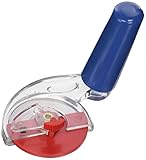
Overview: The Martelli 60mm Left Handed Rotary Cutter addresses a critical gap in the market: pain-free fabric cutting for those with hand limitations. Specifically designed for left-handed users with arthritis or carpal tunnel, this cutter features a unique doughroller-style grip that promotes proper finger placement. The substantial 60mm tungsten steel blade powers through 6-8 layers of fabric with minimal downward pressure, making cutting nearly effortless.
What Makes It Stand Out: The ergonomic design is revolutionary for users struggling with traditional cutters. Rather than forcing the wrist into awkward positions, this tool uses a natural pushing motion that lets the blade’s weight do the work. The spring-loaded guard system is exceptionally safe, automatically covering the blade when not in use. Tungsten steel blades sharpened on both sides last 3-5 times longer than conventional steel, representing a significant upgrade in cutting technology.
Value for Money: This is a premium-priced tool, but for users with hand pain, it’s invaluable. The extended blade life and pain-reducing design justify the cost when compared to medical expenses or discontinued crafting. While overkill for casual users, serious quilters with arthritis will find the investment pays for itself in comfort and continued hobby enjoyment.
Strengths and Weaknesses: Strengths include unparalleled ergonomic design for pain relief, massive cutting capacity, exceptional blade longevity, and true left-handed engineering. The spring-loaded guard is superior to manual locks. Weaknesses: High price point, specialized design may not suit all users, 60mm blade is too large for intricate curves, and the learning curve for the pushing motion can be awkward initially.
Bottom Line: This is a specialty tool that excels at its mission. If hand pain threatens your crafting, the Martelli cutter is a game-changer. For healthy users, it’s likely unnecessary. But for left-handed sewists with arthritis or carpal tunnel, it transforms cutting from a painful chore into a manageable, even enjoyable task. The premium price delivers premium relief.
4. Fiskars Loop Rotary Cutter, Explore Collection Ultra Lilac, Precision-Ground Steel Blade for Fabric, Felt and Vinyl, 45mm

Overview: The Fiskars Loop Rotary Cutter from the Explore Collection combines proven functionality with aesthetic appeal in an ultra lilac finish. This 45mm cutter delivers the same precision cutting performance as other Fiskars loop models, slicing through multiple layers of fabric, felt, and vinyl. The 7mm blade exposure provides excellent visibility and control, while the sliding lock mechanism ensures safe storage.
What Makes It Stand Out: The beautiful lilac colorway distinguishes this tool in a sea of utilitarian grey and orange cutters. It proves that functional tools can be stylish without sacrificing performance. The loop handle’s natural fit improves control, while the reversible blade assembly accommodates both right and left-handed users seamlessly. The receded push button prevents accidental blade retraction during use—a thoughtful safety detail.
Value for Money: Priced similarly to other Fiskars loop cutters, you’re not paying extra for the aesthetic upgrade. This makes it an excellent value for crafters who want their tools to reflect their personal style. The premium steel blade and robust construction ensure longevity, while the ambidextrous design adds versatility. Compared to basic cutters, the ergonomic benefits alone justify the modest price increase.
Strengths and Weaknesses: Strengths include attractive color option, comfortable loop handle, ambidextrous blade mounting, reliable safety features, and Fiskars’ trusted blade quality. The enhanced visibility from the 7mm exposure aids accuracy. Weaknesses: Limited color collection may not match all preferences, the lilac finish could show dirt over time, and users seeking maximum ergonomics might prefer more specialized designs.
Bottom Line: This cutter is perfect for sewists who want performance with personality. It delivers all the reliability and comfort of Fiskars’ loop design while adding a touch of style to your craft room. The aesthetic upgrade costs nothing extra, making it a smart choice for both beginners and experienced quilters who appreciate tools that are both functional and visually appealing.
5. MANUFORE Left-Handed Sewing Tool Kit -8.5in Lefty Fabric Scissors, 4.5in Thread Trimmers, Rotary Cutter with 3 Replacement Blades - Pink Set for Quilters, Crafters, and DIY Projects
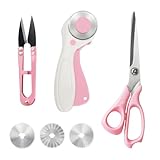
Overview: The MANUFORE Left-Handed Sewing Tool Kit provides a complete cutting solution for southpaw sewists in one affordable package. This pink-themed set includes 8.5-inch fabric scissors, 4.5-inch thread trimmers, and a 45mm rotary cutter with three specialized blades. Designed specifically for left-handed users, the scissors feature proper blade orientation for clear sightlines, while the rotary cutter offers ambidextrous functionality.
What Makes It Stand Out: Getting three essential cutting tools with multiple blade options at this price point is remarkable. The inclusion of pinking and dotted line blades alongside the standard straight blade adds versatility rarely found in starter kits. The scissors’ true left-handed design—top blade positioned for optimal viewing—demonstrates thoughtful consideration for lefty users who typically struggle with reversed right-handed tools.
Value for Money: This kit represents exceptional value, essentially bundling three tools for less than the price of a single premium rotary cutter. For beginners or budget-conscious crafters, it provides everything needed to start cutting fabric accurately. While the quality may not match high-end brands, the functionality is solid for light to moderate use, making it an ideal entry point for left-handed sewing enthusiasts.
Strengths and Weaknesses: Strengths include comprehensive kit at low price, true left-handed scissor design, multiple rotary blade types, and coordinated aesthetic. The ergonomic handles reduce strain reasonably well. Weaknesses: Unknown brand durability, blades may dull faster than premium steel, rotary cutter lacks advanced safety features, and the quality is best suited for hobbyists rather than heavy-duty quilters.
Bottom Line: This kit is a fantastic starter set for left-handed sewists on a budget. It solves the common frustration of finding affordable left-handed tools while providing versatility through multiple blade types. Perfect for beginners, casual crafters, or as a travel set, though serious quilters will eventually want to upgrade to premium individual tools. For the price and convenience, it’s hard to beat.
6. 45mm Rotary Cutter with 5pcs Extra Blades, Ergonomic Handle Rolling Cutter with Safety Lock for Fabric, Leather, Crafting, Sewing, Quilting, Fabric Rotary Cutter Perfect for Left & Right Hand(Pink)

Overview:
This 45mm rotary cutter delivers six total blades in a safety-focused package designed for universal use. The ambidextrous handle accommodates both left and right-handed crafters, while the integrated safety lock prevents accidental blade deployment. Constructed with SKS7 stainless steel, the blade promises clean cuts through multiple fabric layers without fraying.
What Makes It Stand Out:
The inclusion of five replacement blades sets this cutter apart—most competitors include only one or two extras. The dual-sided blade installation and soft-grip handle demonstrate thoughtful ergonomic consideration for diverse users. The safety mechanism locks both the trigger and blade position, offering superior protection compared to basic retractable models.
Value for Money:
With six blades total, this package eliminates immediate replacement costs. Individual 45mm blades typically cost $3-5 each, making the extras worth $15-25 alone. The cutter essentially pays for itself through blade value, positioning it as an economical choice for frequent quilters and scrapbookers.
Strengths and Weaknesses:
Strengths include exceptional blade quantity, robust safety system, true ambidextrous design, and comfortable anti-slip grip. The SKS7 steel offers professional-grade sharpness. Weaknesses involve the unknown brand longevity—plastic components may wear faster than premium alternatives. The 45mm size struggles with very thick materials like heavy leather or dense foam.
Bottom Line:
Ideal for budget-conscious crafters prioritizing safety and blade inventory. While not a luxury tool, it delivers reliable performance for quilting, sewing, and general crafting. The extensive blade supply makes it a smart starter kit for beginners and a practical backup for professionals.
7. Fiskars 60mm Rotary Cutter for Fabric with Ergonomic Loop Grip And Comfort Handle, Titanium Rotary Fabric Cutter for Thick Materials, Easy and Safe Blade Change, Sewing Supplies and Quilting Tools

Overview:
Fiskars’ 60mm rotary cutter represents the gold standard for heavy-duty fabric cutting. Engineered for thick materials like batting, foam, and multiple fabric layers, this tool features a titanium-coated blade three times harder than steel. The distinctive loop handle design provides exceptional control during extended cutting sessions.
What Makes It Stand Out:
The titanium coating dramatically extends blade life, reducing replacement frequency—a significant cost saver for professionals. Fiskars’ lifetime warranty demonstrates manufacturer confidence unmatched by competitors. The 60mm diameter tackles thick materials that standard 45mm cutters cannot manage, while the sliding button mechanism offers intuitive blade extension and secure retraction.
Value for Money:
Though priced higher than generic alternatives, the lifetime warranty and titanium blade justify the premium. Comparable professional cutters cost 20-30% more without warranty coverage. The blade’s extended sharpness reduces replacement costs over time, making it economically sound for serious users.
Strengths and Weaknesses:
Strengths include legendary Fiskars durability, titanium blade longevity, professional-grade 60mm cutting capacity, ergonomic loop grip, and lifetime warranty protection. The tool excels at heavy materials. Weaknesses include a higher initial investment and only one included blade. The larger 60mm size sacrifices precision for intricate curves compared to 45mm models.
Bottom Line:
A professional investment that pays dividends through reliability and durability. Perfect for serious quilters, upholsterers, and crafters regularly cutting thick materials. The lifetime warranty transforms it from a purchase into a permanent workshop addition. Accept no substitutes if performance and longevity matter.
8. Headley Tools 45mm Rotary Cutter for Fabric, Ergonomic Handle Rolling Cutter with Safety Lock for Fabric Leather Crafting Sewing Quilting, Fabric Cutter Wheel Perfect for Left & Right Hand (Purple)

Overview:
Headley Tools offers a feature-rich 45mm rotary cutter that mirrors premium designs at a budget-friendly price point. This purple cutter includes six total blades and ambidextrous functionality, targeting crafters who need versatility without brand-name expense. The safety-lock mechanism and ergonomic handle address key user concerns.
What Makes It Stand Out:
The five extra blades provide exceptional value rarely seen in this price tier. The dual-sided installation caters equally to left and right-handed users, while the safety button offers professional-grade protection. Compatibility with specialty pinking and wavy blades adds creative flexibility beyond standard straight cutting.
Value for Money:
This cutter positions itself as the ultimate value proposition—offering blade quantity and safety features comparable to premium models at a fraction of the cost. For hobbyists and beginners, it delivers 90% of professional tool functionality for roughly half the price. The blade supply alone covers months of active use.
Strengths and Weaknesses:
Strengths include outstanding blade inventory, comprehensive safety system, true ambidextrous design, and specialty blade compatibility. The SKS7 steel ensures clean cuts. Weaknesses center on Headley Tools’ unproven track record—durability concerns persist regarding plastic components and long-term blade alignment. Quality control may vary between units.
Bottom Line:
An excellent entry-level choice for beginners, students, and casual crafters. The generous blade supply and safety features make it perfect for learning environments. While professionals may prefer established brands, this tool delivers impressive functionality per dollar. Consider it a smart disposable alternative to premium cutters.
The Unique Challenges Left-Handed Crafters Face
Left-handed individuals navigate a right-handed world daily, but the challenges become particularly acute when precision and safety intersect. Rotary cutters exemplify this problem perfectly. The natural cutting motion for a left-handed user moves from left to right across the body, which is the exact opposite of how most cutters are engineered. This fundamental mismatch creates several issues that go beyond mere inconvenience.
When you use a right-handed rotary cutter in your left hand, your wrist must rotate into an unnatural supinated position, straining the forearm muscles and reducing control. Your sightlines become compromised because the blade guard housing blocks your view of the cutting line. The pressure distribution feels off because the tool’s weight bias favors a right-handed grip. These aren’t minor annoyances—they’re significant barriers to accuracy, efficiency, and safety that can lead to fatigue, imprecise cuts, and even injury over time.
Why Standard Rotary Cutters Don’t Work for Southpaws
The problem with “universal” rotary cutters runs deeper than simple handle shape. Most models feature an asymmetrical design where the blade sits offset to one side of the handle, specifically to optimize the right-handed cutting path. For left-handed users, this offset puts the blade in your peripheral vision rather than your direct line of sight, forcing you to contort your neck and shoulders to see where you’re cutting.
The blade retraction mechanism typically sits on the right side of the tool, making it awkward to engage with your left thumb. The pressure required to keep the blade extended while cutting favors a right-hand grip strength pattern. Even the blade replacement process often involves a screw that tightens in a direction that’s intuitive for right-handed users but counterintuitive for lefties. These cumulative design choices create a tool that fights you at every step of what should be a simple, repetitive motion.
Ergonomic Design: The Non-Negotiable Feature
When evaluating rotary cutters for left-handed use, ergonomics isn’t a luxury—it’s the foundation of everything else. A truly ergonomic left-handed design begins with the handle contour. Look for models with a symmetrical hourglass shape or a dedicated left-hand contour that supports the natural grip pattern of your fingers and palm. The material matters significantly; soft-touch, non-slip elastomer coatings provide the grip security you need when applying cutting pressure, especially during extended quilting sessions.
The handle diameter should accommodate your hand size without forcing finger spread. Many left-handed users find that slightly larger diameters (around 1.25 to 1.5 inches) reduce hand fatigue by distributing pressure more evenly across the palm. Pay attention to the trigger placement for blade retraction—on a left-handed model, this should sit naturally under your thumb or index finger without requiring grip adjustment. The force required to activate the safety mechanism should be light enough for comfortable repeated use but firm enough to prevent accidental engagement.
Blade Orientation and Visibility for Left-Handed Precision
Clear sightlines make the difference between perfectly aligned cuts and costly fabric waste. For left-handed users, the blade should be positioned on the left side of the handle when held in your cutting hand, placing it directly in your line of sight as you guide the tool along your ruler. This orientation eliminates the need to lean over your work or twist your wrist to verify alignment.
The blade guard design plays a crucial role in visibility. Premium left-handed models feature a minimal guard profile on the cutting side, with the bulk of the safety housing positioned away from your sightline. Some advanced designs incorporate a clear acrylic or polycarbonate guard section that provides protection while maintaining transparency. The distance between the handle grip and the blade edge—known as the offset—should be minimal for left-handed models, typically under 0.5 inches, to keep the blade as close to your guiding hand as possible for maximum control.
Handle Styles That Actually Work for Lefties
Handle design falls into three primary categories for left-handed users, each serving different cutting styles and project types. The straight handle, resembling a traditional utility knife, offers the most direct control for detailed work and pattern cutting. The pistol grip, with its downward-angled handle, excels at power cutting through multiple layers but requires careful evaluation to ensure the angle suits left-handed ergonomics. The curved or bent-handle design attempts to bridge these two approaches, offering a compromise between control and comfort.
For most left-handed quilters, a straight handle with a slight forward tilt (5-10 degrees) provides the best versatility. This angle keeps your wrist in a neutral position while allowing you to apply downward pressure naturally. The handle length should extend at least 4 inches to accommodate different grip positions—some cuts require a pencil grip for curves, while straight cuts benefit from a full-hand power grip. Look for models that support both without forcing your hand into awkward positions.
Safety Features Designed with Left-Handed Users in Mind
Safety mechanisms on rotary cutters have evolved significantly, but many still favor right-handed operation. A left-handed-friendly safety system should offer both automatic blade retraction and manual locking options that are easily accessible from the left-hand position. The trigger or slider for manual control must be positioned on the left side of the handle or centrally located for true ambidextrous operation.
The blade release mechanism should require a deliberate two-step action to prevent accidental exposure but shouldn’t demand excessive dexterity that could lead to fumbling. Some innovative designs incorporate a push-button release that can be operated with the left thumb while maintaining a secure grip on the handle. The blade replacement process should be tool-free or require minimal manipulation—avoid models where you must hold small parts while unscrewing components, as this becomes particularly challenging when working against the tool’s design bias.
Blade Sizes and Types: Matching Your Project Needs
Rotary cutter blades typically range from 18mm to 60mm in diameter, and each size serves specific purposes that affect left-handed users differently. The 45mm blade remains the most versatile for general quilting and sewing projects, offering a balance between maneuverability and cutting power. For left-handed users, the 45mm size provides enough blade exposure to maintain good visibility without excessive guard interference.
The 60mm blade excels at cutting through multiple layers of fabric but requires more force and can obscure your sightline if the guard design isn’t optimized for left-handed orientation. The smaller 18mm and 28mm blades shine for intricate curves, applique work, and tight corners where precision trumps power. When choosing blade size as a left-handed user, prioritize models where the guard design scales appropriately—some manufacturers simply shrink the right-handed design, which can actually worsen visibility issues at smaller blade diameters.
Ambidextrous vs. Dedicated Left-Handed Models
The market offers two approaches to serving left-handed users: truly ambidextrous models and dedicated left-handed versions. Ambidextrous cutters feature symmetrical designs with centrally located blades and dual-sided safety controls. While convenient for shared workspaces or teaching environments, they often represent a compromise. The central blade position may not optimize sightlines for either hand, and the controls can feel less intuitive than a hand-specific design.
Dedicated left-handed models, engineered specifically for southpaw use, typically outperform ambidextrous options in ergonomics and visibility. These tools mirror the thoughtful design choices made for right-handed users, placing the blade in the optimal left-side position and orienting all controls for natural left-hand access. The trade-off comes in availability and price—dedicated left-handed models remain less common and sometimes command a premium. For serious crafters who spend hours cutting, the investment in a purpose-built tool pays dividends in comfort and accuracy.
The Importance of Weight Distribution and Balance
A rotary cutter’s weight distribution dramatically affects cutting precision and user fatigue, especially for left-handed operation. The tool should feel balanced in your left hand, with the center of gravity falling directly under your grip point. Many right-handed models have a weight bias toward the right side of the handle, which becomes immediately apparent when held in the left hand as the tool wants to tilt or twist during use.
Materials play a significant role in achieving proper balance. High-quality models use zinc or aluminum alloy internal structures for strength while keeping overall weight between 4 and 6 ounces—light enough for extended use but heavy enough to provide stability. Some premium designs incorporate adjustable weight systems or removable end caps that allow you to fine-tune the balance. When testing a cutter, hold it in your natural cutting position and notice whether the blade end feels stable or wants to drift. A well-balanced tool will feel like an extension of your hand rather than a separate object you’re fighting to control.
Testing Your Rotary Cutter Before Committing
Never purchase a rotary cutter without a hands-on evaluation, regardless of how promising the specifications appear. When testing, replicate your actual cutting conditions as closely as possible. Bring sample fabrics similar to what you typically cut—different weights and weaves behave differently under the blade. Use your own cutting mat and rulers to ensure compatibility with your existing setup.
Perform several test cuts: long straight strips, gentle curves, and tight corners. Pay attention to how naturally your hand falls onto the safety mechanism and whether you can operate it without adjusting your grip. Check your sightlines from your normal working posture—don’t crane your neck to see the blade, as this indicates poor design. Apply pressure as you would during a full cutting session and note any pressure points or uncomfortable edges on the handle. The tool should feel intuitive within the first few cuts; if you’re still consciously adapting after five minutes, it’s not the right fit.
Maintenance Considerations for Long-Term Performance
A rotary cutter’s longevity depends heavily on maintenance procedures that should feel natural for left-handed users. The blade replacement process deserves particular scrutiny. Look for models where the blade lock engages with a simple left-handed twist or slide, and where the blade nut can be loosened with a natural counterclockwise motion from your left-hand perspective. Some designs require you to hold the tool in your right hand during blade changes—a clear sign the manufacturer hasn’t fully considered left-handed needs.
Cleaning access points should be reachable without special tools. Fabric lint and adhesive residue accumulate around the blade guard mechanism, and being able to clear this debris with your left hand while holding the tool naturally extends its functional life. Storage solutions matter too—does the cutter include a left-handed-friendly blade cover or storage case? These seemingly minor details become daily frustrations when they’re designed exclusively for right-handed convenience.
Price vs. Value: Investing in the Right Tool
Left-handed rotary cutters span a wide price range, from budget-friendly options under $15 to premium models exceeding $50. The price differential often reflects materials quality, precision manufacturing, and the extent of left-handed-specific engineering. Budget models may claim ambidexterity but typically achieve it through simplistic symmetrical design rather than thoughtful ergonomics. They often use lower-grade steel for blades that dull quickly and plastic components that crack under pressure.
Mid-range cutters ($25-35) usually represent the sweet spot for most left-handed users, offering genuine ergonomic consideration with durable construction. Premium models justify their higher cost through advanced materials like titanium-coated blades, precision-machined aluminum bodies, and replaceable component systems that extend the tool’s lifespan. For professional quilters or those with repetitive strain concerns, the investment in a high-end model pays for itself through reduced fatigue, fewer blade changes, and years of reliable service. Consider your usage frequency—if you cut fabric daily, spending more on ergonomics prevents costly hand and wrist problems down the road.
Common Mistakes Left-Handed Users Make When Choosing
The most frequent error left-handed crafters make is settling for “good enough”—choosing an ambidextrous model that doesn’t truly fit their hand or forcing a right-handed tool to work through sheer determination. This compromise leads to developing compensatory techniques that reinforce poor ergonomics and increase injury risk. Another common mistake is prioritizing blade size over handle comfort, selecting a 60mm cutter for its versatility while ignoring that the oversized guard makes precision cuts nearly impossible to see.
Many lefties also overlook the importance of the safety mechanism’s location and operation. A blade that retracts automatically but requires an awkward thumb stretch to expose for cutting becomes a daily annoyance that degrades your workflow. Don’t fall for marketing language like “suitable for left-handed use” without verifying the specific design features that support that claim. Finally, avoid choosing based on brand loyalty alone—just because a manufacturer excels at right-handed tools doesn’t guarantee they’ve applied the same rigor to their left-handed offerings.
Expert Tips for Mastering Your Left-Handed Rotary Cutter
Once you’ve selected the right tool, technique refinement maximizes its benefits. Position your cutting mat so you can cut with a natural left-to-right motion without reaching across your body. This may mean reconfiguring your workspace layout entirely. Develop a consistent grip that places your index finger along the top edge of the handle for guidance while your remaining fingers provide stable pressure.
Practice the “rock and roll” technique for curves—gently rocking the cutter from the front and back wheels while rolling it along the curve maintains blade contact without lifting. For long straight cuts, use your right hand to steady the ruler (if you’re comfortable with this cross-dominant approach) while your left hand guides the cutter with consistent pressure. Keep spare blades readily accessible and change them at the first sign of dullness—a sharp blade requires less force, reducing strain and improving accuracy. Finally, consider keeping a small left-handed rotary cutter dedicated for paper and interfacing to preserve your fabric blades’ sharpness.
When to Consider Custom Modifications
Sometimes even the best left-handed rotary cutters benefit from personalization. If you find a model that’s nearly perfect but has a minor ergonomic issue, simple modifications can bridge the gap. Handle wrapping with self-adhesive silicone tape can increase diameter or add cushioning exactly where your hand needs it. For tools with stiff safety mechanisms, a qualified technician can sometimes adjust spring tension to reduce activation force.
Some advanced users create custom blade guard extensions using 3D-printed components to improve sightlines for specific applications. If you experience persistent pressure points, a custom-molded handle grip made from thermoplastic material can transform an adequate tool into a perfect one. Before modifying, verify that changes won’t void warranties or compromise safety certifications. Document any adjustments you make, as this helps track what works and ensures you can replicate the setup if you upgrade to a newer model later.
Frequently Asked Questions
How do I know if a rotary cutter is truly left-handed and not just ambidextrous?
Look for specific design features: the blade should be positioned on the left side of the handle when held in your left hand, safety controls must be naturally accessible with your left thumb or fingers without grip adjustment, and the handle contour should mirror right-handed ergonomic shapes. True left-handed models will specify “left-handed design” rather than just “suitable for left or right hand” in their product description.
Can I just flip a right-handed rotary cutter over and use it left-handed?
Flipping a right-handed cutter doesn’t solve the fundamental design issues. The blade offset becomes backward, safety mechanisms become harder to reach, and the handle ergonomics work against your grip. While some crafters develop workarounds, this approach compromises safety, visibility, and precision. It’s better to invest in a tool designed for your hand dominance.
What’s the ideal blade size for a left-handed quilter?
The 45mm blade remains the most versatile choice for most left-handed quilters. It offers excellent visibility while providing enough cutting power for multiple fabric layers. If you frequently cut through more than six layers or work with heavy materials like denim or leather, consider adding a 60mm cutter to your toolkit for those specific tasks while keeping a 45mm for everyday precision work.
How often should I replace the blade in my left-handed rotary cutter?
Blade replacement frequency depends on usage, but left-handed users may need to change blades slightly more often because they’re often working against the fabric grain in ways that accelerate dulling. For daily users, plan on weekly blade changes. For weekend crafters, monthly replacement typically suffices. Always replace the blade at the first sign of skipped threads, frayed edges, or increased cutting pressure.
Are left-handed rotary cutters more expensive than standard models?
Dedicated left-handed models sometimes carry a 10-20% price premium due to lower production volumes and specialized manufacturing. However, this price difference has narrowed significantly as demand has increased. Many mid-range ambidextrous models now offer genuine left-handed functionality without extra cost. Consider the price difference an investment in your comfort and safety rather than an unnecessary expense.
Can left-handed children use adult left-handed rotary cutters safely?
Children require specially sized tools with enhanced safety features. Adult left-handed rotary cutters are too large for small hands and require grip strength that children haven’t developed. Look for junior models specifically designed for young left-handed users, which feature smaller handles, lighter weight, and more robust automatic safety mechanisms. Always supervise children closely during cutting activities.
How do I maintain proper blade alignment on a left-handed rotary cutter?
Check alignment before each cutting session by making a test cut on scrap fabric. The blade should roll smoothly without wobbling or pulling to one side. If you notice drift, the blade nut may need tightening or the blade itself might be damaged. Clean the blade housing weekly to remove lint buildup that can affect alignment. Never overtighten the blade nut, as this can damage the bearing mechanism and worsen alignment issues.
What’s the best way to store a left-handed rotary cutter?
Store your cutter with the blade fully retracted and locked in a dedicated holder that protects the blade edge. Avoid tossing it loose in a drawer where the blade can contact other tools. Many left-handed users benefit from wall-mounted storage near their cutting table, keeping the tool within easy reach without requiring awkward stretching. If your cutter didn’t include a blade cover, purchase one separately—it’s a small investment that extends blade life and prevents accidents.
Do I need different rulers for left-handed rotary cutting?
Standard acrylic rulers work fine for left-handed cutting, but you may need to adjust your technique. Some left-handed users prefer rulers with markings that read correctly when viewed from the left side. More important than the ruler itself is your cutting mat orientation—position it so you cut with a natural left-to-right motion. Consider using a rotating cutting mat for complex shapes, as it allows you to turn the fabric rather than contorting your cutting angle.
How can I improve my cutting accuracy as a left-handed user?
Accuracy improves through practice with proper technique. Always stand directly behind your cutting line rather than at an angle. Apply firm, consistent pressure on the ruler with your right hand while maintaining a steady, controlled cutting motion with your left. Use a sharp blade—dull blades require more force and wander off course more easily. Finally, consider marking your cutting line on the left side of your ruler rather than the right to keep it in your direct sightline throughout the cut.
See Also
- Best Craft Plotters for Teachers: 10 Expert Picks for 2026
- How to Choose the 10 Best Rotary Cutters for Fabric Cutting in 2026
- Best Portable Vinyl Cutting Machines for Crafters: 10 Expert Picks for 2026
- Best Cricut Machines for Beginners: 10 Expert Picks for 2026
- Best Cricut Machines for Teens: 10 Expert Picks for 2026