Table of Contents
Transforming raw materials into cherished gifts requires tools that match your creative vision with precision and reliability. For DIY gift makers, punch and die sets represent the intersection of craftsmanship and efficiency—allowing you to create perfectly shaped cutouts, professional holes, and intricate designs that elevate handmade presents from simple to stunning. Whether you’re crafting personalized leather keychains, custom greeting cards, or elaborate gift tags, the right punch and die set becomes an extension of your artistic intent.
This comprehensive guide navigates the essential considerations every serious DIY enthusiast should evaluate before investing in these indispensable tools. We’ll explore the technical specifications that separate professional-grade equipment from hobbyist disappointments, examine how different designs serve specific gift-making projects, and provide the expert insights needed to make an informed decision that aligns with your creative ambitions and budget.
Top 10 Punch Die Sets For Diy


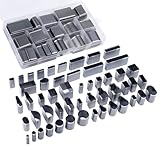


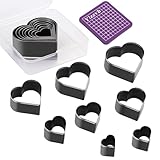


Detailed Product Reviews
Understanding Punch and Die Sets for DIY Crafting
The Mechanics Behind the Magic
At its core, a punch and die set operates through a simple yet elegant mechanism: a sharpened punch (the male component) presses material against a corresponding die (the female component) with a precisely matched clearance. This shearing action creates clean cuts without tearing or deformation. Understanding this fundamental relationship helps you appreciate why tolerance matters—too much gap creates ragged edges, while too little requires excessive force that can damage both tool and material.
Why DIY Gift Makers Need Quality Tools
The difference between a $20 starter set and a $200 professional system manifests in every project you complete. Quality tools deliver consistent cuts across hundreds of repetitions, maintain sharpness through heavy use, and provide the accuracy needed for intricate designs that define memorable gifts. Inferior tools not only frustrate your process but can ruin expensive materials like premium leather or specialty cardstock, ultimately costing more in wasted supplies than the price difference between budget and quality options.
Types of Punch and Die Systems
Manual Handheld Punches
These portable tools excel for small-scale projects requiring occasional use. They typically feature spring-loaded mechanisms and work best for paper, thin fabric, and soft materials under 2mm thickness. While convenient for quick tags and simple hole punching, they lack the leverage for consistent high-volume production and can cause hand fatigue during extended sessions.
Benchtop Lever-Operated Sets
Mounted on a stable base with a compound lever system, these units multiply your force exponentially. They’re ideal for leather goods, thick felt, and multiple material layers. The mechanical advantage allows precise control over cutting pressure, reducing material distortion and extending tool life through even force distribution.
Hydraulic Systems for Heavy-Duty Projects
Though overkill for most gift makers, hydraulic punch sets become invaluable when working with materials like thick leather, acrylic, or metal blanks beyond 3mm thickness. They provide consistent, repeatable pressure without physical strain, making them suitable for production-level gift making or ambitious mixed-media projects.
Rotary Punch Systems
Featuring a rotating turret with multiple punch sizes, these systems offer unmatched convenience for projects requiring varied dimensions. The quick-change mechanism eliminates the need to swap entire punch assemblies, though they typically sacrifice some precision compared to dedicated single-size units.
Materials You’ll Be Working With
Paper and Cardstock Considerations
Standard 80lb cardstock demands different tooling than heavyweight watercolor paper or chipboard. Look for punches with micro-serrated edges that grip fibrous materials during cutting, preventing slippage that creates off-center shapes. For intricate paper designs, punches with ejection pins are essential—preventing delicate cutouts from lodging inside the die.
Leather and Faux Leather
Real leather requires hardened steel punches with polished cutting edges to prevent fiber compression and ensure clean edges that don’t require post-cutting finishing. Faux leather, being more plasticized, needs sharper initial edges but dulls tools faster. Consider sets with replaceable cutting inserts specifically designed for synthetic materials.
Fabric and Felt
Woven fabrics present unique challenges as threads can pull rather than cut. Quality sets for textile work feature slightly curved cutting edges that slice rather than crush fibers. For felt, which compresses significantly, dies with internal springs help eject material and prevent buildup that affects subsequent cuts.
Thin Metals and Alternative Materials
Working with aluminum blanks, thin brass, or copper sheets for jewelry-quality gifts requires punches with hardened tool steel construction and minimal clearance (typically 5-10% of material thickness). These specialized sets often include lubrication recommendations and cutting speed guidelines to prevent work-hardening at the edges.
Key Features That Define Quality
Material Construction and Durability
High-carbon steel punches hardened to 55-60 HRC (Rockwell Hardness Scale) maintain sharpness through thousands of cuts. Look for through-hardened rather than case-hardened tools—while more expensive, they can be resharpened multiple times. Die blocks should be machined from solid steel rather than cast metal, which can develop micro-fractures under repeated stress.
Cutting Edge Sharpness and Precision
Factory sharpening quality varies dramatically. Professional-grade tools undergo multiple grinding and honing stages, creating edges with microscopic serrations optimized for specific materials. The included angle—typically 30-45 degrees—affects both cutting ease and edge longevity. Steeper angles last longer but require more force; shallower angles cut easier but dull faster.
Interchangeable Die Systems
Modular systems offering interchangeable punches and dies within a common housing provide exceptional value. Verify that the locking mechanism uses hardened pins or robust threading rather than plastic collars that crack under torque. The best systems maintain centering accuracy within ±0.1mm across multiple insert changes.
Size Matters: Selecting the Right Dimensions
Understanding Punch Diameters
Gift making typically requires punches ranging from 1mm (for delicate jewelry findings) to 50mm (for statement tags). Consider your primary project types—card makers need 3-15mm range, leatherworkers often require 5-25mm, while mixed-media artists benefit from sets spanning 1-30mm. Sets with incremental sizing (1mm steps at small diameters, 5mm at larger sizes) offer maximum versatility.
Clearance and Throat Depth Explained
Throat depth determines how far from the material edge you can punch. For gift tags, 2-3 inches suffices; for belt-making or larger leather goods, 6+ inches becomes necessary. Clearance height—the space between punch and base when open—must accommodate your thickest material stack plus easy removal of cut pieces.
Precision and Accuracy Factors
Alignment Mechanisms
Premium sets feature transparent alignment guides or laser-etched centering marks that allow precise positioning. For repeatable patterns, look for sets with adjustable stops or registration pins that maintain consistent spacing. Some advanced models include built-in measurement scales etched into the base, eliminating separate rulers that can shift during use.
Measurement Guides and Markings
Clear, laser-etched markings withstand wear and remain visible under workshop lighting. Avoid painted or sticker guides that fade or peel. The best systems include both metric and imperial measurements, with supplementary angle guides for creating geometric patterns without templates.
Ergonomics and User Comfort
Handle Design and Grip
Extended gift-making sessions demand ergonomic handles with cushioned, non-slip grips. Contoured designs that distribute pressure across your palm reduce fatigue significantly. For lever-operated sets, adjustable handle positions accommodate different user heights and bench configurations, maintaining comfortable working postures.
Pressure Requirements
The mechanical advantage ratio determines how much force you must apply. Quality benchtop sets provide 10:1 to 15:1 leverage, converting 20 pounds of handle pressure into 200-300 pounds at the cutting edge. This matters tremendously when working with repetitive projects—excessive required force leads to inconsistent cuts and potential repetitive strain injuries.
Compatibility and Interchangeability
Brand Ecosystem Lock-In
Many manufacturers design proprietary mounting systems that prevent using competitor’s punches in their bases. While this ensures perfect alignment, it limits future expansion. Before committing, research whether the brand offers the full range of sizes you’ll eventually need, or if third-party adapters exist.
Universal Adapter Systems
Emerging standards like the “CraftLock” interface allow mixing components across brands. These systems use standardized collets and locking rings, providing flexibility but sometimes sacrificing absolute precision. For serious makers, investing in a universal base with brand-specific adapters offers the best long-term value.
Safety Features You Shouldn’t Overlook
Finger Guards and Safety Locks
Quality sets include transparent shields that prevent fingers from entering the cutting zone while allowing visual alignment. Safety locks that secure the handle in the closed position protect against accidental activation during storage or die changes—a crucial feature if children access your workspace.
Non-Slip Base Designs
Rubberized bases should use oil-resistant compounds that maintain grip on slick surfaces. For heavy-duty use, consider sets with mounting holes for bench bolts, ensuring absolute stability during high-pressure operations. Some premium models include suction cup systems for temporary yet secure positioning.
Maintenance and Longevity
Cleaning and Lubrication Protocols
After each session, remove material debris with nylon brushes—never steel wool, which can scratch precision surfaces. Apply light machine oil to pivot points and the punch shaft to prevent corrosion. For leather and fabric work, periodic cleaning with isopropyl alcohol removes accumulated oils and adhesives that affect performance.
Storage Solutions
Protect cutting edges with individual plastic caps or store punches in dedicated foam-lined cases. Humidity-controlled storage prevents rust in high-carbon steel tools. Many professional sets include wall-mountable racks that keep punches organized and readily accessible while protecting cutting edges from contact.
Sharpening vs. Replacement Decisions
Quality punches can be resharpened 3-5 times using fine diamond hones or professional sharpening services costing $5-10 per punch. Replace punches when the cutting edge becomes too thin to maintain proper clearance or when resharpening would alter the dimensional accuracy beyond acceptable tolerances (typically ±0.2mm).
Budget Considerations for Every Maker
Entry-Level Options for Beginners
Quality starter sets ($50-150) typically include 5-8 common sizes with solid construction but limited expandability. Focus on sets covering your immediate project needs rather than comprehensive ranges. These tools help you develop technique while determining which features matter most for your specific gift-making style.
Mid-Range Professional Choices
Investing $150-400 provides hardened steel construction, interchangeable systems, and precision alignment features. This tier represents the sweet spot for serious hobbyists and small business crafters, offering durability for daily use while remaining affordable enough to build a comprehensive collection over time.
Investment-Grade Tools
Professional systems exceeding $400 offer replaceable cutting inserts, lifetime warranties, and tolerances suitable for commercial production. While unnecessary for most DIY makers, these tools make sense if you’re selling gifts or require absolute consistency across hundreds of identical pieces.
Project-Specific Recommendations
For Paper Crafters and Card Makers
Prioritize punches with built-in confetti catchers and ejection systems. Look for sets including decorative edge options (scalloped, pinking) that add professional finishing touches. The ability to punch multiple sheets simultaneously dramatically increases productivity for batch-produced greeting cards or gift tags.
For Leatherworkers
Focus on tube-style punches that cut clean circles without distorting the material. Sets with interchangeable anvils for different material thicknesses prevent edge crushing. Consider systems offering oblong and slot punches for creating buckle holes and strap ends—essential for belts, wallets, and bag hardware.
For Mixed-Media Artists
Versatility becomes paramount. Choose modular systems with quick-change mechanisms allowing rapid switching between materials. Sets that accommodate both small precision punches and larger shape dies enable complex layered designs combining paper, fabric, and thin metal elements in single cohesive gifts.
Warranty and Customer Support
What to Look for in Tool Warranties
Quality manufacturers offer 5-year to lifetime warranties covering manufacturing defects and premature dulling. Read fine print carefully—some warranties exclude damage from cutting abrasive materials or require registration within 30 days. The best companies provide no-questions-asked replacement for broken punches, recognizing that even quality tools can have occasional metallurgical flaws.
Community and Instructional Resources
Leading brands maintain active user communities, video tutorial libraries, and responsive customer service. Before purchasing, test their support by emailing a technical question—response quality and speed often predict long-term satisfaction. Some manufacturers offer free project plans and material compatibility guides, accelerating your learning curve.
Red Flags and Common Pitfalls
Warning Signs of Low-Quality Sets
Be wary of sets where punches rattle in their storage case (indicating poor machining tolerances), handles with noticeable flex during use, or dies with visible casting seams. Plastic components in high-stress areas, vague material specifications, and “universal” claims without specific compatibility lists all suggest corners cut in manufacturing.
Overbuying: When More Isn’t Better
A 50-piece set seems appealing until you realize 30 sizes never suit your projects. Start with 5-8 sizes covering 80% of typical gift-making needs, then expand based on specific project requirements. Similarly, avoid hydraulic systems for occasional paper crafting—the maintenance requirements and space demands outweigh benefits for light use.
Frequently Asked Questions
How do I know when my punch needs sharpening versus replacement?
You’ll notice increased effort required to cut, ragged edges on your materials, or visible light reflection along the cutting edge indicating rounding. Test on scrap material—if a light touch no longer initiates the cut, it’s time for maintenance. Punches can typically be resharpened 3-5 times before the edge geometry changes affect cut quality. Replace when the cutting diameter has reduced by more than 0.5mm or when the edge develops micro-chips that can’t be honed out.
Can I use metal punches on paper and vice versa?
While possible, it’s not optimal. Metal punches have tighter clearances that can crush paper fibers, while paper punches lack the hardness to cut metal cleanly and will dull immediately. If you must cross-use, dedicate specific punches to each material type and label them. For occasional paper cutting, a metal punch works fine, but never cut metal with a punch designed for paper—it will ruin the edge.
What’s the maximum thickness I can realistically punch?
Manual handheld punches handle 1-2mm total thickness. Benchtop lever systems manage 3-5mm depending on material hardness. Hydraulic systems can exceed 6mm. These limits assume soft materials like leather or fabric; metals reduce capacity by 50-70%. Always test on scrap first, and never force a punch—excessive pressure indicates you need a larger tool, not more muscle.
How critical is the “throat depth” measurement?
Throat depth determines how far from the edge you can work. For gift tags and small items, 2-3 inches suffices. However, if you plan to punch holes in the center of larger pieces (like tote bags or journal covers), you’ll need 6+ inches. Measure your typical project sizes before purchasing. Remember, deeper throats require more robust construction to maintain alignment under pressure.
Are expensive brands really worth the premium for hobbyists?
For makers producing gifts occasionally (few times monthly), mid-range options ($150-250) offer 90% of professional performance. The premium brands excel in durability for daily commercial use and offer finer incremental sizes. Consider your volume: if you’re making 100+ gifts monthly, professional tools pay for themselves in consistency and time savings. For lower volumes, quality mid-range tools last years with proper care.
What’s the best way to prevent material sticking inside the die?
Material adhesion stems from static electricity, moisture, or vacuum pressure. Use anti-static spray on paper before punching, ensure punches are clean and lightly oiled, and work in moderate humidity (40-60%). Many quality sets include ejection springs or pins. For persistent issues, a light dusting of cornstarch on the punch face helps, especially with leather and felt.
Can punch and die sets create shapes other than circles?
Absolutely. Quality manufacturers offer oval, square, rectangular, and custom shape dies. Some systems accept custom-machined dies based on your designs, though this becomes cost-effective only at production volumes. For DIY gift makers, consider sets with interchangeable shape inserts—these provide multiple profiles using a common base mechanism, offering versatility without excessive cost.
How do I maintain alignment when punching multiple holes in a pattern?
Use registration marks on your base or create a template from clear acrylic with pre-drilled guide holes. Some advanced sets include adjustable fences and stops that lock at specific distances. For repetitive patterns, invest in a set with a built-in ruler and movable cursor—this allows positioning within ±0.5mm without constant remeasuring.
Is it better to buy a complete set or individual punches as needed?
Start with a quality base unit and 3-5 essential sizes for your primary projects. This approach costs 20-30% more per punch initially but prevents owning unused sizes. As you develop your gift-making style, add specific sizes for particular projects. Many professional makers eventually curate a personal set of 12-15 frequently used sizes rather than owning complete ranges.
What’s the learning curve for using professional-grade punch and die sets?
Basic operation takes minutes to master, but achieving consistent, professional results requires practice. Plan to spend 2-3 hours experimenting with scrap materials, learning proper pressure application and alignment techniques. Most quality manufacturers provide video tutorials covering advanced techniques like punching multiple layers, creating clean edges on stretchy materials, and maintaining tools. Your first 20-30 practice cuts will dramatically improve your technique and material understanding.
See Also
- 10 Best Punch and Die Sets for Wedding Invitations in 2026
- 10 Premium Punch and Die Sets for Professional Designers (Worth the Investment)
- The 10 Best Craft Punch Tools for Kids’ Art Projects This Year
- 10 Game-Changing Punch and Die Sets for Wedding Invitations in 2026
- 10 Best Eyelets and Grommets for Banner Making This Year
