Table of Contents
As a student in 2026, you’re juggling tuition, textbooks, and the occasional coffee splurge—so dropping hundreds on crafting gear isn’t realistic. Yet that burning desire to create pristine cardstock shapes for your bullet journal, prototype designs for class projects, or personalized gifts for friends doesn’t disappear just because your budget is tight. Manual die cutting machines have become the secret weapon of resourceful student crafters, offering professional-level precision without the digital price tag or learning curve. The good news? The market has evolved dramatically, and you can now score a reliable, versatile machine for under $100 that doesn’t feel like a toy.
This guide cuts through the marketing fluff to equip you with everything you need to make a smart investment. We’re talking real talk about build quality, material limitations, and which features actually matter when you’re working at a desk that doubles as a dining surface. Whether you’re an art major building a portfolio, an education student creating classroom materials, or simply someone who finds stress relief in paper crafts, understanding these core principles will save you money and frustration while maximizing your creative potential.
Top 10 Manual Die Cutting Machines Under
Detailed Product Reviews
1. 6in Die Cutting Machine, Manual Embossing Machine for Scrapbooking Starter (Blue)

Overview: This compact 6-inch manual die cutting machine targets scrapbooking newcomers seeking straightforward functionality. Designed for A5 paper compatibility, it offers simple operation without electrical dependencies, making it ideal for portable crafting sessions. The cheerful blue color scheme and integrated handle enhance its approachable aesthetic for casual crafters who value convenience over expansive capability.
What Makes It Stand Out: The carbon steel internal construction distinguishes it from flimsy budget competitors, promising extended durability despite its entry-level positioning. Its specific plate configuration system (13mm base plate with polycarbonate layers) provides clear, repeatable guidance for achieving proper pressure. The machine’s petite footprint (12.2"x12.2"x6.7") suits cramped craft rooms and stores easily on shelves or in closets.
Value for Money: Positioned as a starter option, it significantly undercuts electric models while delivering essential functionality. The manual operation eliminates ongoing power costs and enables outdoor crafting. For beginners testing scrapbooking waters, this represents a low-risk investment that doesn’t compromise core performance, though you’ll need to purchase dies and folders separately to begin.
Strengths and Weaknesses: Strengths include durable internals, portability, straightforward operation, and A5 compatibility. The cute aesthetic appeals to younger crafters. Weaknesses involve the 6-inch width limiting larger projects, manual cranking requiring physical effort, and no included accessories necessitating additional purchases before first use.
Bottom Line: An excellent entry point for budget-conscious beginners prioritizing portability and simplicity. Perfect for card-making and small-scale scrapbooking projects without significant financial commitment, though plan for accessory costs.
2. VEVOR Die Cutting and Embossing Machine, 9-Inch (A4) Opening Size, Manual Scrapbooking Machine Starter Kit, Foldable Complete Set with Embossing Folder, Plate, for Cardmaking, Scrapbooking, DIY Crafts
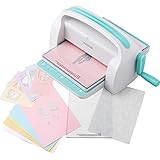
Overview: VEVOR’s 9-inch manual machine positions itself as a professional-grade starter system for serious crafters. With A4 compatibility, it accommodates larger projects while the comprehensive included kit eliminates guesswork for beginners. The foldable design balances capability with storage convenience, making it suitable for dedicated hobbyists ready to explore diverse creative avenues.
What Makes It Stand Out: This machine’s versatility shines through its ability to cut diverse materials beyond paper—including felt, fabric, leather, and thin metal. The steel roller system and metal handle ensure consistent, precise pressure across countless projects. The all-in-one starter kit provides immediate creative freedom with embossing pads, plates, an A6 folder, cutting pads, six cutting dies, and ten A5 cardstocks, removing barriers to entry.
Value for Money: While pricier than basic 6-inch models, the included accessories justify the cost premium. Purchasing dies, folders, and plates separately would easily exceed $50-70. The durable metal construction promises years of service, making this a long-term investment rather than a disposable starter tool that users outgrow quickly.
Strengths and Weaknesses: Strengths include impressive material versatility, A4 capacity, robust steel components, and a truly complete starter package. The foldable design aids storage despite its larger working size. Weaknesses include a bigger footprint than compact models and potential overkill for casual hobbyists who only cut paper occasionally. The weight may reduce true portability for crafting on-the-go.
Bottom Line: Ideal for committed beginners seeking professional capabilities without electrical complexity. The material versatility and comprehensive kit make it a workspace centerpiece for ambitious crafters ready to explore multiple mediums from day one.
3. CraftGenes Manual Die Cutting Machine and Embossing Machine, 9’’ Opening Size for Cardmaking, Scrapbooking, and DIY Crafts – Foldable Complete Set with A4 Die Cuts, Embossing Folders, and Plates(Pink)

Overview: CraftGenes delivers a space-conscious 9-inch manual machine targeting organized crafters. The foldable side panels address storage challenges in small workspaces while maintaining A4 capability. Its pink color scheme and ABS construction create a lightweight yet functional crafting tool for cardmaking and scrapbooking enthusiasts who prioritize efficiency and workspace management.
What Makes It Stand Out: The innovative foldable side panel design reduces storage space by approximately 40% when collapsed, a boon for apartment dwellers. The manufacturer provides unusually detailed operational instructions, specifying exact plate positioning (including the critical “put embossing folder back 1 cm” tip) that prevents common beginner mistakes. Manual operation ensures consistent pressure without electricity or battery concerns.
Value for Money: Mid-range pricing reflects the space-saving engineering and included accessories. While ABS construction costs less than all-metal alternatives, the durability remains adequate for regular paper crafting. The included plates and folders provide immediate usability, though die variety may be limited compared to premium kits requiring separate purchases.
Strengths and Weaknesses: Strengths include brilliant space-saving design, portability, clear instructions, and A4 versatility. The manual crank suits all ages and skill levels. Weaknesses involve ABS material potentially cracking under heavy use, the feminine pink color limiting universal appeal, and less robust construction than steel competitors. Maximum pressure may lag behind metal-framed models for very intricate dies.
Bottom Line: Perfect for space-challenged crafters needing full A4 capability. The foldable design justifies minor performance compromises, making it an excellent choice for organized hobbyists prioritizing storage efficiency without sacrificing project size potential.
4. Find Scrapblooms Manual Die Cutting Machine,Embossing Machine for Card Making Crafting, 6" Openning(Gift Box)
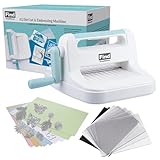
Overview: Find Scrapblooms packages its 6-inch manual machine as a gift-ready complete starter system. Targeting absolute beginners, it includes everything needed for immediate crafting: cardstock, die sets, clear stamps, embossing folders, and all necessary plates. The blue-and-white aesthetic enhances its presentational appeal while maintaining professional functionality for card making and scrapbooking projects.
What Makes It Stand Out: The inclusion of clear stamps alongside dies and folders creates a truly comprehensive introduction to paper crafting that competitors rarely match. Gift box packaging eliminates wrapping concerns and creates an impressive unboxing experience. The ABS exterior with carbon steel internal components balances durability with lightweight portability, while the steel roll system delivers adequate pressure for standard materials.
Value for Money: Exceptional value for gift-givers and beginners wanting zero additional purchases. The bundled accessories (10 cardstock sheets, 2 die sets, 1 stamp set, 2 folders, multiple plates) would cost $30-40 separately. This represents a complete crafting station at a starter-machine price point, removing all financial barriers to immediate creativity.
Strengths and Weaknesses: Strengths include comprehensive accessory bundle, attractive gift packaging, portable design, and durable hybrid construction. The 6-inch width handles A5 comfortably for most card projects. Weaknesses involve limited size capacity restricting larger layouts, potential quality compromises in bundled accessories compared to premium separate purchases, and manual operation requiring consistent hand-cranking effort.
Bottom Line: The ultimate gift for aspiring crafters. It removes all barriers to entry by including every necessary component, making it perfect for birthdays, holidays, or self-starters wanting instant gratification without multiple shopping trips or compatibility research.
5. Joelver Maker Manual Die Cutting Machine,9" Openning, Scrapbooking Machine Starter kit

Overview: Joelver Maker’s 9-inch manual machine targets die-cutting enthusiasts with a focus on variety and durability. The starter kit emphasizes die diversity with 20+ professional-quality steel dies, positioning itself as a specialized tool for serious scrapbookers. The foldable design maintains portability despite its expanded capabilities and robust steel construction that withstands frequent use.
What Makes It Stand Out: The sheer volume and professional quality of included dies immediately set this apart from competitors offering only basic shapes. Precision-crafted steel components ensure clean, consistent cuts through countless projects without degradation. The 9-inch opening accommodates most commercial embossing folders and dies, providing future-proof versatility as users expand their collections beyond the generous starter set.
Value for Money: Strong value proposition for die enthusiasts, as quality steel dies typically cost $3-8 each individually. The 20+ included dies represent $60-160 in value alone. While embossing folder variety may be limited, the die focus serves scrapbookers prioritizing cut shapes over textured backgrounds, making every dollar count toward primary creative needs rather than superfluous extras.
Strengths and Weaknesses: Strengths include extensive die collection, durable steel construction, foldable portability, and 9-inch capacity. The manual operation remains reliable and simple for all skill levels. Weaknesses involve potentially fewer embossing folders than comprehensive kits, limited cardstock inclusion, and the need to purchase additional plates for specialized techniques. Brand recognition lags behind established competitors in the crafting space.
Bottom Line: Best suited for scrapbookers and cardmakers whose primary need is diverse die cuts. The extensive die library and robust construction make it a specialized workhorse for shape-focused crafting projects where cutting variety trumps embossing options, offering professional capabilities at a hobbyist price point.
6. VEVOR Leather Cutting Machine, 10.2 x 5.9 in Embossing Plate Manual Die Cutter, 0.47 in Pressure Stroke Leather Embossing Machine, Dual Guide Shafts Die Cut Machine for Various of Materials

Overview: The VEVOR Leather Cutting Machine is a heavy-duty manual press built for serious crafters and small-scale manufacturers. With a massive 3,306-pound load capacity and a spacious 10.2" x 5.9" embossing plate, it handles leather, PVC foam, rubber, and medium-soft materials with industrial-grade force. The adjustable 12mm stroke and dual guide shafts provide precision control for diverse project thicknesses.
What Makes It Stand Out: This machine’s manganese steel base and high-strength roller bearings deliver professional-level pressure that consumer craft machines simply cannot match. The limiting screws that secure the handle prevent dangerous rebound, a critical safety feature absent in lighter models. Its black oxide coating resists rust and corrosion, ensuring longevity in demanding workshop environments. The versatility to emboss, cut, and press across multiple material types makes it a true multi-functional workhorse.
Value for Money: Priced significantly higher than craft-store alternatives, this machine justifies its cost through durability and capability. While a Sizzix Big Shot retails around $80-120, the VEVOR’s construction rivals equipment costing three times as much. For leatherworkers producing goods for sale, the investment pays for itself by eliminating outsourcing costs and enabling complex designs impossible with consumer machines.
Strengths and Weaknesses: Strengths: Unmatched pressure capacity; exceptional material versatility; robust safety features; corrosion-resistant construction; large work area. Weaknesses: Considerable weight and footprint make it non-portable; steeper learning curve for beginners; higher initial investment; overkill for casual paper crafters.
Bottom Line: This is a professional-grade tool for dedicated leatherworkers and serious makers. If you’re cutting thin paper occasionally, look elsewhere. For those needing industrial pressure and multi-material capability in a compact manual press, the VEVOR delivers exceptional performance and durability that justifies every penny.
7. Sizzix 660200 Big Shot Manual Die, 6 Inches
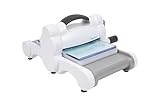
Overview: The Sizzix Big Shot is the gold standard manual die-cutting and embossing machine for paper crafters. With its iconic A5-sized 6-inch opening, it accommodates the entire Sizzix library of dies (excluding Plus/Pro sizes). The included multipurpose platform and pair of cutting pads provide everything needed to start creating immediately, from scrapbook pages to fashion embellishments.
What Makes It Stand Out: Sizzix’s engineering excellence shines through its perfect pressure calibration, delivering clean cuts through cardstock, felt, cork, and balsa wood without requiring excessive force. The multipurpose platform’s clear labeling eliminates guesswork in plate stacking, a common frustration with generic machines. Its compatibility with hundreds of existing dies protects your investment, while the robust steel rollers ensure consistent performance across thousands of uses.
Value for Money: At approximately $80-120, the Big Shot sits in the sweet spot between flimsy budget machines and expensive electronic cutters. Generic alternatives may cost $30-50 less but lack Sizzix’s proven durability and brand ecosystem. The included accessories alone represent a $25 value, making the package price reasonable for the quality and compatibility you receive.
Strengths and Weaknesses: Strengths: Proven reliability; extensive die compatibility; excellent pressure consistency; clear operation instructions; strong brand support and community. Weaknesses: 6-inch width limits larger projects; manual operation requires physical effort; cutting pads wear and require replacement; not suitable for thick leather or industrial materials.
Bottom Line: For paper crafters seeking a dependable, versatile workhorse, the Big Shot remains unbeatable. It balances affordability, performance, and ecosystem access perfectly. While not industrial-grade, its consistent results and massive die library make it the smartest choice for scrapbooking, cardmaking, and home crafting projects.
8. CraftGenes Manual Die Cutting Machine, Embossing Machine 6’’ Opening Size for Cardmaking, Scrapbooking, and DIY Crafts – Complete Set with A5 Die Cuts, Embossing Folders, Plates, Clear Stamps

Overview: The CraftGenes manual die cutting machine positions itself as a complete starter kit for paper crafting enthusiasts. This 6-inch opening machine arrives ready-to-use with 10 cardstock sheets, 2 die sets, clear stamps, 2 embossing folders, and a full complement of cutting plates. Constructed from durable ABS plastic, it targets beginners seeking immediate creative gratification without additional purchases.
What Makes It Stand Out: The comprehensive accessory bundle eliminates the hidden costs that plague new crafters. Detailed plate stacking formulas (13mm + 3mm + paper + folder + 3mm for embossing) remove the trial-and-error frustration common with manual machines. Its lightweight ABS construction makes it genuinely portable for crafting groups or travel, while the manual hand crank provides tactile pressure control impossible with automated units.
Value for Money: This package typically retails for $60-80, representing significant savings versus buying machine and accessories separately. Comparable starter bundles from major brands cost $100+, making CraftGenes an attractive budget option. However, the ABS construction suggests shorter lifespan than metal machines, potentially requiring replacement sooner for heavy users.
Strengths and Weaknesses: Strengths: Exceptional accessory bundle; clear operational instructions; lightweight portability; immediate out-of-box creativity; affordable entry point. Weaknesses: ABS plastic less durable than metal; 6-inch size limits project scope; unknown brand longevity; cutting precision may vary with thicker materials; plate wear will require eventual replacement.
Bottom Line: Perfect for beginners testing the waters of die cutting and embossing. The all-in-one kit provides tremendous initial value, though serious crafters may outgrow its capabilities. If you’re making occasional cards and scrapbook pages, this delivers everything needed. For daily use or thicker materials, invest in a metal machine instead.
9. CraftGenes Die Cutting Machine and Embossing Machine – 6’’ Opening Size for Cardmaking, Scrapbooking, and DIY Crafts – Complete Set with A5 Die Cuts, Embossing Folders, and Plates(Pink)

Overview: This pink variant of the CraftGenes die cutting machine delivers identical functionality to its standard version but adds aesthetic appeal for color-conscious crafters. The 6-inch manual machine targets the same beginner-to-intermediate paper crafting market, offering a complete kit with dies, embossing folders, clear stamps, and multiple cutting plates. The cheerful pink ABS housing maintains the same lightweight portability and operational simplicity.
What Makes It Stand Out: Beyond the vibrant colorway, this machine excels as a turnkey creative solution. The included 10 colorful cardstock sheets coordinate with the pink aesthetic, making it an attractive gift option. The identical plate stacking system (13mm base + material + 3mm top) ensures foolproof operation, while the manual crank’s smooth action provides consistent pressure control. Its compact footprint stores easily in craft rooms where space is premium.
Value for Money: Matching its sibling’s $60-80 price point, the pink version charges no premium for the aesthetic upgrade. This represents excellent value for style-minded crafters who would otherwise purchase decorative accessories separately. The complete kit still saves approximately $40 versus piecing together components from scratch, though the ABS construction remains the trade-off for affordability.
Strengths and Weaknesses: Strengths: Attractive pink design; comprehensive accessory package; lightweight and portable; simple operation; great gift potential. Weaknesses: Plastic construction limits durability; 6-inch width restricts project size; color may not suit all users; performance varies with heavy materials; brand support uncertain.
Bottom Line: Functionally identical to the standard CraftGenes model, choose this version purely for personal style preference. It remains an outstanding value for entry-level crafters, particularly as a gift for younger makers or those who prioritize aesthetics. For heavy use, consider metal alternatives, but for occasional pretty-in-pink crafting, it delivers solid performance.
10. Manual Die Cutting & Embossing Machine, Hand Embossing Machine for DIY,Portable Cut Machines,for Arts & Crafts, Scrapbooking, Photo Album Decorative, Card Making and DIY Crafting

Overview: This generic manual die cutting machine targets ultra-portable crafting with a compact design accepting 3x4-inch dies. Marketed as a DIY solution for paper crafts, it claims versatility across paper, fabric, leather, and even metal plate—though specifications suggest it’s optimized for 80-250gsm paper. The anti-skid bottom cushion and external suction system aim to stabilize its lightweight frame during operation.
What Makes It Stand Out: The extreme portability and minimal footprint make this ideal for crafters with severe space constraints. Its simplified design focuses purely on essential function, eliminating complex platforms in favor of basic plate stacking. The anti-skid system demonstrates thoughtful engineering for a budget device, attempting to overcome stability issues common in lightweight machines. The 3x4-inch die compatibility suits small, intricate designs perfect for cardmaking and photo albums.
Value for Money: Typically priced under $50, this represents the entry-level threshold for die cutting. While significantly cheaper than brand-name alternatives, the “you get what you pay for” adage applies. For hobbyists creating occasional greeting cards, the value is undeniable. However, the lack of brand support, unspecified material quality, and ambitious material claims (metal plate?) suggest potential disappointment for demanding users.
Strengths and Weaknesses: Strengths: Extremely affordable; highly portable; simple operation; compact storage; adequate for light paper projects. Weaknesses: Unbranded with no support; questionable durability; limited 3x4" die size; exaggerated material claims; inconsistent pressure distribution; suction system may fail on uneven surfaces.
Bottom Line: A tentative recommendation for absolute beginners on razor-thin budgets who only cut occasional paper projects. The low risk of investment makes it experiment-friendly, but manage expectations regarding longevity and material versatility. For anything beyond light cardstock, save for a reputable brand. This is a disposable gateway tool, not a long-term crafting companion.
Why Manual Die Cutting Machines Are Perfect for Student Crafters
Manual machines strip away the complexity of digital cutters—no software updates, Bluetooth pairing, or design subscriptions required. You simply crank a handle and let physics do the work. For students, this means zero learning curve during finals week and no reliance on campus Wi-Fi that crawls at 2 AM. These machines reward experimentation; you can test a design on scrap paper in seconds rather than waiting for a blade to trace a digital path. Plus, they’re inherently social—perfect for craft nights in common rooms where everyone can pitch in without needing to download an app.
Understanding the $100 Budget Sweet Spot for Students
The sub-$100 category has matured significantly, shifting from flimsy plastic mechanisms to surprisingly robust steel-roller systems. At this price point, you’re not paying for brand prestige or unnecessary digital integrations. Instead, manufacturers focus on core functionality: reliable pressure, decent platform sizes, and compatibility with third-party dies. For students, this means accessing a tool that handles 90% of typical projects—greeting cards, planner decorations, classroom aids—without financing it like a textbook. The key is recognizing which corners are acceptably cut (simpler packaging, fewer included dies) versus which compromises signal a machine that’ll crack under pressure.
Key Features That Define Quality in Budget Machines
Cutting Mechanism Types: Lever vs. Crank
Budget machines typically offer two operation styles. Lever systems require you to press down on a handle, using your body weight to generate force. They’re compact and excellent for thin materials but can strain your wrist during marathon crafting sessions. Crank systems, where you turn a handle to feed plates through rollers, distribute effort more evenly and handle thicker material stacks. For students producing bulk projects (like 30 identical bookmarks for classmates), a crank design prevents fatigue. Look for machines with metal gears inside the housing—plastic gears strip easily and render the tool useless.
Platform Size and Your Project Scope
Platform dimensions directly impact what you can create. Machines under $100 typically offer cutting widths between 3 and 6 inches. A 3-inch platform suits pocket-sized projects and travel-friendly setups but limits you to smaller dies. A 6-inch platform handles standard A6 cards and larger decorative elements, giving you more versatility for school presentations or art assignments. Consider your typical output: if you’re crafting primarily for personal planners, smaller works; if you’re creating visual aids for teaching practicums, prioritize width.
Material Compatibility Beyond Paper
Don’t assume every budget machine tackles the same materials. The pressure mechanism determines whether you can cut thin balsa wood for architecture models, craft foam for cosplay prototypes, or multiple layers of felt for plush keychains. Machines in this category generally excel at cardstock up to 220 gsm and single layers of thin fabric. Anything beyond that requires specific pressure settings or metal-shim techniques. Test the machine’s muscle by asking retailers about its “maximum cutting height”—this spec reveals whether it can handle stacked materials or thicker substrates.
Essential Components Every Student Should Evaluate
Cutting Plates: The Unsung Heroes
Those clear acrylic plates aren’t just accessories; they’re consumables that directly impact performance. Quality machines include plates made from polycarbonate rather than standard acrylic, resisting warping and cracking longer. Check plate thickness—thicker plates (around 3mm) distribute pressure more evenly but add weight. Some budget models come with only one plate, forcing you to buy a second immediately for proper sandwiching. Factor this hidden cost into your budget. Also, inspect how plates fit into the machine; loose plates wobble and create uneven cuts, while overly tight fits strain the mechanism.
Build Materials: Plastic vs. Metal Frames
The machine’s chassis material predicts its lifespan. All-plastic bodies keep costs and weight down but flex under pressure, eventually developing stress fractures near screw points. Metal-reinforced frames—particularly those with steel side panels and internal support beams—maintain alignment and withstand the torque generated during cutting. You don’t need an all-metal tank, but look for machines where critical stress points (handle base, roller housing) incorporate metal. A quick test: gently press on the sides of the machine in-store; excessive give indicates a frame that’ll misalign over time.
Included Accessories and Starter Kits
Manufacturers lure students with “starter kits” that sometimes include value and sometimes add bulk. Focus on kits providing a basic cutting mat, one versatile die (like a standard shape set), and a small selection of cardstock. Avoid machines bundling dozens of proprietary dies you’ll never use—they inflate the price and lock you into one ecosystem. The most valuable inclusion? A multi-purpose platform or shim set that expands material compatibility without requiring separate purchases. These adapters future-proof your machine as your skills evolve.
Space-Saving Design Considerations for Dorm Rooms
Your crafting station is likely a corner of your desk or a fold-out tray. Manual machines under $100 now come in surprisingly compact footprints, some as small as a textbook. Look for models with integrated storage—handles that double as die holders, or base compartments for plates. Consider vertical orientation; some machines operate upright and store flat, sliding under beds when not in use. Check the handle design: removable or fold-flat handles reduce storage height by several inches, crucial when every cubic foot counts. Measure your intended storage spot before shopping, accounting for plate storage too.
Weight and Portability Factors for Mobile Students
If you’re moving between dorm, home, and studio spaces, weight matters immensely. Budget machines range from 2 to 8 pounds. Lighter models use more plastic, trading durability for portability. Heavier units stay put during operation but become a burden in a backpack. The sweet spot for mobile students is 4-5 pounds, offering stability without breaking your shoulders. Also examine the handle’s ergonomics—padded grips prevent hand cramps during transport, and recessed designs keep the profile slim. Some students even keep a lightweight machine in their car for on-location crafting at events or group study sessions.
Safety Features That Matter in Shared Living Spaces
Operating machinery in a dorm demands extra caution. Quality budget machines include non-slip base pads that grip desks without damaging surfaces—essential when you can’t afford to lose your security deposit. Look for enclosed gear mechanisms; exposed cogs can snag long hair or loose clothing. Some models feature automatic pressure release if the mechanism jams, preventing you from forcing the handle and causing injury. If you have curious roommates or frequent visitors, consider machines with locking handles or storage latches that keep plates secured when not in use, reducing the risk of someone grabbing a sharp die.
Material Versatility: What Can You Actually Cut?
Paper and Cardstock Capabilities
Every machine in this category handles printer paper and standard 65 lb cardstock. The differentiator is performance on heavy watercolor paper (up to 140 lb) or textured cardstock. Machines with steel rollers and adjustable pressure settings maintain clean edges on these demanding materials without tearing. Test by running a scrap of your preferred paper through; look for crisp, burr-free cuts and easy die release. If you’re into junk journaling, ensure the machine can handle laminated ephemera or waxed paper—these slick surfaces sometimes slip in lower-quality rollers.
Fabric and Felt for Mixed Media Projects
Budget machines can cut fabric, but success depends on preparation. You’ll need adhesive stabilizer or freezer paper backing to prevent fraying and ensure clean cuts. Machines with higher pressure settings handle thin cotton and felt sheets for appliqué projects. Don’t expect to cut multiple layers or thick wool felt—those tasks require industrial pressure. For fashion design students creating mock-ups, a manual machine speeds up pattern piece creation for thin muslin. Always test on scraps first; some fabrics stretch during cutting, distorting shapes.
Limitations to Keep in Mind
Be realistic: sub-$100 machines won’t cut leather, thick chipboard, or metal sheets. Attempting these materials damages rollers and voids warranties. They also struggle with intricate dies featuring tiny, delicate cutouts—the pressure isn’t fine-tuned enough to release these pieces cleanly. Stick to designs with cuts no smaller than 1/8 inch for best results. Also, continuous operation generates heat in plastic components, so give the machine a 10-minute break after 30 minutes of heavy use to prevent warping.
Die Compatibility: Understanding the Ecosystem
Standard vs. Proprietary Systems
The die cutting world splits into two camps: standard thin dies (roughly 1mm thick) and proprietary thick dies. Budget machines almost exclusively use standard thin dies, which is actually advantageous—they’re cheaper and widely available from countless brands. Avoid machines that only accept brand-specific dies; they limit your options and inflate long-term costs. Check the machine’s maximum die thickness in its specs; anything accepting dies up to 1.5mm gives you maximum flexibility for specialty shapes and nested designs.
Adapter Options for Expanded Creativity
Some machines include adapter pads that let you use embossing folders or deeper dies meant for other systems. These adapters are gold for students—they multiply your creative options without requiring a new machine. Look for “multi-purpose platforms” that adjust to different die heights via removable shims. This feature essentially future-proofs your purchase, allowing you to experiment with techniques like letterpress or texture embossing using inexpensive supplies from any craft store.
Maintenance and Longevity on a Student Budget
Cleaning Routines That Prevent Costly Repairs
Paper lint and adhesive residue build up on rollers and plates, reducing grip and cutting quality. Every 10 hours of use, wipe rollers with a dry microfiber cloth—never use water or solvents, which degrade rubber. Plates can be cleaned with gentle soap and water, but dry them immediately to prevent warping. Store plates flat, not leaning against walls, to maintain their shape. For machines with removable parts, check screw tightness monthly; vibration loosens them over time. A drop of thread-locking fluid on screw threads prevents this without permanent bonding.
Plate Warping Prevention Strategies
Warped plates create uneven pressure and ruined projects. Rotate your plates regularly—flip them end-to-end and top-to-bottom every few cuts to distribute wear evenly. If plates develop a noticeable curve, place them between two heavy books for 48 hours to flatten. Avoid cutting the same die in the exact same plate position repeatedly; this creates pressure dips. Some students keep two sets of plates, alternating them to extend lifespan. When plates become too scarred or warped, replace them promptly—using damaged plates stresses the machine’s rollers and can cause misalignment.
Common Student Project Ideas to Maximize Value
Stretch your investment by tackling projects that serve multiple purposes. Create custom flashcards for studying—cutting uniform shapes makes them durable and visually appealing. Design interactive notebook tabs that help organize lecture notes by subject. Produce stencils for art class assignments, allowing you to replicate patterns accurately. Make personalized gift tags and cards in bulk for holidays, saving money while building a portfolio of designs. For education majors, cut felt letters and numbers for hands-on classroom activities. Architecture students can quickly produce scale model windows and decorative elements from thin wood veneers. Each project builds skills while delivering tangible value beyond mere hobby crafting.
Where to Shop Smart: Retail vs. Second-Hand
Big-box craft stores offer student discounts—always ask and show your ID. They also run doorbuster sales where machines drop below $75, often bundled with store credit. Online marketplaces provide wider selection but check return policies; a machine that arrives damaged should be replaceable without hassle. Second-hand options abound on campus bulletin boards and crafting forums. When buying used, inspect the roller gears for cracks and test the handle’s smoothness. Ask the seller to demonstrate a cut. Avoid machines with stripped pressure adjustment knobs or plates that look like they’ve survived a war. Many students upgrade after graduation, selling gently-used machines at steep discounts—perfect for savvy buyers.
Warranty and Support: What to Expect at This Price Point
Budget machines typically include 90-day to 1-year limited warranties covering manufacturing defects. Read the fine print: most don’t cover normal wear items like plates or damage from cutting prohibited materials. Some brands offer extended warranties if you register online within 30 days—set a calendar reminder. Keep your receipt and original packaging; warranty claims often require photos of the defect plus proof of purchase. Student-friendly companies provide live chat support and video troubleshooting, invaluable when you’re troubleshooting at midnight before a project deadline. Check online reviews specifically mentioning warranty experiences; some brands are notorious for denying claims based on vague “improper use” clauses.
Setting Realistic Expectations: Pros and Cons
Every budget machine involves trade-offs. Pros: affordability, portability, no software learning curve, and immediate creative gratification. They’re quiet enough for late-night dorm sessions and don’t generate heat or fumes. Cons: limited pressure compared to premium models, plastic components that wear faster, and narrower platforms restricting project size. You’ll spend more time preparing material sandwiches and troubleshooting jams than with digital cutters. Accept that intricate lace dies might not cut perfectly every time, and that you’ll replace plates annually with heavy use. The goal isn’t perfection—it’s enabling consistent creativity within real-world constraints. A $75 machine that lasts two years of college is a smarter investment than a $300 model you’re afraid to scratch.
Frequently Asked Questions
Can I really get a decent die cutting machine for under $100, or am I just buying a toy?
Absolutely, you can get a legitimate tool. The key is focusing on machines with steel rollers and metal-reinforced frames. Many budget models cut the same materials as $200+ machines; you’re primarily sacrificing platform size, pressure consistency for extreme materials, and fancy branding. Read reviews from serious crafters, not just casual users, to separate workhorses from toys.
Will my university’s craft center have compatible dies I can borrow?
Most campus craft centers stock standard thin dies that work with any machine. However, proprietary dies from premium brands might not be available. Call ahead and ask about their die library’s compatibility. Some centers even rent out machines, letting you test different models before buying.
How loud are these machines? Will I disturb my roommate?
Manual machines produce a soft cranking or lever-pressing sound, typically under 50 decibels—quieter than a keyboard. The noise comes from the die cutting material, not the mechanism itself. Cutting thick chipboard creates more sound than paper, but it’s still dorm-friendly. For ultra-quiet operation, place a thick craft mat under the machine to absorb vibrations.
Can I use these machines for commercial projects, like selling stickers or cards?
Legally, yes, but practically, consider the volume. Manual machines are perfect for small-batch Etsy shops or campus market stalls. However, the physical effort and time per cut make large orders impractical. For commercial use, prioritize machines with replaceable parts and robust warranties, as you’ll wear them faster than hobby users.
What’s the learning curve like for absolute beginners?
Most students master basic operation within 30 minutes. The real learning involves material “sandwich” stacking—knowing which plates and shims to use for different dies and materials. Watch tutorial videos from the manufacturer and keep a cheat sheet of successful combinations. Your first five cuts should be on scrap paper to dial in the technique.
Are there any hidden costs beyond the machine itself?
Plan to spend an additional $20-30 on extra plates, a magnetic shim for intricate dies, and a die pick tool for releasing cut pieces. Replacement plates run $10-15 per set and need replacing every 6-12 months with regular use. Also factor in die costs; start with versatile shape sets rather than single designs.
How do I transport my machine safely between home and school?
Remove loose plates and dies, storing them in a separate padded bag. Wrap the machine in a towel or bubble wrap and place it in a sturdy box or dedicated craft tote. Keep it flat during transport to avoid stressing the frame. If flying, carry it on—checked baggage handling can crack plastic components.
Can I cut materials from recycling, like cereal boxes or coffee sleeves?
Yes, and this is a huge money-saver for students. Clean, dry cardboard up to 1mm thick cuts beautifully for sturdy tags and bases. Remove any tape or glue residue first, as these gum up dies. Wax-coated cups or milk cartons won’t cut cleanly, but plain chipboard packages work perfectly. Always test a small piece first.
What should I do if my machine starts making a grinding noise?
Stop immediately. Grinding indicates gear misalignment or debris in the rollers. Remove all plates and inspect the roller path for stuck paper bits. Check that plates aren’t warped and that you’re not exceeding the material thickness limit. If noise persists, contact support—continuing use can strip gears and void your warranty.
How can I tell if a die is compatible before buying it?
Check the die’s thickness with a ruler; it should be under 1.5mm for budget machines. Look for “universal” or “thin metal die” labeling. Avoid dies marked for “Big Shot Plus” or “Pro” machines unless your manual specifically includes adapter pads. When in doubt, buy one inexpensive test die from the brand you’re considering before investing in a full collection.