Table of Contents
Whether you’re a seasoned craftsperson, a DIY enthusiast, or a professional artist, the quest for stencil paper that balances affordability with precision feels like searching for a unicorn in a paper aisle. As we move through 2026, innovation in crafting materials has exploded, bringing once-premium features into budget-friendly territory. The truth is, you don’t need to empty your wallet to achieve crisp, intricate designs that transfer flawlessly onto any surface.
The stencil paper landscape has evolved dramatically, with new manufacturing techniques and material blends making high-detail work accessible to everyone. Understanding what separates bargain-bin disappointment from hidden gem status comes down to knowing which characteristics matter most for your specific projects. Let’s dive deep into the world of budget-friendly stencil materials that deliver professional-grade results without the premium price tag.
Top 10 Stencil Paper For Detail
Detailed Product Reviews
1. Tattoo Transfer Paper, Cridoz 35 Sheets Stencil Transfer Paper for Tattooing, A4 Size
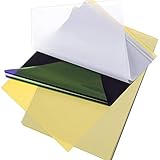
Overview: Cridoz delivers a 35-sheet A4 tattoo transfer paper kit designed for dual-method application via thermal copier or freehand tracing. The four-ply construction includes master sheet, protective tissue, carbon layer, and backing sheet, measuring 8.25" x 11.75". This product targets entry-level artists and apprentices seeking a straightforward, instructional approach to stencil creation without overwhelming bulk.
What Makes It Stand Out: The product excels in user guidance, providing explicit warm tips about applying pressure for at least three seconds and requiring separate stencil ointment. Its versatility allows artists to cut sheets into smaller sizes, maximizing material utility for varying design scales. The clear usage instructions make it particularly accessible for those still mastering transfer techniques.
Value for Money: With 35 sheets, this kit positions itself as a low-commitment entry point. The upfront cost appears economical, but the mandatory separate purchase of stencil ointment adds hidden expenses. For occasional users or apprentices practicing fundamentals, this prevents material waste, though professional studios will face frequent reordering, diminishing long-term value.
Strengths and Weaknesses: Strengths include versatile application methods, detailed instructional guidance, and customizable sizing that accommodates most design dimensions. The A4 format suits standard printer compatibility. Weaknesses are the limited sheet count, additional ointment costs, absence of material durability specifications, and no mention of body-contouring flexibility for complex anatomical placement.
Bottom Line: Cridoz suits beginners and occasional tattoo artists needing a basic, functional transfer paper without bulk investment. While not economical for high-volume studios, its instructional approach and flexibility make it an excellent learning tool for developing proper stencil application techniques.
2. Inkjet Stencils Tracing Paper - Ream of 500 Sheets

Overview: Inkjet Stencils Tracing Paper provides a massive 500-sheet ream engineered exclusively for the InkJet Stencils printing system. Custom-cut for desktop inkjet printers, this USA-made product eliminates jamming while delivering precise stencils. The ultra-thin, flexible construction conforms to complex body contours, enabling seamless transfers across hands, arms, sleeves, and other challenging anatomical areas.
What Makes It Stand Out: The extraordinary 500-sheet volume serves the busiest studios for months. Available in 8.5x11" and 8.5x14" sizes, it accommodates everything from flash sheets to half-sleeve designs. The dual-sided finish ensures zero sheet waste, while the specialized thinness excels on curved surfaces like fingers and shoulders where rigid papers fail.
Value for Money: The substantial initial investment yields exceptional per-sheet economy for high-throughput shops. Printing stencils in advance streamlines client sessions and reduces last-minute preparation stress. However, the requirement for Stencils-prep Spray and significant flat storage space adds operational overhead that smaller studios must consider.
Strengths and Weaknesses: Strengths include unparalleled bulk value, system-specific optimization, superior body-contouring flexibility, consistent printer performance, and American manufacturing quality. Weaknesses are exclusivity to InkJet Stencils systems, additional supply costs, substantial storage requirements, and no suitability for artists using thermal copiers or hand-tracing methods.
Bottom Line: This is the definitive choice for professional studios fully committed to the InkJet Stencils ecosystem. The bulk format and specialized design maximize efficiency for high-volume operations, making it a strategic business investment that pays dividends through workflow optimization and per-sheet savings.
3. MIUXIA Tattoo Transfer Paper 50 Sheets Tattoo Stencil Paper A4 Size 4 Layers DIY Tattoo Tracing Paper Tattoo Kit Tattoo Supplies

Overview: MIUXIA offers 50 sheets of standard A4 tattoo transfer paper featuring a four-layer construction for universal compatibility. Measuring 8.27" x 11.69", this lightweight, smooth paper functions with thermal copiers, standard printers, and hand-tracing techniques. The manufacturer explicitly targets both professional tattooists and drawing students, expanding its utility beyond pure tattoo applications.
What Makes It Stand Out: The standout feature is the no-questions-asked satisfaction guarantee with prompt resends, demonstrating exceptional product confidence. The ability to remove transfer mistakes using alcohol provides practical forgiveness for learning artists. Its multi-purpose design serves tattooing and general drawing practice, maximizing utility across creative disciplines.
Value for Money: Positioned as a mid-tier option, the 50-sheet quantity balances affordability with adequate supply for regular studio use. The guarantee eliminates purchase risk entirely, while versatile application methods maximize return on investment across different equipment types and skill levels. No mandatory additional supplies are mentioned.
Strengths and Weaknesses: Strengths include the risk-free guarantee, alcohol-wipe correction capability, high-quality carbon that resists fading and unwanted smudging, and broad printer/copier compatibility. The paper produces crisp, dark copies. Weaknesses are the lack of mention regarding body-contouring flexibility for complex placements and no guidance on printer optimization or storage best practices.
Bottom Line: MIUXIA excels for artists wanting quality assurance and error forgiveness. The guarantee makes it particularly attractive for beginners, while professionals appreciate the clean transfers and reliable performance. It’s a versatile, worry-free choice for diverse tattooing needs where confidence in purchase protection matters.
4. Emalla Tattoo Transfer Paper 100 Sheets, Thermal Stencil Paper for Tattooing A4 Professional Tracing with Crisp Transfer 4 Layer Stencil Paper 8.27" x 12" Tattoo Supplies for Studios & Beginners
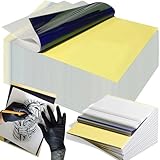
Overview: Emalla delivers professional-grade tattoo transfer paper in a substantial 100-sheet A4 pack measuring 8.27" x 12". The four-ply construction promises vibrant, high-definition transfers with a carbon layer engineered for sharp, smudge-resistant outlines. This package intentionally doubles typical 50-sheet quantities while maintaining professional standards suitable for both studios and beginners.
What Makes It Stand Out: The 100-sheet count provides exceptional value without quality compromise. The paper accommodates both thermal printer and hand-tracing methods with minimal pressure requirements. Optimized for intricate designs, it ensures crisp lines from initial sketch to final stencil, supporting artists across all skill levels with consistent, high-contrast results.
Value for Money: Offering twice the standard quantity at a competitive price point, Emalla significantly reduces per-sheet costs for active studios. The ability to cut sheets freely without transfer degradation maximizes material efficiency and design flexibility. This positions it as a cost-effective professional solution that doesn’t sacrifice quality for quantity.
Strengths and Weaknesses: Strengths include the generous sheet count, professional-grade crisp transfers, dual-method flexibility, and optimized four-layer construction. The slightly longer 12-inch length provides extra design space for larger compositions. Weaknesses include potential printer compatibility issues with the non-standard length and no mention of specialized coatings or enhanced body-contouring properties for difficult placements.
Bottom Line: Emalla strikes an impressive balance between professional quality and economic value. The 100-sheet pack serves busy studios and dedicated practitioners excellently, delivering consistent high-contrast transfers that satisfy both seasoned professionals developing complex pieces and beginners building foundational skills.
5. Tattoo Transfer Paper, 50 Sheets Tattoo Stencil Paper, Stencil Paper for Tattooing - A4 Size, 4 Layers Thermal Transfer Paper DIY Tattoo (50PCS)

Overview: BIOMASER provides 50 sheets of A4 tattoo stencil paper designed for DIY enthusiasts and professional artists. This four-layer thermal transfer paper measures 11" x 8.5" and supports both direct hand-drawing with pen or pencil and thermal copier transfer methods. The product emphasizes quality materials for creating clear, fade-resistant patterns while positioning itself as accessible for hobbyist experimentation.
What Makes It Stand Out: The manufacturer includes specific printer troubleshooting guidance, addressing common issues like messy lines and drum problems that plague thermal transfer systems. This practical support demonstrates deep understanding of real-world equipment challenges. The DIY-friendly branding encourages artistic experimentation for learners developing their stencil-making skills.
Value for Money: As a standard 50-sheet pack, it competes directly with mid-market options. The inclusion of maintenance tips adds intangible value by potentially reducing equipment service costs and downtime. However, the basic feature set offers no premium differentiators like body-contouring flexibility or satisfaction guarantees found in competing products.
Strengths and Weaknesses: Strengths include quality material construction, clear transfer results, dual usage methods, and valuable printer maintenance guidance that helps users resolve technical issues independently. The troubleshooting section shows customer-focused thinking. Weaknesses are potential compatibility issues with some thermal printers and lack of specialized features like enhanced flexibility or error-correction capabilities.
Bottom Line: BIOMASER serves as a reliable workhorse for artists comfortable with basic equipment maintenance. The troubleshooting guidance makes it particularly suitable for those setting up their first thermal transfer system, offering solid performance with practical operational insights that prevent common frustration points in DIY tattoo stencil creation.
6. Spirit® Classic Thermal Tattoo Stencil Transfer Paper, 8.5" X 14" - 100 Sheets, Certified Vegan, Proudly Made in the USA

Overview: Spirit Classic has been the tattoo industry’s gold standard since 1946, and this 100-sheet pack continues that legacy. These 8.5" x 14" thermal transfer sheets offer universal compatibility with all thermal and digital stencil printers, making them a versatile choice for any studio. The perforated backing sheet simplifies application, while certified vegan formulation and USA manufacturing ensure ethical, quality production that professionals demand.
What Makes It Stand Out: The Spirit name carries decades of professional trust unmatched by competitors. The perforated backing is a practical design touch that speeds up workflow, eliminating frustrating manual separation. The vegan certification appeals to ethically-minded artists and clients alike. Made in USA quality control means consistent, vivid transfers every time without the batch-to-batch variability that plagues cheaper imports.
Value for Money: At approximately $0.40-0.50 per sheet in this bulk pack, you’re paying for reliability. While pricier than generic brands, the consistency and professional results justify the premium. Fewer failed transfers mean less wasted time, ink, and client frustration. For busy studios, the time saved alone offsets the higher cost.
Strengths and Weaknesses: Pros include legendary reliability, universal printer compatibility, generous 100-sheet quantity, vivid dye quality, and thoughtful perforated design. Cons are the premium price point and larger Legal-size format that may require trimming for some equipment. The size can be either advantage or limitation depending on your printer.
Bottom Line: For professional tattoo artists who demand flawless, consistent stencil transfers and value time-tested quality, Spirit Classic remains the undisputed champion worth every penny of the investment.
7. Stencil Transfer Paper for Tattooing - 30 Sheets Temporary Tattoo Paper with Dashed Lines, 4 Layers A4 Size Thermal Stencil Paper for Tattoo Stencil Printer,Tattoo Kits & Supplies

Overview: This 30-sheet A4 thermal stencil paper offers a practical entry point for tattoo artists seeking versatility without bulk commitment. The four-layer construction includes a protective sheet, design layer, release layer, and yellow backing, working seamlessly with both thermal copiers and hand-drawn ballpoint pen applications. Dashed lines along the edges enable precise cutting, while thickened ink formulation promises rich, fade-resistant transfers that remain visible throughout lengthy sessions.
What Makes It Stand Out: The dashed cutting lines demonstrate thoughtful design for efficient studio use, reducing material waste. Its multifunctional capability extends beyond skin transfer to other artistic surfaces, making it surprisingly versatile for mixed-media artists. The thickened ink layer specifically addresses common complaints about faint transfers from budget papers, ensuring each design reproduces with rich, even saturation.
Value for Money: With fewer sheets per pack, the per-sheet cost runs higher than bulk options, but remains reasonable for beginners or part-time artists at roughly $0.60-0.70 per sheet. The quality upgrade over bargain brands is noticeable without reaching premium pricing, making it a smart intermediate investment.
Strengths and Weaknesses: Pros include clear, long-lasting transfers, dual application methods, convenient cutting guides, and compatibility with most transfer machines. Cons are the smaller 30-sheet quantity requiring frequent repurchase, requirement for separate stencil ointment, and the extra step of removing the protective layer before use which can slow workflow.
Bottom Line: An excellent mid-range choice for emerging artists or those wanting reliable performance without committing to large inventory, though professionals will prefer higher-volume packaging.
8. Tattoo Transfer Paper, 35 Sheets Tattoo Stencil Transfer Paper for Tattooing

Overview: This 35-sheet A4 tattoo transfer paper delivers fundamental functionality at an accessible price point for budget-conscious artists. The four-ply construction features a white master sheet, removable protective tissue, blue carbon page, and yellow backing, compatible with both thermal copiers and freehand drawing methods. The manufacturer emphasizes clear, clean transfer marks using quality dyes that maintain visibility throughout the tattooing process, while the sheets can be cut down for smaller designs or practice work.
What Makes It Stand Out: The straightforward, no-nonsense approach appeals to artists wanting simplicity without unnecessary frills or confusing features. The ability to cut sheets into smaller sizes provides flexibility for small designs, flash practice, or testing concepts. Its dual-method compatibility accommodates various artistic workflows, whether you prefer digital printing or traditional hand-tracing techniques.
Value for Money: Positioned as a budget-friendly option, the 35-sheet pack offers an affordable trial for artists new to thermal transfer or those with moderate stencil needs. However, at roughly $0.50-0.60 per sheet, frequent users will find better value in larger 100-sheet packs that drop the per-unit cost significantly.
Strengths and Weaknesses: Pros include clean transfer quality, versatile usage options, sheet customization capability, and alcohol-removable mistakes for easy corrections. Cons involve the limited sheet count requiring regular repurchase, necessity of purchasing separate transfer paste, and basic packaging that lacks professional presentation for studio display.
Bottom Line: A solid, economical choice for students, apprentices, or occasional tattoo artists prioritizing cost over bulk convenience, though established professionals should invest in larger quantities.
9. 100 Sheets Tattoo Transfer Paper A4 Size Tattoo Stencil Paper, 4 Layers Tattoo Stencil Paper for Tattooing,Thermal Stencil Paper for Tattoo,DIY Tattoo Tracing Paper, 8.5" x 11".

Overview: Offering 100 sheets of thermal transfer paper, this product targets high-volume tattoo artists seeking both quantity and quality for their studio operations. The four-layer system includes master, protective, carbon, and backing sheets, designed for compatibility with thermal copiers and hand-drawn applications. Notably, the manufacturer highlights specific compatibility with the Phomemo M08F tattoo printer, suggesting tailored optimization for increasingly popular portable printing equipment used by modern artists.
What Makes It Stand Out: The generous 100-sheet quantity eliminates frequent reordering for busy studios, reducing supply chain interruptions. Specific printer compatibility indicates thoughtful product development for emerging technology, while the ability to cut sheets into smaller sections maximizes material efficiency for varying design sizes, from small symbols to large back pieces.
Value for Money: Bulk pricing makes this among the most economical per-sheet options for professional-grade paper, typically under $0.35 per sheet. The combination of high sheet count and quality materials delivers compelling value for full-time artists who consume stencils rapidly during back-to-back appointments.
Strengths and Weaknesses: Pros include excellent bulk value, quality dye formulation, versatile application methods, and sheet customization. Cons feature potential size confusion (8.5" x 11" is US Letter, not true A4), and redundant feature descriptions in marketing that suggest copy-paste content rather than careful editing.
Bottom Line: Ideal for established studios wanting professional results at bulk pricing, despite minor specification inconsistencies that don’t affect performance.
10. 16 Pack 7.5mil Mylar Sheet, 12 X 12 Inch Translucent Blank Stencil Paper for Cricut Crafts Laser Cutting, Stencil Sheets Used for Making Letter Stencils, Flower Stencils, Star Wall Stencil

Overview: This 16-pack of 7.5mil Mylar sheets serves an entirely different purpose from tattoo transfer papers, targeting craft enthusiasts rather than tattoo professionals. Measuring 12" x 12", these translucent PET plastic sheets are designed for creating reusable stencils for Cricut cutting machines, painting, wall art, fabric design, and cookie decorating—not for tattoo stencil transfer to skin. The material is washable, heat-resistant, and intended for repetitive DIY projects.
What Makes It Stand Out: The substantial 7.5mil thickness provides durability unmatched by disposable transfer papers, allowing dozens of reuse cycles. Cricut compatibility and reusability make it economical for repetitive craft applications. The translucent quality aids precise alignment for multi-layer designs, a feature crafters value highly for complex projects.
Value for Money: For crafters, the reusable nature justifies the higher initial cost, effectively reducing the per-use price to pennies over time. However, for tattoo artists, this product offers zero value as it cannot transfer designs to skin and lacks the carbon layers necessary for stencil application.
Strengths and Weaknesses: Pros include exceptional durability, machine compatibility, versatility across craft disciplines, and environmental benefits of reuse. The sole but critical con: this is NOT tattoo transfer paper and will not work for skin stencil application, making it completely unsuitable for professional tattoo studios.
Bottom Line: Outstanding for craft enthusiasts needing durable, reusable stencils, but completely unsuitable and irrelevant for tattoo professionals seeking thermal transfer paper. Purchase only for DIY crafting purposes.
The Anatomy of High-Detail Stencil Paper
What Makes a Stencil “Detailed”?
Detail in stenciling isn’t just about how thin the lines are—it’s about material memory, edge retention, and transfer fidelity. When you’re working with intricate mandalas, fine typography, or complex geometric patterns, your stencil paper needs to hold its shape under pressure while releasing ink cleanly. The best affordable options achieve this through engineered fiber density rather than expensive coatings.
The Price-Quality Paradox in 2026
This year’s market has disrupted the old rule that cheap equals compromise. Manufacturers have streamlined production and embraced sustainable materials that happen to perform better than traditional options. You’re no longer paying for brand prestige; you’re paying for actual material science. Understanding this shift helps you spot value where others see only discount labels.
Material Composition: The Foundation of Performance
Synthetic vs. Natural Fibers: A Modern Reconsideration
The debate between Mylar-like synthetics and traditional cellulose papers has reached a fascinating middle ground. Hybrid papers now combine the best of both worlds—plant-based fibers reinforced with microscopic polymer strands. These create a stencil that cuts smoothly, cleans easily, and costs significantly less than pure polyester films. The key is identifying the right ratio: too much synthetic drives up cost, while too little compromises durability.
Weight Matters: GSM and Detail Correlation
Paper weight, measured in grams per square meter (GSM), directly impacts your ability to capture fine details. For precision work, you’ll want to target the 90-140 GSM sweet spot. Lighter papers buckle under repeated use, while heavier stocks can resist cutting tools, creating jagged edges. The magic happens in the mid-weight range where stability meets responsiveness.
Transparency Spectrum: Seeing Through the Options
Vellum Qualities Without the Premium
True vellum offers unparalleled transparency but commands premium prices. Modern alternatives achieve 70-80% of vellum’s clarity using optimized cellulose processing. These papers feature calibrated translucency—enough to see underlying designs clearly without the cost of traditional calfskin or high-grade parchment processing.
Working with Semi-Opaque Materials
Don’t dismiss slightly cloudy papers. When paired with the right light source (even a smartphone flashlight works), semi-opaque stencils can actually reduce eye strain during long cutting sessions. The slight diffusion softens harsh contrasts, making pencil lines more visible against complex base images.
Cutting Compatibility: Matching Paper to Tools
Hand-Cutting Excellence
For X-Acto knife enthusiasts, paper with a “self-healing” quality prevents fraying along cut lines. This doesn’t mean the paper repairs itself—it means the fibers compress rather than tear, maintaining clean edges for multiple uses. Look for papers described as having “tight grain structure” or “compressed fiber technology.”
Digital Cutting Machine Optimization
Cricut, Silhouette, and other digital cutters require papers with consistent density. Inconsistent sheets cause blade drag variations, ruining delicate details. Affordable options now include “machine-grade” batches—slightly imperfect sheets that perform identically to premium stock but cost 40% less due to minor cosmetic flaws.
Durability Factors: Getting More Uses Per Sheet
Washability and Reuse Cycles
The number of uses you can extract from a single sheet determines true cost-per-use. Papers with moisture-resistant sizing (the internal adhesive that binds fibers) can withstand gentle washing with mild soap. This extends life from single-use to 5-10 applications, effectively dropping the price per use below even the cheapest alternatives.
Abrasion Resistance in High-Contact Areas
Detail work often means repeated daubing or rolling over the same tiny spaces. Papers with reinforced surface sizing resist pilling and fiber lift. Test this by rubbing a damp finger vigorously on a sample—if the surface pills or fuzzes, it won’t hold fine details through multiple applications.
Ink Transfer and Bleed Prevention
Coating Technologies That Don’t Cost Extra
You don’t need expensive non-stick coatings to prevent bleed. Papers with proper internal sizing create a slight barrier that slows ink absorption just enough to prevent feathering. The secret is alkaline pH levels during manufacturing, which close the paper’s pores naturally. This process costs manufacturers less than chemical coatings and passes savings to you.
Surface Texture and Paint Release
Smooth isn’t always better. Micro-textured surfaces—often dismissed as lower quality—actually hold less paint on the stencil itself, releasing more onto your project. This creates cleaner edges and uses less material. The texture should feel like a high-thread-count sheet: smooth but with subtle grip.
Environmental Conditions and Storage
Humidity Resistance on a Budget
Nothing ruins detail work like a stencil that warps overnight. Affordable papers with moderate moisture content (typically 5-7%) resist curling in humid environments. Store them flat between rigid boards, not rolled in tubes. This simple practice makes even economy papers behave like premium stock.
Temperature Stability for Precision Work
Extreme temperatures cause expansion and contraction, distorting intricate designs. Papers manufactured with cross-directional fiber alignment resist this movement. You can identify these by gently flexing the sheet—if it bends equally in both directions without a “grain preference,” it’s engineered for stability.
Project-Specific Considerations
Fabric and Textile Applications
When stenciling fabric, you need flexibility without stretch. Papers that contain 10-15% synthetic content provide “give” that prevents cracking when the fabric moves, but not so much that they distort during cutting. The ideal budget option feels like heavy resume paper with a slight plastic undertone.
Wall and Large-Scale Murals
Large stencils face different stresses—gravity and weight. Here, affordability means finding papers that are thin enough to roll for transport but rigid enough to prevent sagging during application. Look for “architectural grade” or “sign-making” specifications in lower price tiers.
Fine Art and Archival Concerns
Even on a budget, archival quality matters for art you’ll sell or preserve. Papers with acid-free and lignin-free certifications don’t cost much more but prevent yellowing and brittleness. The key is verifying certifications rather than trusting marketing terms—look for specific ISO standards numbers.
Cost-Per-Use Analysis: The Real Math
Breaking Down Sheet Price vs. Project Value
A $2 sheet you use once costs more than a $5 sheet you use ten times. Calculate cost-per-use by estimating reuse potential based on your project’s demands. For high-detail work, durability often trumps initial price. A stencil that maintains crisp edges through five uses saves you cutting time and material waste.
Bulk Buying Strategies for Detail Workers
Purchasing by the ream rather than the sheet drops prices dramatically. Share costs with crafting groups or split a box with friends. Many suppliers offer “studio packs” of seconds or overruns—sheets with minor color variations or edge imperfections that don’t affect performance but slash prices by 50-60%.
Where to Find Hidden Value
Architectural and Engineering Supply Crossover
Drafting film and engineering papers, sold at office supply stores, often outperform craft-store stencil papers at lower prices. These are manufactured for precision and durability but lack craft-market branding. A 100-sheet pad of vellum tracing paper typically costs less than 20 sheets of branded stencil material.
Industrial and Packaging Material Adaptation
Food-grade parchment papers and certain packaging films meet surprising stencil requirements. These materials are manufactured in massive quantities, driving down costs while maintaining strict quality controls. Always verify they’re untreated and safe for your intended inks or paints.
Common Mistakes That Waste Money
Overbuying for Your Actual Needs
Investing in premium features you’ll never use is a classic budget blunder. If you only cut simple shapes, you don’t need laser-precision paper. Conversely, buying the cheapest option for photorealistic stencils guarantees frustration. Match the paper to your actual skill level and project complexity.
Ignoring Sample Programs
Many suppliers offer free or low-cost sample packs. Testing a 6x6" piece reveals more about performance than any review. This prevents costly bulk purchases of paper that doesn’t suit your cutting style or transfer method.
DIY Enhancement Techniques
Strengthening Budget Papers at Home
You can boost affordable papers with DIY sizing. A light spray of matte acrylic medium (diluted 3:1 with water) creates a washable, durable surface. Apply with a foam roller for even coverage. This transforms dollar-store tracing paper into reusable stencil material for pennies.
Creating Custom Transparency
For opaque papers, make a DIY lightbox using a clear plastic storage bin and string lights. This eliminates the need for expensive transparent stencil materials. The even illumination makes pencil lines visible through surprisingly dense papers, expanding your affordable options.
Future-Proofing Your Stencil Choice
Emerging Material Trends to Watch
Biodegradable synthetics and algae-based papers are entering the market at competitive prices. These materials offer unique properties—natural anti-static qualities and exceptional fiber strength—that make them ideal for detail work. Early adoption of these materials often comes with introductory pricing.
Digital Integration Considerations
As digital design tools become standard, papers that photograph well for cataloging your stencil library add hidden value. Slightly off-white tones reduce glare and show cut lines clearly in photos, creating a searchable digital archive of your designs without expensive scanning equipment.
Frequently Asked Questions
How can I test stencil paper quality before committing to a large purchase?
Request sample sheets and perform three tests: cut a 1-inch circle with an X-Acto knife to check for fraying, apply a drop of water to see if it beads or soaks in immediately, and gently stretch a corner to test fiber strength. Quality papers cut cleanly, show controlled water absorption, and resist tearing along the grain.
What’s the minimum GSM I should accept for detailed designs?
For fine lines under 2mm, don’t go below 90 GSM. At this weight, the paper maintains enough rigidity to prevent warping during paint application while remaining flexible enough for curved surfaces. Anything lighter will buckle and blur your details.
Are there any health concerns with affordable stencil papers?
Most modern papers are safe, but avoid any labeled “coated for inkjet” or “photo-grade” for stencil use—these contain chemicals that can release fumes when heated or sanded. Stick to papers marked “uncoated” or “natural finish.” If you’re burning through material with a laser cutter, ensure it’s laser-safe rated regardless of price.
How do I prevent bleeding when using budget-friendly papers?
The secret isn’t the paper—it’s the paint consistency. Thin your paint to heavy cream viscosity and use minimal pressure. Apply multiple light layers rather than one heavy coat. Even the cheapest paper performs well with proper technique. For extra insurance, a light dusting of spray adhesive on the stencil’s underside prevents seepage.
Can I really reuse affordable stencil paper, or is that just marketing?
Absolutely, but with realistic expectations. Papers in the 100-120 GSM range with internal sizing can typically survive 3-5 uses with water-based paints and gentle cleaning. Oil-based paints reduce this to 1-2 uses. The key is immediate cleaning and avoiding harsh scrubbing. Your cutting technique matters too—smooth cuts without tearing fibers extend lifespan dramatically.
What’s the best way to store stencil paper long-term?
Store flat between two pieces of rigid cardboard in a climate-controlled space. Avoid basements and attics where humidity fluctuates. For extra protection, place silica gel packets in the storage container. Never roll stencil paper for extended periods—this creates memory curves that distort your designs.
How does humidity affect different stencil paper types?
Natural fiber papers absorb moisture, expanding and warping designs. Synthetics resist humidity but can build static, attracting dust that blocks fine details. Hybrid papers offer the best balance. In humid climates, store papers with a dehumidifier nearby. In dry climates, a slightly damp sponge in a sealed container with your stencils prevents brittleness.
Is there a difference between tracing paper and stencil paper?
Tracing paper prioritizes transparency over durability, while stencil paper balances both. However, many tracing papers in the 90-110 GSM range perform excellently as stencils, especially for one-time uses. The difference is often branding and price point. Test tracing papers from architectural suppliers—you might find your new favorite stencil material.
How do I know if a paper is truly acid-free?
Look for specific certifications like ISO 9706 or ANSI Z39.48-1992, not just “acid-free” labels. True archival papers maintain pH levels between 7.5 and 10. You can test with pH pens available at art stores, but certified papers from reputable suppliers rarely misrepresent this crucial detail.
What’s the biggest mistake people make when choosing affordable stencil paper?
They prioritize transparency over structural integrity. A slightly opaque paper that cuts cleanly and holds its shape always outperforms a flimsy transparent sheet that tears during application. Focus on fiber density and internal sizing first—transparency can be managed with proper lighting techniques, but a weak structure ruins details every time.
See Also
- 10 Affordable Origami Paper Packs That Don’t Sacrifice Quality in 2026
- 10 Affordable Background Stamp Sets That Don’t Sacrifice Detail in 2026
- 10 Affordable Paper Cutting Scissors That Don’t Sacrifice Quality in 2026
- 10 Affordable Paper Punches That Don’t Sacrifice Precision in 2026
- 10 Affordable Quilling Paper Packs That Don’t Sacrifice Quality in 2026